art
Canvas Del Mar: A Comprehensive Guide to Understanding Its Many Facets

Published
2 days agoon
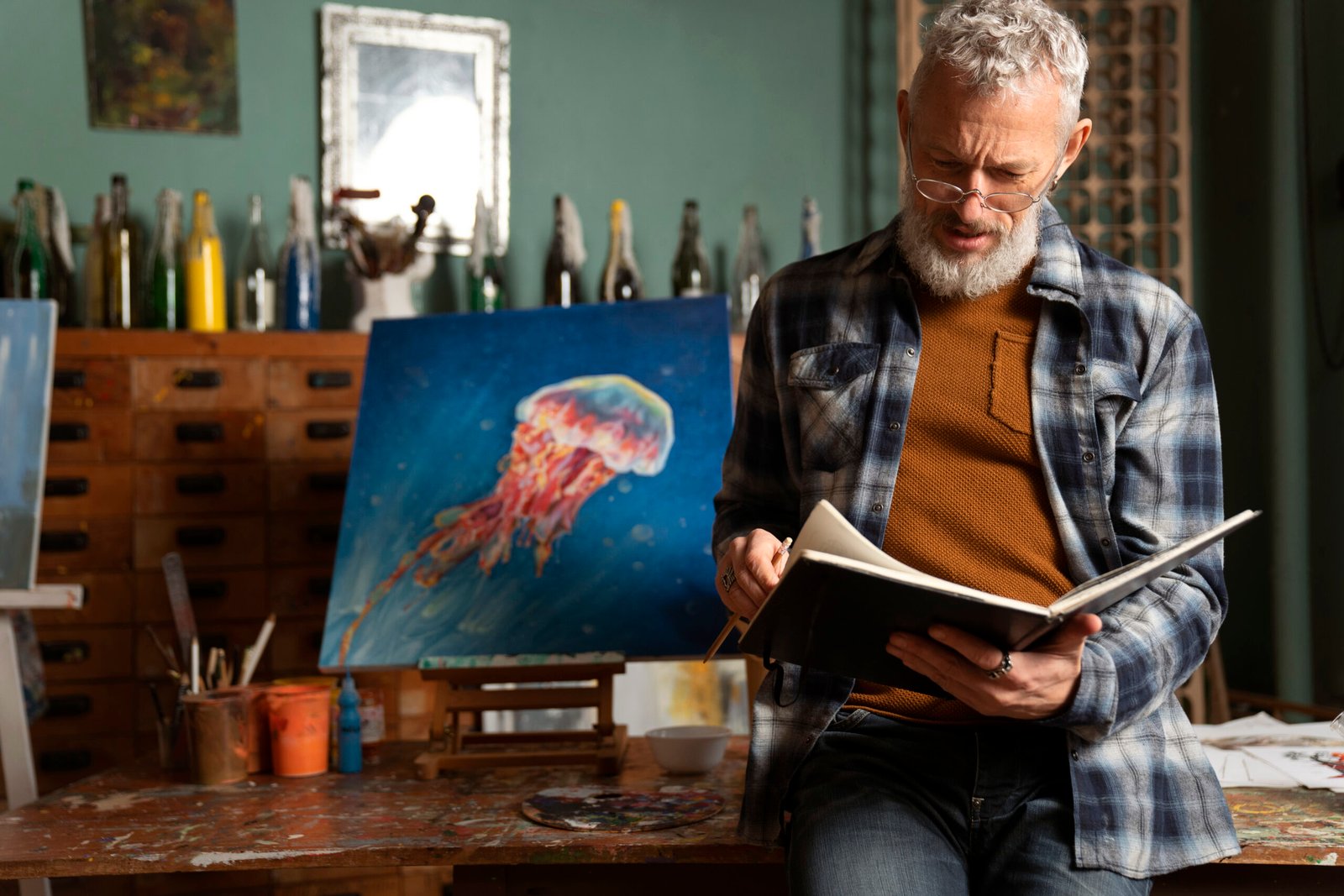
Table of Contents
ToggleIn the world of art, design, and education, few terms carry the versatility and intrigue of “Canvas Del Mar.” Whether you’re an artist seeking the perfect surface for your next masterpiece, an interior designer looking to elevate a space, an educator navigating digital learning platforms, or a crafter in search of durable materials, the phrase “Canvas Del Mar” represents a convergence of quality, creativity, and functionality. This article delves deep into the multifaceted world of Canvas Del Mar, exploring its significance across various domains. From the textured surfaces of premium art canvases to the robust fabric known for its durability, and even the essential digital tool used by educational institutions, we will leave no stone unturned . We will also spotlight specific products that bear the name, illustrating the rich tapestry of what “Canvas Del Mar” truly offers. By the end of this guide, you will have a complete understanding of why this term is synonymous with quality in its respective fields and how you can leverage its potential for your creative, educational, or practical projects.
Understanding the “Canvas” in Canvas Del Mar
The term “canvas” has evolved significantly from its origins as a heavy-duty fabric used for sails and tents. Today, it is most commonly associated with art and design. A “canvas” provides the foundation for artistic expression, offering a durable and receptive surface for paints, inks, and other media. When combined with “Del Mar,” the term takes on a specific identity, often associated with premium quality. For instance, the “Del Mar” canvas prints available from various retailers are celebrated for their ability to translate fluid motion, such as ocean currents, into striking contemporary compositions, using high-quality materials that ensure longevity and vibrant color . These are not simple prints; they are crafted with precision, often on a poly/cotton blend canvas with UV-resistant inks to prevent fading and maintain the artwork’s visual appeal over time . The term “Del Mar,” meaning “of the sea” in Spanish, often infuses these canvases with a coastal aesthetic, making them ideal for modern, beach-inspired, or nautical-themed interior designs. The combination of high-grade materials and inspiring subject matter makes Canvas Del Mar art pieces a trend-driven design statement that introduces calm energy and sophisticated depth into living spaces .
The Artistic Side: Canvas Del Mar in Home Decor and Art
When it comes to home decor, “Canvas Del Mar” often refers to high-end, visually captivating wall art that can transform a room. The “Delmar Framed Wall Art,” for example, is a hand-painted canvas artwork designed to highlight textural depth and contemporary interior styling . Its layered composition and multicolor palette create visual interest and artistic richness, making it a focal point in any setting. The craftsmanship involves using canvas with acrylic paint, supported by a wooden stretcher frame, which ensures the piece’s structural integrity and aesthetic appeal . Beyond these sophisticated pieces, the artistic interpretation of “Delmar” can take a more whimsical turn. An example is the “Delmar the Donkey Canvas Painting,” a hand-painted piece that captures the sweet face and curious charm of a donkey with bold, expressive brushstrokes . This demonstrates the versatility of the term, proving that it can encompass both high-art coastal abstractions and charming, personality-filled pieces perfect for a farmhouse or rustic decor . Whether one is looking for a sophisticated statement piece or a lighthearted addition to a gallery wall, the “Canvas Del Mar” brand of artistry caters to a wide range of tastes and aesthetics.
The Workhorse: Canvas Del Mar Fabric for Crafters
Beyond its identity as finished art, “Canvas Del Mar” represents a superior quality of raw material for crafters and makers. This is most notably seen in the solid cotton canvas fabric available in a spectrum of colors, including navy, charcoal grey, and chocolate . This 10 oz. cotton canvas is described as the “canvas of our dreams” by fabric retailers, and for good reason . Its durability, combined with a versatile hand, width, and weight, makes it suitable for a plethora of projects. Crafters can use this robust fabric to construct everything from sturdy tote bags and light home decor items to furniture covers, aprons, pants, overalls, and even bucket hats . The possibilities are nearly endless, allowing makers to unleash their creativity on a material that is both functional and aesthetically pleasing. With a width of 58 inches and a weight of 339 GSM (grams per square meter), this canvas provides ample coverage and a substantial feel, ensuring that finished products are both beautiful and built to last . The fabric’s care instructions are straightforward—machine wash cold and tumble dry low—making it a practical choice for everyday items .
The Digital Frontier: Canvas as a Learning Management System at Del Mar College
In a completely different context, “Canvas” and “Del Mar” converge in the field of education. “Canvas” is the name of the Learning Management System (LMS) used by Del Mar College (DMC) to deliver online, hybrid, and web-enhanced classes . This robust digital platform is the backbone of modern education at the college, enabling instructors to create and present online learning materials, manage assignments, and assess student learning, while also allowing students to engage in courses and receive crucial feedback . The system is integrated with the college’s administrative software, ensuring that information about users, courses, and enrollments is synchronized every two hours . This seamless integration helps ensure that both students and educators have a smooth, efficient experience . For students, “Canvas” at Del Mar College is the gateway to their education, providing a centralized location for course materials, discussions, quizzes, and grades. The college’s Office of eLearning is dedicated to supporting this system, providing resources like the “Getting Started with Canvas” course, training, and consultations for faculty to ensure effective online instruction . This “Canvas Del Mar” is less about physical materials and more about digital empowerment, providing the tools necessary for academic success in a modern, connected world .
Conclusion
As we have explored, the phrase “Canvas Del Mar” encapsulates a surprising and delightful breadth of meanings. For the artist and decorator, it is a mark of quality in art prints and hand-painted wall art that brings coastal elegance or whimsical character to a home . For the crafter, it is a durable, versatile cotton fabric that serves as the foundation for countless DIY projects, from fashion to home goods . And in the academic sphere, it is the digital backbone of Del Mar College’s online education system, a dynamic learning platform that connects students and educators . This common thread of quality, versatility, and purpose ties all these meanings together. Whether you are looking to adorn your walls with artistic expression, craft something with your own hands, or pursue a new academic goal, “Canvas Del Mar” provides the means to create, learn, and build. The term represents a modern intersection of art, craft, and technology, unified by a commitment to excellence. Understanding what “Canvas Del Mar” truly means in its various contexts allows you to fully appreciate and utilize the value it offers, ensuring that your next project or educational endeavor is built on a solid foundation .
Frequently Asked Questions (FAQ)
What are the most common meanings of “Canvas Del Mar”?
The term “Canvas Del Mar” has multiple common meanings. It can refer to high-quality art canvases and prints featuring coastal themes or abstract designs. It is also the name of a popular, durable 100% cotton canvas fabric used in crafting and upholstery. Additionally, it refers to the “Canvas” learning management system (LMS) used by Del Mar College for its online courses.
What is “Canvas Del Mar” as a piece of art?
“Canvas Del Mar” art typically describes a premium art print or hand-painted canvas. These pieces are often characterized by modern coastal aesthetics, such as abstract ocean currents or vibrant tropical scenes. They are usually printed on a high-quality poly/cotton blend canvas with UV-resistant inks to ensure the artwork remains vibrant and does not fade. The “Del Mar” in the name often indicates a connection to the sea, making it a popular choice for contemporary and beach-themed interior decor.
What type of fabric is Canvas Del Mar?
Canvas Del Mar fabric is a specific type of durable, 100% cotton canvas. It is known for its substantial weight of 10 oz. per square yard, making it a heavy-duty material. It is highly versatile and is used for making a wide array of items, including sturdy tote bags, aprons, furniture covers, pants, and home decor items. It is typically 58 inches wide and is available in solid colors like navy, charcoal grey, and chocolate.
What is “Canvas” in relation to Del Mar College?
In the context of Del Mar College, “Canvas” is the institution’s official Learning Management System (LMS). It is an online platform used by faculty and students to facilitate teaching and learning. Students use Canvas to access course materials, submit assignments, participate in discussions, and view their grades, while instructors use it to create content, assess students, and manage their courses.
How do I use Canvas for Del Mar College?
Students and faculty at Del Mar College can access Canvas by visiting the college’s Canvas login page. You will need to use your DMC credentials (username and password). Once logged in, you will be able to see your courses. If you are a student and cannot see a course, it may be because the course hasn’t been published by the instructor yet or it is not the first day of class. For technical support, you can contact the Viking Help Desk.
You may like
art
Ink Drawing: A Comprehensive Guide to Mastering the Art of Pen and Ink
Published
2 weeks agoon
July 13, 2026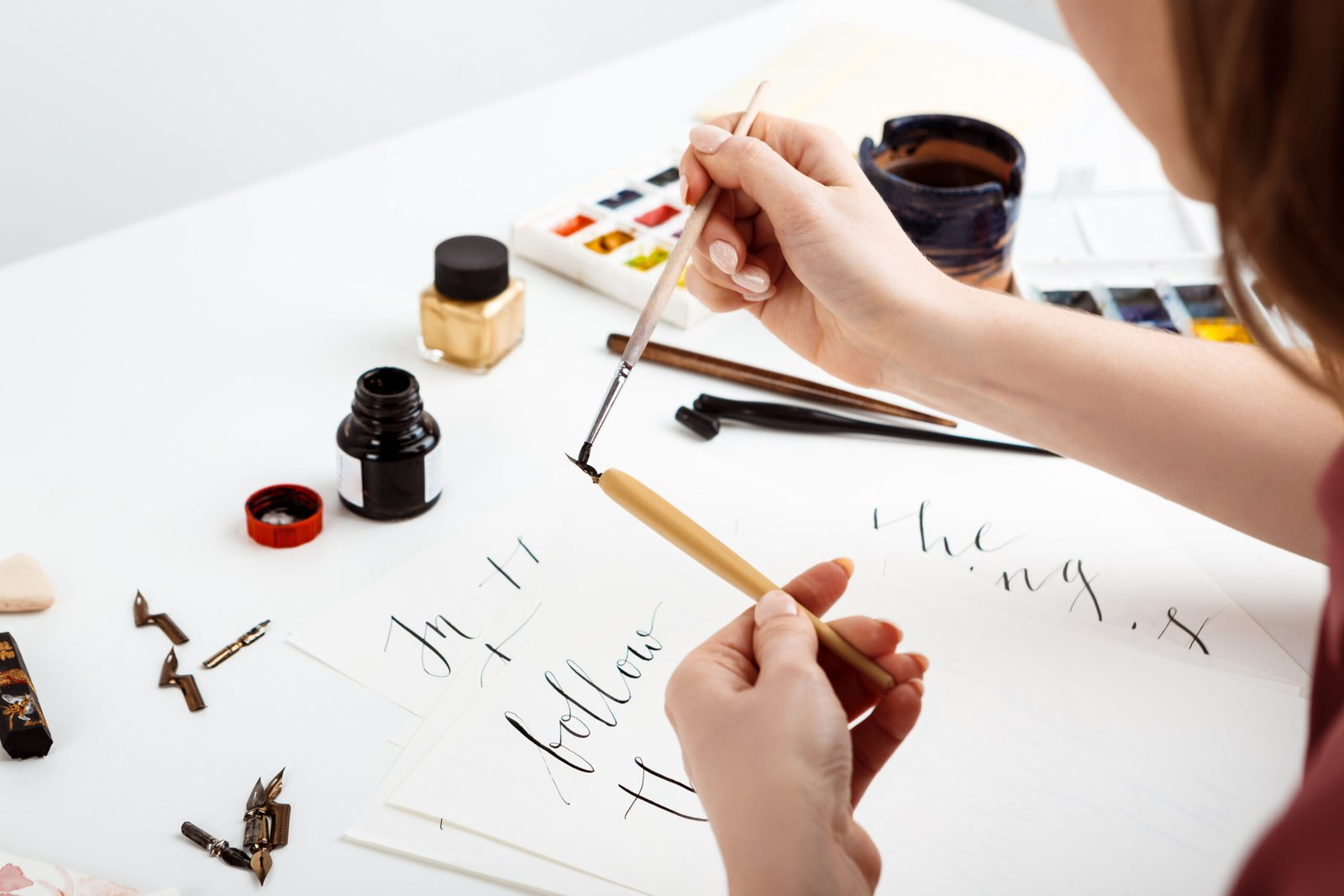
Table of Contents
ToggleIntroduction
Ink drawing represents one of the most fundamental and expressive forms of visual art, a medium that has captivated artists for centuries with its remarkable versatility and timeless appeal. From the delicate manuscript illuminations of medieval scribes to the bold, expressive strokes of Van Gogh’s reed pen drawings, ink has served as a primary vehicle for artistic expression across cultures and eras . Today, ink drawing continues to thrive, embraced by illustrators, fine artists, and hobbyists alike who appreciate its unique characteristics—the permanent, unyielding mark that demands confidence, the rich tonal possibilities achieved through hatching and cross-hatching, and the distinctive quality of line that no other medium can replicate. Whether you are a complete beginner seeking to explore this accessible art form or an experienced artist looking to refine your technique, understanding the materials, methods, and historical context of ink drawing will deepen your appreciation and enhance your creative practice. This comprehensive guide explores the essential tools, fundamental techniques, and creative possibilities of ink drawing, providing you with the knowledge and inspiration to begin your own journey with this enduring artistic medium.
The Historical Legacy of Ink Drawing
Ancient Origins and Evolution
The history of ink drawing stretches back millennia, with the earliest examples found in ancient Egyptian and Chinese cultures where carbon-based inks were developed for writing and illustration. The medium gained prominence in Western art during the medieval period when scribes used quill pens to create the intricate marginalia and decorated initials that adorned illuminated manuscripts . By the Renaissance, master artists had elevated ink drawing to a sophisticated art form, using it for preliminary studies, finished compositions, and everything in between. The development of iron gall ink—a chemical ink made from iron sulfate and gall nuts—became the standard writing and drawing ink for centuries, prized for its permanence and characteristic bluish-black color that aged to a warm brown .
Masters of the Medium
Throughout art history, countless masters have demonstrated the extraordinary range of ink drawing. Rembrandt van Rijn, perhaps the most celebrated exponent of the reed pen, created drawings of remarkable atmospheric depth and expressive power, often combining pen work with delicate washes to achieve rich tonal effects . Vincent van Gogh employed the reed pen in his later years to produce drawings characterized by bold, vigorous strokes that echoed the dynamic brushwork of his paintings. In the realm of architecture, ink played an indispensable role, used to create everything from simple construction plans to elaborate presentation drawings that served as persuasive sales documents and works of art in their own right . The architectural drawings of Benjamin Henry Latrobe and other early American architects demonstrate the medium’s capacity for both precise technical rendering and artistic expression .
The Modern Era and Contemporary Practice
The nineteenth century witnessed significant innovations in ink drawing, particularly with the development and mass production of steel pens in the 1830s by Englishman James Perry, which gradually supplanted traditional quill pens . Modern masters including Pablo Picasso, Henri Matisse, and Henry Moore demonstrated the enduring relevance of ink drawing in the twentieth century, employing steel pens to produce sharp, confident lines characteristic of modernist sensibilities . Today, ink drawing continues to evolve, with contemporary artists exploring new materials and approaches while building on the rich traditions established over centuries. The medium’s accessibility—requiring nothing more than a pen and paper—combined with its capacity for extraordinary detail and expressive power, ensures its continued popularity among artists at every level of experience .
Essential Tools and Materials for Ink Drawing
Types of Drawing Ink
Selecting the appropriate ink is fundamental to achieving your desired artistic effects. Historically, artists worked with three primary types of ink: carbon-based black ink (often called India ink or Chinese ink), iron gall ink, and bistre, a warm brown ink produced from boiled wood soot . Contemporary artists have access to a much wider range of options. Modern India ink, made from fine carbon particles suspended in a binder such as shellac or acrylic, dries to a waterproof, permanent black that is ideal for fine line work . Pigment-based inks offer excellent lightfastness, ensuring your artwork will not fade over time, while dye-based inks provide brilliant, vibrant colors but may be less permanent . Acrylic inks represent another popular option, slightly thicker than traditional drawing inks but similarly transparent and waterproof when dry . When choosing ink, consider whether you require waterproof properties—essential if you plan to apply washes or watercolor over your pen work—or if a water-soluble ink might better suit your needs, allowing for blending and manipulation after application .
Pens and Application Tools
The tool you choose to apply ink dramatically influences the character of your line work. Traditional quill pens, cut from the wing feathers of birds, offer exceptional flexibility and were the preferred tool of most Western master draftsmen until the nineteenth century . Reed pens, formed from bamboo-like grasses, produce blunt, powerful strokes and were famously employed by Rembrandt and, later, Van Gogh . Today, most artists work with metal dip pens, available in an extensive variety of nib shapes and degrees of flexibility. Drawing and mapping nibs are recommended for beginners, and it is important to prepare new nibs by briefly submerging them in boiling water to remove the protective wax coating that prevents ink flow . Fountain pens offer convenience and are suitable for sketchbook work, though they lack the versatility of dip pens. Brushes also play an essential role in ink drawing, particularly for applying washes and creating broad tonal areas; soft watercolor brushes, hake brushes, and Chinese brushes are all excellent choices . Bamboo pens, made from hollow dried bamboo sticks, create expressive, vibrant lines with characteristic variation and texture .
Paper and Surfaces
The surface you choose for ink drawing significantly affects both the process and final result. Paper is the most common support, but its characteristics—color, texture, and absorbency—all impact ink behavior. Heavily sized watercolor papers may feel scratchy under a pen but excel at crisp fine lines, while softer printmaking papers may cause ink to bleed or feather . For detailed work, many artists prefer the smooth surface of hot-pressed watercolor paper, which allows fine pens to glide across the surface without catching in the fibers . Cold-pressed (NOT) watercolor paper offers a versatile middle ground with a slight texture that adds interest without impeding fine line work. When selecting paper, consider its weight; a minimum of 170gsm is recommended to prevent ink from showing through to the reverse side, with heavier 250gsm paper suitable for water-soluble inks and washes . Some artists also work on gesso panels or canvas, which accept brush-applied ink beautifully, though these surfaces are less suitable for fine pen work .
Fundamental Techniques for Ink Drawing
Line and Mark Making
At its core, ink drawing is a linear medium that builds images primarily through the arrangement and quality of lines. Unlike pencil or charcoal, which allow for erasure and adjustment, ink marks are permanent, requiring confidence and deliberate intention. This permanence encourages a direct, decisive approach that is both challenging and liberating . Mastery of line involves understanding how variations in pressure, speed, and tool angle affect the mark produced. A quill pen responds to pressure, allowing the artist to vary line width within a single stroke, while a steel pen produces more consistent lines, though pressure still affects the quality of the mark . Developing proficiency in ink drawing involves extensive practice with different pens, learning how each responds and what kinds of marks it can produce. Doodling and experimentation with a new pen before beginning serious work helps build familiarity and confidence .
Hatching and Cross-Hatching
Since pure pen drawing lacks the ability to create the continuous tonal gradations possible with pencil or wash, artists must build tone and three-dimensional form through the close juxtaposition of individual strokes. Hatching—the application of parallel lines—and cross-hatching—the layering of multiple sets of lines at different angles—are the fundamental techniques for creating tonal values in ink drawing . By varying the density, spacing, and direction of these lines, artists can create convincing illusions of light, shadow, and form. Practice is essential; artists are advised to experiment with hatching and cross-hatching, drawing quickly to achieve decisive, confident strokes . This technique is central to ink drawing and distinguishes it from other media, requiring patience and precision while offering the potential for extraordinary detail and tonal richness.
Washes and Tonal Techniques
While pure pen work achieves tone through line alone, many artists combine pen with ink washes to expand their tonal range and create atmospheric effects. A wash is simply ink diluted with water and applied with a brush, producing a transparent layer of tone that can range from pale grey to deep black . Historically, many master draftsmen employed washes in combination with pen work, using the brush to establish broad tonal areas while reserving the pen for outlines and definition . This technique, known as pen and wash drawing, allows for the best of both worlds: the expressive line quality of pen combined with the tonal richness and atmospheric depth of wash. When applying washes, it is helpful to dampen the paper first to avoid harsh edges on large areas of tone . Dilute ink washes can also be used for shading architectural drawings, with techniques including flat tinting (applying even areas of tone) and graduated shading (applying tones that progress from light to dark) .
Ink Painting Techniques
Some artists take ink beyond drawing into the realm of painting, using brushes and liquid ink to create images that emphasize tonal washes and expressive brushwork rather than fine line. Indian ink is particularly suited to this approach, as its strong black color and waterproof properties allow for layering and overworking . Ink painting requires a different approach than pen drawing—brushwork is typically more fluid and expressive, with attention to the amount of water carried by the brush and its effect on the ink’s dilution and spread. These techniques are central to East Asian brush painting traditions and have influenced Western artists exploring ink’s painterly potential .
Getting Started with Ink Drawing
Beginner-Friendly Approaches
If you are new to ink drawing, the best approach is to begin with simple projects that build confidence and fundamental skills. Numerous instructional resources emphasize that ink drawing is accessible to everyone, regardless of skill level or age . Starting with pencil sketches before inking allows you to plan your composition and make corrections before committing to permanent ink . Many artists find it helpful to begin with tracing templates or following step-by-step projects that build skills progressively. The key is consistent practice—even fifteen minutes a day can produce significant improvement . As your confidence grows, you can move from simple subjects like flora and natural objects to more complex compositions involving fauna and landscapes .
Developing Your Personal Style
As you become more comfortable with ink drawing techniques, you will naturally develop your own artistic voice and style. Drawing inspiration from nature, dreams, and the world around you can fuel creativity and help you discover what subjects and approaches resonate with you personally . Experimenting with different tools—dip pens, fountain pens, brushes, bamboo pens—and techniques—fine line work, expressive strokes, washes—will expand your creative vocabulary and help you find the methods that best express your vision. Many ink artists emphasize the importance of storytelling and self-expression through the medium, using ink drawing as a means of personal exploration and artistic communication .
Maintaining Your Tools
Proper care of your drawing tools extends their life and ensures consistent performance. Dip pen nibs should be washed and dried thoroughly after each use to prevent rust and clogging . It is also important to avoid letting ink dry on the nib, as this can impede ink flow. Pen holders should be kept dry, as wet wood can crack . Ink bottles should be kept closed when not in use to prevent evaporation and thickening; if a lid becomes stuck, running it briefly under hot water can help . These simple maintenance practices will keep your tools in good working condition and ensure consistent results.
SEO Keyword Title Concepts for Ink Drawing Articles
Title Option 1: “Ink Drawing for Beginners: A Complete Guide to Pen and Ink Techniques”
This title targets high-volume search terms including “ink drawing,” “beginners,” “complete guide,” and “pen and ink.” It addresses the most common entry point for those seeking information about the medium: beginners wanting a comprehensive overview. By including both “ink drawing” and “pen and ink,” it captures two closely related search intents. The phrase “complete guide” signals comprehensive content, while “techniques” indicates practical instruction.
Title Option 2: “The Art of Ink Drawing: Essential Tools, Techniques, and Inspiration”
This title incorporates key variations on the main topic: “art of ink drawing,” “essential tools,” “techniques,” and “inspiration.” It addresses the information needs of artists at various levels who seek both technical guidance and creative motivation. The use of “art” elevates the subject beyond mere craft, while “essential” suggests curated, valuable information. This title is likely to appeal to both practical learners and those interested in artistic development.
Title Option 3: “Mastering Ink Drawing: Advanced Pen and Ink Techniques for Stunning Artwork”
This title targets more experienced artists seeking to refine their skills. Keywords include “mastering,” “advanced,” “pen and ink techniques,” and “stunning artwork.” By focusing on advanced methods, it attracts readers who have moved beyond basics and seek to elevate their work. The promise of “stunning artwork” appeals to the desire for impressive results, while “mastering” suggests comprehensive expertise.
Title Option 4: “Ink Drawing Tutorial: Step-by-Step Guide to Pen and Ink Illustration”
This title emphasizes the practical, instructional nature of the content with “tutorial” and “step-by-step guide.” Keywords include “ink drawing,” “tutorial,” “step-by-step,” “pen and ink,” and “illustration.” This title appeals to searchers looking for actionable instruction rather than general information. The inclusion of “illustration” is strategic, as many searchers approach ink drawing from an illustration perspective.
Title Option 5: “The Ultimate Guide to Ink Drawing: Materials, Techniques, and Projects”
This comprehensive title uses “ultimate guide” to signal thorough, authoritative content. Keywords include “ink drawing,” “materials,” “techniques,” and “projects.” “Materials” addresses the common challenge of knowing what supplies to purchase, “techniques” speaks to practical skills, and “projects” provides readers with concrete applications. This title is designed to capture a broad range of search intents from the curious beginner to the serious student.
Conclusion
Ink drawing is an art form of remarkable depth and versatility, offering artists at every level the opportunity to explore a medium with a rich history and boundless creative potential. From the delicate precision of fine pen work to the expressive freedom of brush-applied washes, ink rewards both patience and spontaneity, demanding confidence while allowing for extraordinary subtlety. Understanding the materials available—from traditional carbon inks to modern acrylic formulations, from quills to steel pens—opens a world of creative possibilities. Mastering fundamental techniques such as hatching, cross-hatching, and wash application provides the foundation for developing personal style and artistic voice. Whether drawing inspiration from the natural world, exploring architectural forms, or creating fantastical illustrations, ink artists contribute to a tradition that stretches back centuries while pushing the medium in exciting new directions. The accessibility of ink drawing—requiring minimal equipment and offering immediate results—makes it an ideal medium for beginners, while its capacity for sophistication and complexity ensures that even the most experienced artists continue to find challenge and reward in its practice. With commitment to regular practice and a willingness to explore and experiment, anyone can develop the skills and confidence to create compelling ink drawings that reflect their unique creative vision.
FAQ: Ink Drawing
1. What is ink drawing?
Ink drawing is a form of artwork executed wholly or in part with pen and ink, typically on paper. It is fundamentally a linear method of image-making, where artists build forms through lines, hatching, cross-hatching, and sometimes washes to create tonal values and suggest three-dimensional form .
2. What are the essential tools for ink drawing?
The essential tools include ink (such as India ink, acrylic ink, or dye-based drawing inks), pens (dip pens with various nibs, fountain pens, or bamboo pens), brushes for washes, and appropriate paper. A water pot, blotting paper, and a palette for mixing are also helpful .
3. What is the best ink for drawing?
The best ink depends on your needs. India ink offers a strong, waterproof black that is ideal for fine line work and for use with washes . Pigment-based inks provide excellent lightfastness, while dye-based inks offer brilliant colors but may fade over time .
4. What is the best paper for ink drawing?
The best paper depends on your technique. Hot-pressed watercolor paper offers a smooth surface ideal for fine detail work . Cold-pressed (NOT) watercolor paper provides a versatile texture suitable for most ink work. Consider paper weight, with at least 170gsm recommended to prevent show-through .
5. What are the basic techniques for ink drawing?
The fundamental techniques include line work, hatching (parallel lines), cross-hatching (multiple layers of lines at different angles), stippling (dots), and washes (diluted ink applied with a brush) . These techniques are combined to create tone, texture, and three-dimensional form.
6. Can beginners learn ink drawing?
Yes, ink drawing is accessible to everyone, regardless of skill level or age . Beginners are advised to start with simple projects and consistent daily practice—even fifteen minutes a day can lead to significant improvement .
7. How do I maintain my dip pen nibs?
Dip pen nibs should be washed and dried thoroughly after each use to prevent rust and clogging. It is also important to avoid letting ink dry on the nib, as this can impede ink flow . New nibs should be briefly submerged in boiling water to remove the protective wax coating .
8. What is the difference between drawing ink and calligraphy ink?
Drawing inks are formulated for the fine line work and varied techniques artists employ, while calligraphy inks tend to be thicker and more opaque. Calligraphy inks can be waterproof or water-soluble, but for fountain pens, only water-soluble ink should be used to avoid clogging .
9. How do I achieve different tones in ink drawing?
Tonal variations are achieved through the density and arrangement of lines (hatching and cross-hatching) or through washes made by diluting ink with water and applying it with a brush. Combining these techniques allows for a wide range of values .
10. How do I prevent ink from bleeding on paper?
Choose paper with appropriate sizing and weight. Heavily sized watercolor papers and smooth hot-pressed papers are less likely to cause bleeding or feathering. Rough or soft-sized papers may absorb ink and cause it to spread .
art
Amateurallrue: The Ultimate Guide to Authentic Creative Communities
Published
2 weeks agoon
July 9, 2026
Table of Contents
ToggleThe Ultimate Guide to Authentic Creative Communities
In today’s hyper-curated digital world, where perfection is often prioritized over genuine human connection, a refreshing counter-movement is taking hold. A new concept has emerged, one that celebrates the raw, unfiltered, and passionate journey of creators and learners alike. This concept is called Amateurallrue, and it’s swiftly moving from an obscure term to a powerful philosophy embraced by hobbyists, artists, and professionals. This comprehensive guide will dive deep into the world of Amateurallrue, exploring its meaning, core principles, and the profound impact it’s having on how we create, learn, and connect.
Understanding the Meaning of Amateurallrue
The term Amateurallrue itself provides a window into its core philosophy. It is a portmanteau, blending the word “amateur” with “allrue.” The word amateur originates from the Latin amator, meaning “lover,” and it traditionally describes someone who engages in a pursuit for the love of it rather than for professional gain . “Allrue” is a more modern and inventive addition, suggesting an environment where honesty and authenticity are paramount . Thus, Amateurallrue can be understood as a philosophy that champions passion-driven learning and creation within a community built on genuine expression and transparency.
Amateurallrue represents a framework that values the learning journey, experimentation, and honest expression over polished perfection . It’s about celebrating imperfections and seeing them not as failures, but as vital steps in the creative process. This philosophy finds resonance in diverse fields, including creative arts, entrepreneurship, personal development, and community-driven projects .
The Core Principles of Amateurallrue
Several core principles underpin the Amateurallrue philosophy, creating a supportive and enriching environment for all participants.
Authenticity and Transparency: At its heart, Amateurallrue encourages individuals to share their genuine experiences, including their mistakes, setbacks, and learning moments . In an era of heavily edited content and curated social media feeds, this approach fosters a rare and valuable sense of trust and connection. Members are encouraged to be transparent about their journey, showing both the successes and the struggles.
Passion-Driven Exploration: The philosophy is rooted in the idea that people should follow their genuine interests rather than fleeting trends . It recognizes the intrinsic value of learning and creating for its own sake. Whether it’s a beginner photographer sharing their first attempts or a writer experimenting with a new genre, Amateurallrue provides a space for passion to flourish without the pressure of external validation.
The Celebration of the Learning Journey: Amateurallrue recognizes that the process of learning holds immense value in itself . Instead of focusing solely on the end result, the philosophy celebrates incremental progress, experimentation, and honest reflection. This approach helps individuals maintain a growth mindset and find joy in every step of their development.
Community and Collaboration: A sense of community is central to the Amateurallrue experience . It is a space for like-minded individuals to connect, share, and support each other . The emphasis is on collaboration over competition, with members offering guidance, feedback, and encouragement. This fosters an environment where people feel safe to take risks and learn from one another .
Key Benefits of Engaging with Amateurallrue
The rise of Amateurallrue is not accidental; it is driven by the tangible benefits it offers individuals seeking a more meaningful and less stressful creative or learning experience.
A Safe Space for Skill Development and Experimentation: For many, the fear of judgment or failure is a significant barrier to trying new things. Amateurallrue dismantles this barrier by providing a safe environment where experimentation is encouraged and mistakes are seen as part of the learning process . This is a crucial benefit for beginners who are developing new skills, as it allows them to practice without the pressure of professional standards . Creators can test new ideas they might not feel confident trying in a more professional setting .
Building Confidence and a Supportive Network: Receiving kind, constructive feedback from a supportive community is a powerful confidence builder. In Amateurallrue spaces, members feel supported rather than judged, which encourages them to take creative risks . Furthermore, these communities are excellent places to network with others who share similar interests, leading to potential collaborations, side projects, and even career paths .
Access to Authentic Content and Growth Opportunities: As people become tired of overly polished content, there is a growing appreciation for work-in-progress and behind-the-scenes material. Amateurallrue caters to this desire for authenticity, offering content that is relatable and real . Many platforms aligned with this philosophy also offer exclusive content like specialized tutorials, workshops, and webinars led by experienced professionals, providing invaluable learning opportunities .
Practical Learning and Accessible Growth: Amateurallrue spaces are often free or low-cost, opening doors for people who might not have access to expensive training or formal courses . By emphasizing learning by doing, it provides a practical education that is often more effective than just learning theory in a vacuum .
Real-World Applications and Uses
Amateurallrue is not just a theoretical concept; it has many practical applications across different areas of life and work.
Creative Arts and Content Creation: This is where the Amateurallrue philosophy truly shines. Artists, musicians, writers, and designers use these communities to share early drafts, rough sketches, or experimental tracks for feedback and encouragement . Content creators build more authentic and loyal audiences by documenting their process and sharing both their successes and struggles . It offers a lower-pressure environment for creators, leading to more sustainable content production schedules .
Entrepreneurship and Business: Modern consumers are increasingly valuing transparency, a principle that lies at the core of Amateurallrue . Small businesses and startups can apply this philosophy by sharing their company challenges, building products based on genuine problem-solving, and creating authentic marketing campaigns that focus on their journey rather than just a polished final product . Documenting a company’s journey from the beginning can build immense trust with potential customers and differentiate the brand from competitors .
Personal Development and Education: This philosophy is a powerful tool for personal skill development . By removing the pressure of needing to become an expert overnight, individuals can approach learning new subjects with curiosity and without fear of judgment . Students create informal study circles where they can help each other understand difficult subjects . People exploring hobbies like cooking, fitness, or photography benefit from the supportive environment and the focus on process over perfection .
Potential Challenges and How to Navigate Them
While the benefits are compelling, it’s also helpful to be aware of potential challenges that can arise in Amateurallrue spaces .
Inconsistent Quality: Since anyone can participate, the quality of content or advice can vary widely . It’s important to cross-reference information and remember that peer feedback is part of a learning process, not professional consultation.
Limited Structure: Some individuals thrive on strict rules and organized workflows. The more open nature of many Amateurallrue communities can be challenging for those who prefer more structure .
Occasional Conflict: Even in supportive communities, disagreements can happen . The effectiveness of a space often depends on how well it is moderated and how members handle conflict.
Privacy and Oversharing: While authenticity is encouraged, it’s wise to maintain a balance and be mindful of privacy . Not every step of a personal or professional journey needs to be shared publicly.
The Future of Amateurallrue
The Amateurallrue philosophy appears to be more than a passing trend; it is part of a significant cultural shift toward valuing authenticity in our digital lives. As a growing number of people experience “perfection fatigue,” the appeal of genuine connection and realness will only increase . We can expect to see more platforms designed for process documentation, a greater appreciation for work-in-progress content, and a continued growth of communities centered around shared learning . This philosophy is reshaping how we approach creation, learning, and community building, offering a more sustainable and fulfilling path forward for individuals and organizations alike .
Conclusion
Amateurallrue offers a powerful antidote to the overwhelming pressures of perfectionism in the modern world. By championing authenticity, celebrating the learning journey, and building supportive communities, it provides a sanctuary for those who want to create, learn, and grow on their own terms. Whether you are a budding artist, an entrepreneur, a student, or someone exploring a new hobby, the principles of Amateurallrue can help you find joy in the process and connect with a community that values you for who you are and what you are trying to become. It’s an invitation to give yourself permission to be authentically amateur while remaining true to your creative goals, and it is a movement that is poised to continue growing and enriching our digital world .
Frequently Asked Questions (FAQ)
Q: What does Amateurallrue mean?
A: Amateurallrue is a philosophy that combines the passion-driven spirit of an amateur (“for the love of it”) with “allrue,” a term suggesting authenticity and honesty. It represents a movement that values learning, experimentation, and genuine expression over polished perfection .
Q: Is Amateurallrue only for beginners?
A: While it is an ideal space for beginners to start their journey in a safe environment, it is not exclusively for them. Intermediate and advanced users often join these communities to experiment with new ideas, find a supportive network, or mentor others who are earlier in their journey .
Q: How can I get started with Amateurallrue?
A: To get started, first define your goal, whether it’s to learn a new skill, share your work, or find a community. Then, find a community that matches your interests (many online platforms host these groups). Introduce yourself, start small by sharing a piece of work or asking a question, and begin engaging with others by giving feedback and participating in discussions .
Q: What is the difference between Amateurallrue and professional environments?
A: Professional environments often have high standards, strict deadlines, and a focus on flawless final products. Amateurallrue spaces are different in that they place less pressure on perfection, allow for greater freedom to explore and make mistakes, offer more support than judgment, and allow individuals to grow at their own pace .
Q: Can Amateurallrue help me grow professionally?
A: Yes. Many people use Amateurallrue spaces as a starting point to build skills, gain confidence, and create a portfolio. The connections made and the experience gained in these supportive environments can be a valuable stepping stone to more advanced or professional opportunities .
art
Gravity Points: The Complete Guide to Understanding and Calculating Wort Strength in Homebrewing
Published
3 weeks agoon
July 1, 2026
Table of Contents
ToggleWhat Are Gravity Points? Understanding the Fundamental Unit of Wort Strength
Specific gravity is the standard measure of wort density compared to pure water. Water has a specific gravity of 1.000, while a typical beer wort might measure 1.050. The term “gravity points” simply refers to the numbers to the right of the decimal point. A gravity reading of 1.050 represents 50 gravity points, and 1.080 represents 80 gravity points. This simplification makes calculations much easier for brewers, as working with “points” is more intuitive than working with specific gravity decimals.
The concept of gravity points is central to understanding how much fermentable sugar is dissolved in wort. The higher the gravity points, the more sugar is present, and the stronger the potential alcohol content of the finished beer. A standard pale ale with 50 gravity points (1.050) will yield moderate alcohol, while a barleywine with 120 gravity points (1.120) will produce a much stronger beer. In this context, gravity points directly correlate with the beer’s strength and body, making this measurement essential for style guidelines and recipe formulation.
The Mathematics of Gravity Points: Essential Calculations Every Brewer Should Know
Understanding how to perform gravity point calculations is fundamental to recipe formulation and troubleshooting. The most important concept is “total gravity points,” which represents the total amount of sugar extracted from grains or extract. Total gravity points are calculated by multiplying the volume of wort by its gravity points. For example, five gallons of wort at 1.050 contains 250 total gravity points (5 gallons × 50 points = 250 total points). This value remains constant regardless of how much water is added or boiled off. This principle is why brewers can predict their original gravity before the boil begins.
To calculate original gravity, brewers use the “points per pound per gallon” (PPG) system. Each fermentable ingredient has a potential extract value expressed in PPG. Pure sucrose has a potential of 46 points, meaning one pound of sugar dissolved in one gallon of water yields a specific gravity of 1.046. Dry malt extract typically has a potential of 45 points, while liquid malt extract generally has a potential of 36 points per pound per gallon. For all-grain brewing, grains have published potentials, typically around 36 points per pound per gallon for base malt. By multiplying the weight of each ingredient by its PPG value and dividing by the final volume, brewers can calculate the expected original gravity of their beer.
All-Grain Brewing, Efficiency, and Their Impact on Gravity Points
In all-grain brewing, efficiency becomes a critical factor when calculating gravity points. While extract brewing provides consistent and predictable gravity points, all-grain brewing introduces a significant variable known as brewhouse efficiency. Efficiency represents the percentage of the theoretical maximum sugars actually extracted from the grain during mashing and lautering. A typical brewhouse efficiency might be 72%, meaning the brewer extracts 72% of the available sugars from the grain. To adjust for this, brewers multiply the theoretical PPG value by their efficiency percentage. For example, if a grain has a potential of 36 points and the brewer achieves 72% efficiency, the effective yield is 25.9 points per pound per gallon.
This efficiency factor is particularly important when brewing high-gravity beers with original gravities of 1.080 or higher. Such big beers require substantially more grain, often double or more than a standard brew. The larger grain bed reduces lautering efficiency because the brewer extracts the high-gravity runnings but leaves behind the lower-gravity sugars that would normally contribute to overall extraction. As a result, efficiency can drop significantly by 25% to 33% when brewing big beers, sometimes falling from 72% to 50% to 60%. This mathematical relationship demonstrates why gravity point calculations must account for efficiency when designing all-grain recipes, and why brewers should measure actual gravity points and compare them to predictions to monitor system performance.
Practical Applications: Gravity Points in Action
The practical application of gravity points is perhaps best illustrated in the pitching rate calculation for yeast. Wort density directly influences the yeast pitching rate. A standard rule of thumb recommends 0.007 yeast packs per gallon per gravity point for ales and 0.015 yeast packs per gallon per gravity point for lagers. Therefore, brewing five gallons of 1.050 pale ale requires 1.75 liquid yeast packs, while 2.5 gallons of 1.080 lager necessitates 3 packs. These calculations would not be possible without the standardized gravity point system.
Additionally, gravity points enable brewers to precisely adjust their recipes. To increase gravity by adding water or extract during the boil, for instance, a brewer would determine the total gravity points needed to hit the target original gravity. Furthermore, gravity points are used to calculate the bitterness-to-gravity ratio, known as BU:GU, a critical parameter for balanced hop schedules. The gravity point system provides the mathematical foundation for these key brewing processes and ensures consistent, repeatable results.
Conclusion
Gravity points represent the fundamental language of beer recipe design. By understanding the concept of gravity points, brewers can predict original gravity, calculate yeast pitching rates, and create recipes with accuracy and consistency. The total gravity point principle simplifies formulation and troubleshooting, while efficiency calculations are essential for accurately converting all-grain recipes to malt extract recipes and vice versa. Moreover, gravity points serve as the mathematical foundation for ensuring the proper balance between bitterness and malt sweetness in every brew, whether targeting a subtle session ale or a high-gravity imperial stout. For homebrewers seeking to elevate their craft, mastering gravity points is an essential step toward brewing great beer, batch after batch.
Frequently Asked Questions About Gravity Points
Q: What are gravity points in brewing?
A: Gravity points are a simplified measurement of wort density. They are the three digits after the decimal point of the specific gravity reading. For example, a specific gravity of 1.050 has 50 gravity points, and a 1.080 wort has 80 gravity points. This system simplifies calculations for brewers.
Q: How do you calculate total gravity points?
A: Total gravity points are calculated by multiplying the volume of wort by the specific gravity points. For instance, 5 gallons of 1.050 wort contains 250 total gravity points (5 × 50 = 250). This value remains constant when adding or removing water and helps brewers track sugar extraction and dilution effects.
Q: What is the difference between original gravity and gravity points?
A: Original gravity (OG) is the specific gravity measurement taken before fermentation. Gravity points are the numerical digits after the decimal point of the gravity reading, simplified for easy calculation. A beer with an OG of 1.050 has 50 gravity points, and a beer with 1.080 has 80 gravity points.
Q: How do you use gravity points to predict alcohol content?
A: Gravity points correlate with the amount of fermentable sugar in the wort. Higher gravity points mean more sugar and more potential alcohol. Brewers use the difference between original gravity points and final gravity points to determine the alcohol by volume (ABV) using standard formulas, such as (OG – FG) × 131 = ABV%.
Q: Why does brewhouse efficiency affect gravity points in all-grain brewing?
A: Brewhouse efficiency represents the percentage of sugar actually extracted from the grain. If a grain has a potential of 36 points per pound per gallon and the brewer achieves 72% efficiency, the effective yield is 25.9 points. The efficiency must be accounted for in calculations to accurately predict gravity points in all-grain brewing.

Webtoon XYZ: Your Ultimate Guide to the Digital Comic Revolution

The Back Casting Room: A Comprehensive Guide to Strategic Planning and Production Success

Missav.ws: Unveiling the Truth Behind the Controversial JAV Piracy Site – Is It Safe, Legal, or a Risky Gamble?


Trending
 art3 weeks ago
Gravity Points: The Complete Guide to Understanding and Calculating Wort Strength in Homebrewing
- Fashion4 weeks ago
Constantine Yankoglu: The Private Life Behind a Name People Keep Searching
- Business2 weeks ago
Voozon.com: The All-in-One Digital Growth Platform for Modern Businesses
- Entertainment3 weeks ago
The Ultimate Guide to Watching “Трон Смотреть”: Exploring the Digital Frontier
- Fashion3 weeks ago
Michelle Smallmon’s Marital Status: A Deep Dive into the Private Life of ESPN’s Rising Star
- Gaming3 weeks ago
The Ultimate Guide to Kaddun Drag Blocks: Mastering the Art of Strategic Puzzle Gaming
- Fashion3 weeks ago
The Enigmatic Suzanne Chase: Unraveling the Many Lives Behind a Single Name
- History2 weeks ago
Graptolites: The “Pencil Writings” That Rewrote Earth’s History