
Study
The Ultimate Guide to Reading Memes: Why Book Lovers Can’t Stop Sharing Them

Published
2 months agoon

Table of Contents
ToggleIn the sprawling digital ecosystem of the 21st century, where attention spans are measured in milliseconds and visual content reigns supreme, a peculiar and heartwarming phenomenon has taken root: the reading meme. For decades, readers were often stereotyped as solitary, quiet individuals, buried behind the spine of a hefty tome, disconnected from the chaotic world around them. However, the advent of social media platforms like Instagram, Twitter, and TikTok has shattered this antiquated image, revealing a vibrant, vocal, and extraordinarily funny community of book lovers. These individuals have co-opted the universal language of the internet—the meme—to express the joys, sorrows, and unique absurdities of being a voracious reader. Reading memes are more than just fleeting moments of digital humor; they are the connective tissue of a global community, a modern form of literary criticism, and a testament to the fact that even in a hyper-connected world, the written word remains a powerful source of shared human experience.
To understand the profound impact of reading memes, one must first appreciate the fundamental loneliness that often accompanies a deep love for books. When you finish a gut-wrenching novel or a plot twist that rearranges your very soul, the immediate instinct is to turn to the person next to you and exclaim, “Did you see that coming?” Yet, more often than not, that person is engrossed in their own world, blissfully unaware of the emotional devastation you have just endured. This is where the book meme steps in as a digital savior. These images, often featuring classic reaction GIFs, popular movie stills, or simple illustrated characters, provide a rapid-fire mechanism for catharsis. They validate the intense, irrational, and passionate feelings that books evoke. When a reader shares a meme about the physical pain of a character’s death or the giddy excitement of a slow-burn romance, they are not just sharing a joke; they are sending out a flare into the internet darkness, signaling to other readers that they are not alone in their emotional turmoil.
The structure of a successful reading meme is a fascinating study in cognitive psychology and cultural shorthand. The best book memes rely on a specific kind of “insider knowledge.” They do not merely state that reading is fun; they juxtapose the serene act of holding a book with the chaotic internal monologue of the reader. For example, a classic template might show a character looking peaceful on the outside, but the “inside” text describes the frantic realization that they have been reading for four hours and their bladder is about to burst, or the anxiety of realizing their bookmark has fallen out. This duality resonates deeply because it exposes the “reality” of reading versus the “perception” of reading. It takes the intellectual, high-brow activity of reading literature and grounds it in the messy, hilarious, and relatable physicality of human existence. This genre of bookish humor is immensely effective because it is fundamentally inclusive; if you have ever been late to an appointment because you lost track of time in a chapter, you belong to this tribe.
Furthermore, the evolution ofreading memes
has given rise to specific sub-genres that cater to different types of readers. There is the “TBR Pile” meme, which acts as a universal confessional for the guilt of buying new books when you have a stack of unread ones at home. These memes often feature images of overflowing bookshelves or a person drowning in paperbacks, illustrating the common affliction of bibliomania—the obsessive desire to acquire books. Similarly, there is the “Book Hangover” meme, which depicts the lethargy, disinterest in reality, and inability to start a new book after finishing a spectacularly good one. This specific niche of book lover memes serves a therapeutic purpose; it normalizes the mourning process that happens when a reader leaves a fictional world they have called home for several hundred pages. By laughing about the devastation of finishing a series, readers collectively grieve, turning a potentially sad experience into a shared, bonding celebration of great storytelling.
From a marketing and authorial perspective, the rise of reading memes has been nothing short of revolutionary. Publishers and authors have recognized that the “Book Community” on platforms like Bookstagram and BookTok is driven by engagement, and memes are the currency of engagement. When a book becomes a source of viral memes, it transcends the boundaries of a physical product and becomes a cultural talking point. A single, relatable book meme can drive thousands of users to Goodreads or Amazon, incentivizing them to purchase a book just so they can understand the context of the joke. This has shifted the landscape of modern literature, where a book’s success is no longer solely determined by critical reviews but by its “meme-ability” and its potential to generate bookish humor. Authors are now leaning into this trend, participating in meme threads and even creating their own, fostering a direct, intimate, and approachable relationship with their fan base that was unthinkable in the era of traditional publishing.
However, the world of literature memes is not just about fluff and laughter; it is also a powerful tool for navigating the often-daunting waters of the literary canon. Classic literature, with its archaic language and dense themes, can be intimidating for new readers. Literature memes act as a bridge, demystifying characters like Moby Dick or the trials of Shakespeare. They serve as entry points, using modern slang and relatable scenarios to explain complex motivations. A meme showing Hamlet procrastinating by scrolling through his phone instead of avenging his father makes the play accessible and humanizes the prince. By framing serious works in a comedic light, reading memes remove the intellectual gatekeeping that often surrounds classic literature, encouraging younger audiences to pick up these foundational texts not out of obligation, but out of curiosity born from a funny image they saw online.
The technical aspects of creating these memes also contribute to their virality. The use of recognizable fonts, simple backgrounds, and high-contrast images ensures that the message is delivered instantly. The reader does not have to decipher an abstract painting; they immediately see the sad Keanu Reeves image and know that it signifies desolation. This clarity is what makes reading memes so effective as a communication medium. They are the ultimate form of “low effort, high reward” content. In a world filled with endless news cycles and complex politics, the simplicity of a meme about the struggle of loaning a book to a friend who returns it with a creased spine offers a welcome respite. It allows the reader to engage in a moment of pure, unadulterated solidarity with strangers around the globe, all of whom are nodding their heads in silent agreement.
As we look toward the future, the trajectory of reading memes seems inextricably linked to the evolution of digital culture itself. With the rise of AI-generated art and text, there is a debate about the authenticity of memes. However, the root of a great reading meme lies in human emotion and experience, which algorithms cannot replicate. The best memes are born from a specific moment of shared frustration or joy—the kind of “book lover woes” that are unquantifiable. The formats may change, the platforms may shift, and the fonts may be updated, but the underlying need for connection will remain. Readers will always seek validation for their feelings, and visual humor will always be the fastest way to build a bridge between two strangers who have read the same line and felt their hearts skip a beat. The reading meme is not a fad; it is a new dialect in the language of literature, ensuring that the stories we love continue to connect us in increasingly creative and hilarious ways.
Conclusion
In conclusion, the phenomenon of reading memes is a powerful testament to the resilience and adaptability of the reading community in the digital age. Far from trivializing the written word, these visual snippets of bookish humor serve as a sophisticated social glue, binding together a diverse and widespread global audience. They provide a safe space for the expression of profound emotions, from the heartbreak of a character’s death to the crippling anxiety of a mounting TBR pile. By bridging the gap between high art and low culture, reading memes make literature more accessible, engaging, and, most importantly, fun. They represent a dynamic shift in how we consume and discuss books, proving that the love for reading is not a solitary pursuit but a collective, shared, and endlessly entertaining journey. Whether you are a seasoned bibliophile or a casual reader, the next time you laugh at a meme about the struggle of finding a comfortable reading position, remember that you are participating in a rich, vibrant, and globally interconnected cultural conversation.
Frequently Asked Questions (FAQ)
1. What exactly are reading memes?
Reading memes are digital images, videos, or pieces of text that are shared online to humorously depict the habits, emotions, and struggles of readers and book lovers. They often use pop culture references or reaction images to convey the intense feelings associated with reading, such as the joy of finishing a great book, the anxiety of a massive “To Be Read” pile, or the frustration of spoilers.
2. Why are book memes so popular on social media?
Book memes are popular because they foster a sense of community among readers, who often feel their hobby is solitary. They provide instant, relatable humor that validates the reader’s personal experiences. Additionally, they are highly shareable, easy to consume, and serve as a “digital handshake” between strangers who share the same literary tastes, making platforms like Instagram and TikTok hubs for “Bookstagram” and “BookTok” communities.
3. Can sharing reading memes actually help me discover new books?
Absolutely. When a book becomes a popular subject of memes, it piques the curiosity of the online community. Seeing a funny meme about a specific character or plot twist often encourages people to look up the book to understand the context. This “viral effect” has made memes a powerful marketing tool for authors and publishers, often leading to a significant spike in book sales and library loans.
4. Are reading memes just for young readers or do they appeal to all ages?
While the format might be predominantly used by younger generations on platforms like TikTok, the humor is universal. The themes in reading memes—such as nostalgia for childhood books, the struggle of adulting while wanting to read, or the appreciation for classical literature—span across all age groups. Anyone who has experienced the deep connection to a book can find humor and relatability in a well-made meme.
5. How do I find more reading memes to share?
To find more reading memes, you can search specific hashtags on social media platforms. Popular hashtags include #BookMemes, #ReadingMemes, #BookLover, #Bookstagram, and #BookTok. Additionally, there are specific subreddits like r/bookmemes or general Facebook groups dedicated to book lovers where members frequently post and share humorous content about their reading experiences.
You may like
Study
SDSU MyMap: The Ultimate Guide to Navigating Your Degree and Graduating On Time
Published
2 months agoon
July 12, 2026
Table of Contents
ToggleIntroduction
Navigating the complex landscape of university degree requirements can often feel like trying to solve a puzzle without all the pieces. For students at San Diego State University, the path to graduation is now clearer than ever, thanks to a powerful academic planning tool known as SDSU MyMap. This comprehensive guide will walk you through everything you need to know about this essential resource, from its fundamental purpose to practical strategies for maximizing its potential. Whether you are a first-year freshman trying to understand general education requirements or a transfer student looking to map out your remaining semesters, SDSU MyMap is designed to be your personalized roadmap to academic success. By the end of this article, you will understand how to leverage this tool effectively, ensuring you stay on track, avoid common pitfalls, and graduate in a timely manner.
What is SDSU MyMap
SDSU MyMap, which stands for Major Academic Plan, is an online educational planning guide created specifically to help current undergraduate students navigate the course requirements for their chosen majors. This innovative tool serves as a structured pathway that outlines the recommended sequence of courses students should take each semester to complete their degree requirements efficiently . The primary goal of MyMap is to ensure that students not only fulfill all necessary coursework but also do so in a logical order that respects prerequisite requirements and maximizes the overlap between general education courses and major preparation courses. By providing a clear visual representation of a student’s academic journey, MyMap demystifies the graduation process and empowers students to take control of their educational planning .
The significance of SDSU MyMap extends far beyond a simple checklist of classes. It is a strategic planning tool that helps students identify which general education courses can simultaneously fulfill major preparation requirements, a concept commonly known as “double-dipping.” This feature is particularly valuable because it allows students to save time and reduce the total number of courses needed to graduate, making their academic journey more efficient and cost-effective. Furthermore, MyMap suggests course sequencing that aligns with the semesters when courses are actually offered, taking the guesswork out of scheduling and helping students avoid the frustration of discovering that a required course is only available during a semester when they had not planned to take it .
How MyMap Helps You Graduate in Four Years
One of the most compelling features of SDSU MyMap is its role as a guide to completing degree requirements within a four-year timeframe. The university has carefully designed these academic plans to ensure that students who follow the recommended course sequences can realistically expect to graduate on time, provided they maintain satisfactory academic progress. This is particularly important in an era where the average time to complete a bachelor’s degree has been increasing, often due to students not taking the right courses in the right order or missing critical prerequisites. By adhering to the MyMap guidelines, students can avoid costly and time-consuming delays that result from poor academic planning .
Course sequencing within MyMap is meticulously developed to adhere to all prerequisite requirements, which is essential for success in higher-level courses. For instance, a student majoring in electrical engineering cannot register for advanced courses without first completing foundational mathematics and physics courses with a grade of C or higher, as these are strict prerequisites for admission into the major itself . MyMap clearly illustrates these dependencies, ensuring that students understand what they must complete before advancing to more complex material. This structured approach not only facilitates timely graduation but also enhances academic performance by ensuring students have the necessary background knowledge before tackling upper-division courses.
The Connection Between MyMap and General Education Requirements
A key strength of SDSU MyMap lies in its ability to help students navigate the often confusing terrain of general education requirements while simultaneously addressing major-specific prerequisites. General education courses are designed to provide students with a broad foundation of knowledge across various disciplines, but they can also serve a dual purpose when strategically selected. MyMap identifies these opportunities for overlap, allowing students to fulfill a general education requirement with a course that also counts toward their major preparation. This integration is a significant advantage, as it reduces the total number of courses a student needs to take and allows for a more cohesive and meaningful educational experience .
The Major Academic Plans are not intended to replace the official SDSU General Catalog, which remains the definitive source for all degree requirements. Instead, MyMap works in conjunction with the catalog, providing a practical roadmap while the catalog offers complete descriptions of course prerequisites, minimum grade requirements, unit limitations, and approved general education courses. Students are strongly encouraged to use both resources in tandem, consulting the catalog for detailed information about specific requirements and MyMap for guidance on when and in what order to take courses. This combined approach ensures that students are fully informed about all aspects of their degree program and can make sound academic decisions .
Understanding Prerequisites and Sequencing with MyMap
Prerequisites are a fundamental aspect of university education, ensuring that students have the necessary foundational knowledge before enrolling in more advanced courses. SDSU MyMap plays a crucial role in helping students manage these prerequisites by clearly indicating which courses must be completed before others can be taken. For example, in impacted programs like electrical and computer engineering, students must achieve specific grades in prerequisite courses and maintain a minimum cumulative GPA before they can be officially admitted to the major. MyMap makes these requirements transparent, allowing students to track their progress and plan accordingly .
The sequencing provided by MyMap is not just a suggestion but a carefully constructed plan that considers the full academic journey. In some cases, students may be allowed to take a prerequisite concurrently with a course if specifically stated, but generally, prerequisites must be completed beforehand. The MyMap ensures that students do not register for courses for which they are not adequately prepared, thereby reducing the risk of academic difficulty or failure. By following the recommended sequencing, students can build their knowledge progressively, mastering fundamental concepts before moving on to more challenging material. This systematic approach to learning is essential for success in rigorous academic programs and contributes to a more rewarding educational experience .
How to Access and Use Your Personal MyMap
Accessing SDSU MyMap is a straightforward process designed to be user-friendly for all students. The primary portal for MyMap is located at http://www.sdsu.edu/mymap, where students can find the Major Academic Plans for various majors. Additionally, students can access their Personal MAP through the SDSU WebPortal, which provides a customized view of their academic plan based on their specific major and catalog year. The WebPortal is a central hub for student information, also housing features such as the degree evaluation, which shows completed requirements, and the class schedule, allowing for seamless academic planning .
When using MyMap, it is important to note that there may be different versions of the plan depending on a student’s catalog year or specific emphasis within a major. For example, psychology majors might find separate MyMaps for the Applied and Liberal degree paths, as each has distinct requirements. Students should carefully select the correct MyMap that corresponds to their program and catalog year to ensure they are following the appropriate guidelines. It is also advisable to compare the MyMap with the degree evaluation available in the WebPortal to confirm that all general education and graduation requirements apply to the student’s specific situation, especially if they have changed majors or started at SDSU in a different catalog year .
MyMap for Transfer Students
Transfer students face unique challenges when arriving at SDSU, often needing to integrate previously completed coursework with new degree requirements. SDSU MyMap is an invaluable resource for this population, helping them understand how their transfer credits fit into the university’s curriculum and what courses they still need to take. The MyMap provides a clear picture of the remaining requirements, allowing transfer students to develop an efficient plan for completing their degree. For most majors, it is necessary to complete all major preparation courses by the end of the spring term prior to fall admission, though some majors may require an even earlier timeline, making early consultation with departmental webpages and MyMap essential .
In addition to MyMap, transfer students can utilize other tools such as Transferology and SDSU TAP to further refine their academic plans. These resources help students see how their previous coursework transfers to SDSU and identify any gaps that need to be filled. By combining these tools with MyMap, transfer students can avoid taking unnecessary courses and ensure they are making the most of their time at SDSU. The university’s commitment to supporting transfer students through these resources reflects its dedication to helping all students achieve their academic goals, regardless of where they began their higher education journey .
The Role of Academic Advisors in Using MyMap
While SDSU MyMap is a powerful tool for independent planning, it is not meant to replace the guidance of academic advisors. In fact, MyMap is designed to facilitate more productive advising sessions by providing a clear starting point for discussions about academic progress and course selection. Students are strongly encouraged to meet regularly with their advisors to review their MyMap, discuss any changes in their academic goals, and ensure they are on track to graduate. Advisors can provide valuable insights into course selection, career paths, and professional development opportunities that complement the academic plan .
Departmental advisors are available to help with specific questions about major requirements, while the Academic Advising Center can assist with general education and graduation requirements. For example, in the College of Engineering, students are encouraged to fill out a Master Plan form with the courses they have taken and plan to take, which they then review with their major advisor. This collaborative approach ensures that students receive personalized guidance that takes into account their individual circumstances, such as changes in catalog year or unique academic interests. By combining the structured guidance of MyMap with the personalized support of academic advisors, students can navigate their academic journey with confidence and clarity .
Conclusion
SDSU MyMap is more than just an academic planning tool; it is a comprehensive guide that empowers students to take ownership of their educational journey and achieve their goals in a timely manner. By providing a clear roadmap for course sequencing, identifying opportunities to fulfill multiple requirements with a single course, and ensuring students meet all prerequisites, MyMap addresses the common challenges that often derail students’ progress toward graduation. Whether you are a new freshman, a transfer student, or someone considering a change of major, MyMap offers the structure and clarity needed to make informed decisions about your academic future. The tool’s integration with the SDSU WebPortal and its alignment with the General Catalog ensure that students have access to the most current and accurate information, while the support of academic advisors provides the personalized guidance necessary for success. As you embark on or continue your academic journey at San Diego State University, make SDSU MyMap your trusted companion, and take the first step toward a successful and timely graduation.
Frequently Asked Questions (FAQ)
What exactly is SDSU MyMap?
SDSU MyMap, or Major Academic Plan, is a comprehensive online tool designed to help current undergraduate students navigate their course requirements and develop a strategic plan for completing their degree in a timely manner. It provides a suggested sequence of courses, identifies which general education courses can also fulfill major requirements, and ensures students take prerequisites in the correct order.
How does MyMap help with general education requirements?
MyMap helps students identify “double-dip” opportunities where a single course can fulfill both a general education requirement and a major preparation course. This strategic integration reduces the total number of courses needed and allows students to make the most of their academic program.
Is MyMap the same as the SDSU General Catalog?
No, MyMap is a planning guide that works in conjunction with the SDSU General Catalog. While MyMap provides a recommended course sequence, the General Catalog is the official source for complete descriptions of requirements, including course prerequisites, minimum grade requirements, and approved general education courses. Students should use both resources together for the most accurate information.
Where can I access my personal MyMap?
Students can access the main MyMap portal at http://www.sdsu.edu/mymap. Additionally, you can view your personalized MAP through the SDSU WebPortal, which also provides access to your degree evaluation and class schedule for integrated planning.
Can transfer students use MyMap effectively?
Absolutely. MyMap is particularly valuable for transfer students as it helps them understand how their previous coursework fits into SDSU’s curriculum and what remaining requirements they need to complete. It can be used alongside tools like Transferology to plan a smooth transition and timely graduation.
What should I do if I change my major?
If you change your major, you should immediately consult the new MyMap for your chosen program and meet with an academic advisor. Different majors have different requirements and sequencing, and your catalog year may also affect which MyMap you should follow. Advisors can help you navigate this transition and update your academic plan accordingly.
Are there different MyMaps for the same major?
Yes, some majors offer different paths or emphases, such as the Applied and Liberal degree paths in Psychology. Students should carefully select the MyMap that matches their specific program and catalog year to ensure they are following the correct requirements.
How can I ensure I am using MyMap correctly?
To use MyMap effectively, first select the correct MyMap for your major and catalog year. Then, compare it with your degree evaluation in the WebPortal to confirm all requirements apply to you. Finally, meet regularly with your academic advisor to review your plan and make any necessary adjustments based on your progress and academic goals.
Study
NCA Exam Schedule 2026: Your Complete Guide to Test Dates, Registration, and Key Updates
Published
2 months agoon
July 5, 2026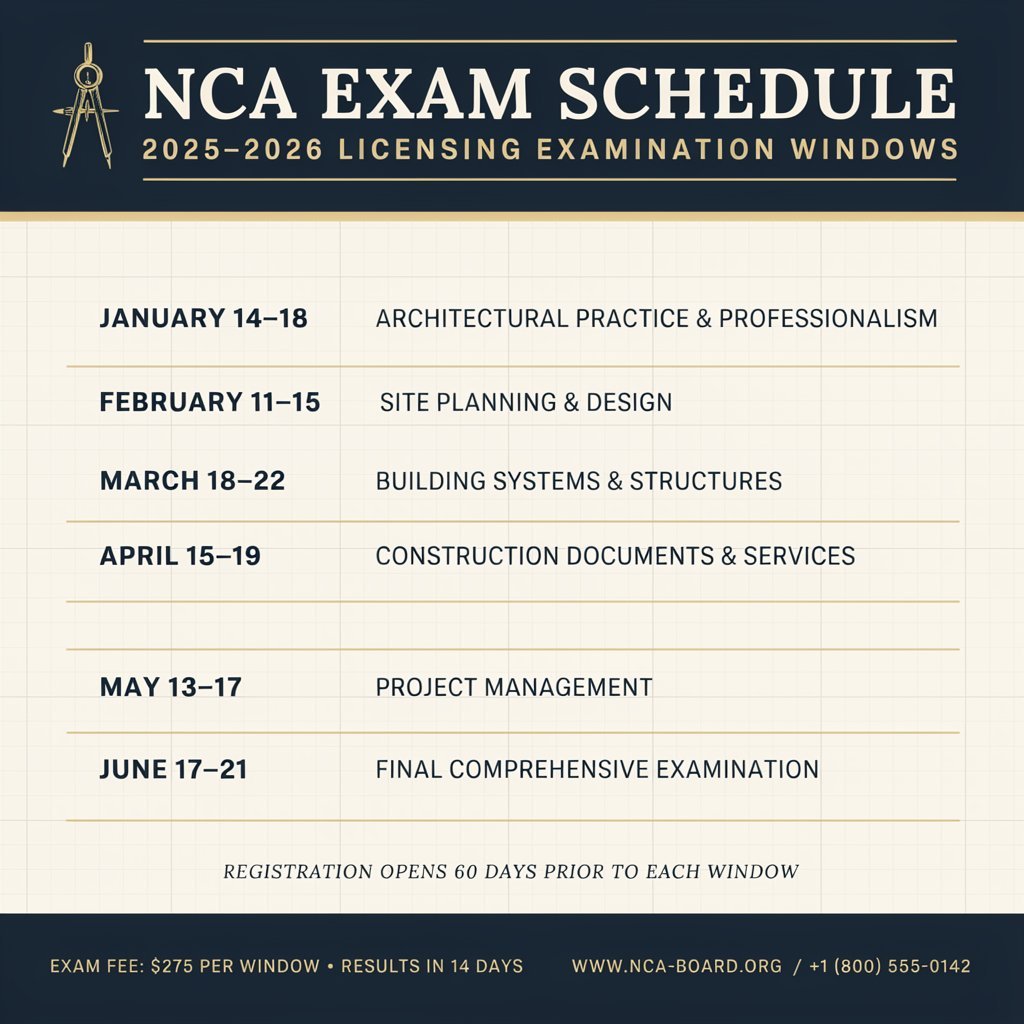
Table of Contents
ToggleYour Complete Guide to Test Dates, Registration, and Key Updates
Navigating the National College of Arts (NCA) exam schedule can be a complex task, requiring careful attention to official announcements and an understanding of how the academic calendar is structured. For the year 2026, the NCA has released its comprehensive schedule, detailing everything from the start of the Spring Semester to the final examination periods and result declarations. Whether you are an undergraduate student, an MPhil candidate, or a professional seeking to understand the intricacies of the academic calendar, staying informed about the NCA exam schedule is essential for effective planning and success. This guide provides a deep dive into the NCA academic calendar for 2026, offering clarity on key dates, registration processes, and recent changes that affect students.
Understanding the NCA Academic Calendar: A Dual Perspective
It is important to clarify that the acronym “NCA” can represent different institutions, each with its own distinct examination schedules. Primarily, in the context of arts and design education, the “NCA” refers to the National College of Arts in Lahore, Pakistan. This prestigious institution adheres to a structured academic calendar that dictates the flow of semesters, examinations, and holidays. However, for those pursuing a legal career, “NCA” also stands for the National Committee on Accreditation in Canada, which administers examinations for internationally trained lawyers seeking to practice in Canada. This guide primarily focuses on the National College of Arts in Lahore, but it will also address the Canadian NCA exam schedule to provide a comprehensive understanding for all readers. For the National College of Arts, the academic year is meticulously planned, and the NCA exam schedule is a critical component for students aiming to meet their academic requirements in a timely manner .
Decoding the NCA Spring Semester 2026
The NCA Spring Semester for 2026 has been designed with clear milestones, beginning with the commencement of classes on Monday, February 2, 2026 . This date marks the official start of the academic session for both Undergraduate and MPhil/Master programs. Immediately following the start of classes, important orientation activities are scheduled, including a foundation year orientation at the Lahore campus on February 6, 2026 . This early phase of the semester is also when students must complete their enrollment of electives, a process that typically spans from February 2 to February 10, 2026 . Understanding this initial schedule is vital as it sets the stage for the entire semester and ensures students are properly registered and prepared for their courses.
The NCA Exam Schedule for Mid-Semester and Final Exams
The NCA exam schedule is strategically structured to include both mid-semester and final assessments, allowing students to gauge their progress and prepare thoroughly for their final grades. For the Spring Semester of 2026, the mid-semester assessment week was initially planned from March 26 to April 2, 2026 . However, it is crucial to note a significant change to this schedule. In an official notification, the National College of Arts, Lahore confirmed the postponement of the mid-semester exams in response to government directives regarding austerity and fuel conservation measures . The rescheduled exams will now commence on April 6, 2026, instead of March 26 . This change underscores the importance of regularly checking official communications from the NCA, as even well-publicized schedules are subject to modification based on external circumstances.
As the semester progresses, students’ focus shifts to the final NCA exam schedule. For the 2026 Spring Semester, the final examinations for both Undergraduate and MPhil/Master programs are slated to begin on May 18, 2026 . This examination period is the culmination of months of study and marks a critical juncture in the academic calendar. The conclusion of these exams leads to the result declaration, which is officially scheduled for June 22, 2026 . This timeline provides a clear roadmap for students, allowing them to plan their study schedules effectively and anticipate the end of the semester. The NCA exam schedule, therefore, is not just a list of dates but a structured framework that dictates the rhythm of academic life.
NCA’s Year-Round Academic Planning: Summer and Fall Semesters
Beyond the Spring Semester, the National College of Arts has also outlined its plans for the Summer and Fall Semesters of 2026, demonstrating a comprehensive approach to academic planning. The NCA exam schedule for the Summer Semester indicates that classes will begin on June 29, 2026, shortly after the conclusion of the Spring Semester’s assessment and results . This rapid transition allows students who wish to accelerate their studies to continue their academic journey without significant interruption. The results for the summer session are expected to be declared on August 28, 2026 , after which the Fall Semester will commence on August 31, 2026 . This continuous cycle of semesters, each with its own NCA exam schedule, ensures that the institution maintains a steady pace of academic delivery, providing students with ample opportunities to progress through their programs. These dates are essential for students planning their academic year, especially those who may be involved in internships or other professional activities that require advance scheduling.
Crucial Registration and Accommodation Deadlines for the Canadian NCA
For those following the Canadian NCA exam schedule for legal accreditation, the year 2026 brings its own set of specific dates and important policy changes. The NCA has released a detailed examination schedule, and a significant observation for 2026 is a general shift in exam timing, with many sessions scheduled earlier than in previous years . For example, the Commercial Law exam moved from January 10 in 2025 to January 5 in 2026, and Business Organizations moved from February 7 to February 2 . This subtle but crucial change means that candidates must carefully verify the new dates for their specific subjects to avoid any last-minute surprises. The registration process for these exams follows a strict schedule, with registration typically opening approximately six weeks before the exam month and closing about three weeks prior .
Additionally, the 2026 Canadian NCA exam schedule places a new and explicit emphasis on accommodation deadlines. Unlike previous years, the 2026 schedule now includes an “Accommodation Forms due by” date for every session . Candidates who require accommodations must submit their completed forms and all necessary supporting documentation by the specified deadline. However, it is critical to understand that submitting documentation by the deadline does not guarantee that the NCA will approve the request; if the information provided is insufficient or incomplete, the request may be denied . This policy highlights the need for candidates to be extremely thorough and proactive in preparing their accommodation requests, ensuring they have all the required medical or professional documentation to support their application. The registration and accommodation deadlines for the Canadian NCA are as crucial as the exam dates themselves, and missing them can derail a candidate’s plans for months.
Key Dates and Their Implications: A Year-Round Overview
To fully grasp the scope of the NCA exam schedule, it is helpful to break down the academic year into its core components, each with its own set of deadlines and events. For the National College of Arts, Lahore, the year is defined by the Spring, Summer, and Fall semesters. The Spring Semester begins in early February with orientation and elective enrollment, progresses through a mid-semester break in late March to early April, and culminates with final exams in mid-May and results in late June . The Summer Semester follows, running from late June to late August, and is immediately succeeded by the Fall Semester, which starts in late August and runs through the end of the year . This structure means that students are in a constant cycle of preparation, examination, and transition, making the NCA exam schedule an indispensable tool for managing their time and stress levels.
For the Canadian NCA, the year is divided into monthly examination sessions, running from January through November . Each session has its own registration window and, for 2026, its own accommodation request deadline . The Canadian NCA exam schedule is less about semesters and more about specific subject offerings. For instance, Canadian Constitutional Law is typically offered in January, July, and October, while Canadian Professional Responsibility is offered in February, May, August, and November . This subject-specific scheduling means that candidates must plan their studies strategically, potentially dedicating months to preparing for a particular subject before its designated exam date. The flexibility in the schedule offers multiple opportunities throughout the year, but it also requires candidates to be disciplined and forward-thinking in their approach to exam preparation.
Conclusion
The NCA exam schedule for 2026 presents a well-organized, albeit detailed, framework for both arts students in Pakistan and legal professionals in Canada. By understanding the specific dates for class commencements, examinations, and result declarations, students and candidates can effectively plan their academic and professional lives. The key to success lies not only in knowing the dates but also in understanding the policies, such as the importance of meeting registration and accommodation deadlines. Whether you are navigating the vibrant academic environment of the National College of Arts in Lahore or pursuing legal accreditation in Canada, the NCA exam schedule serves as your essential guide. It is a roadmap to success, and careful attention to its details will ensure you stay on track, meet all requirements, and achieve your goals.
Frequently Asked Questions (FAQ)
Q1: When do the Spring Semester classes start at the National College of Arts (NCA) Lahore?
A1: According to the official NCA Academic Calendar for 2026, classes for the Spring Semester will commence on Monday, February 2, 2026 .
Q2: Were there any changes to the mid-semester exam schedule for NCA Lahore in 2026?
A2: Yes, the mid-semester exams were officially postponed. While they were originally planned from March 26 to April 2, 2026, they have been rescheduled and will now start on April 6, 2026, due to government directives .
Q3: When will the final semester examinations and result declaration take place for the NCA 2026 Spring Semester?
A3: The final semester examinations for Undergraduate and MPhil/Master programs are scheduled to begin on May 18, 2026. The official result declaration is set for June 22, 2026 .
Q4: How is the 2026 Canadian NCA exam schedule different from previous years?
A4: A key change for the 2026 Canadian NCA exam schedule is that many examination sessions have shifted slightly earlier in the month compared to 2025. Additionally, there is a new emphasis on strict deadlines for requesting accommodations, with specific “Accommodation Forms due by” dates now listed for every session .
Q5: Where can I find the most up-to-date information on the NCA exam schedule?
A5: The most reliable source for the NCA exam schedule is the official website of the specific institution. For the National College of Arts, Lahore, students should regularly check the official university portal. For the Canadian NCA, candidates should refer to the official NCA website, where all schedules, registration dates, and policy updates are officially published. It is also advisable to subscribe to official newsletters or notifications to receive timely updates on any changes or important announcements.

Database Pt 1: A Complete Beginner’s Guide to Database Fundamentals

More ASL: How to Sign “More” in American Sign Language

QX60 2025: Complete Guide to Price, Specs, Features, and Trims

The Ultimate Guide to Watching “Трон Смотреть”: Exploring the Digital Frontier

Gravity Points: The Complete Guide to Understanding and Calculating Wort Strength in Homebrewing

Renee Andrietti: The Woman Behind Rock Legend Bob Seger’s First Marriage
Trending
 Entertainment2 months ago
The Ultimate Guide to Watching “Трон Смотреть”: Exploring the Digital Frontier
- art2 months ago
Gravity Points: The Complete Guide to Understanding and Calculating Wort Strength in Homebrewing
- Entertainment2 months ago
Renee Andrietti: The Woman Behind Rock Legend Bob Seger’s First Marriage
- Fashion2 months ago
Michelle Smallmon’s Marital Status: A Deep Dive into the Private Life of ESPN’s Rising Star
- Tech2 months ago
The Ultimate Guide to IRB SDSU: Navigating Human Subjects ResearchThe Ultimate Guide to IRB SDSU: Navigating Human Subjects Research at San Diego State Universityat San Diego State University
- Fashion2 months ago
Constantine Yankoglu: The Private Life Behind a Name People Keep Searching
- Business2 months ago
Voozon.com: The All-in-One Digital Growth Platform for Modern Businesses
- Gaming2 months ago
The Ultimate Guide to Kaddun Drag Blocks: Mastering the Art of Strategic Puzzle Gaming