Culture
Unseen Eyes: Understanding, Identifying, and Defeating Monitoring Spirits Through Spiritual Warfare

Published
2 months agoon

Table of Contents
ToggleHave you ever felt an inexplicable sensation of being watched when no one is physically present? Have you experienced persistent patterns of failure that seem to defy logical explanation—a cycle of near-success followed by sudden collapse that leaves you questioning your own abilities and destiny? These experiences, frustrating and disorienting as they are, may point to a spiritual phenomenon that has been recognized across various religious and cultural traditions: the operation of monitoring spirits. These entities, often described as demonic forces assigned to observe, track, and hinder human progress, represent a profound aspect of spiritual warfare that many believers find themselves confronting without fully understanding its nature or having the tools to combat its influence.
This comprehensive guide explores the concept of monitoring spirits from a biblical and spiritual warfare perspective, examining what these entities are, how they operate, the signs that indicate their presence in your life, and the practical steps you can take to break free from their surveillance and reclaim your spiritual authority. By understanding the tactics of these spiritual spies and arming yourself with prayer, scripture, and spiritual discipline, you can shatter the works of monitoring spirits and walk in the divine victory that God has ordained for your life.
What Are Monitoring Spirits
Monitoring spirits, also known as watchers, spiritual spies, or familiar spirits, are supernatural entities believed to be assigned with the specific purpose of observing individuals’ lives with malicious intent. Unlike positive spiritual energies that might offer guidance or protection, monitoring spirits operate with an agenda of harm, seeking to gather intelligence about their victims to exploit weaknesses, create delays, and ultimately derail their destinies. These entities function as the eyes and ears of the enemy in the spiritual realm, tracking personal progress, relationships, and vulnerabilities to facilitate targeted spiritual attacks.
The concept of monitoring spirits appears in various cultural and religious contexts, though it is particularly prominent in certain branches of Christian spiritual warfare teaching. In these frameworks, monitoring spirits are understood as demonic entities that follow believers with the intent of disrupting their faith, blocking their blessings, and causing frustration in their lives. They are believed to be invisible to the physical eye but capable of influencing thoughts, emotions, and circumstances, often working through human agents or occult practices such as divination, witchcraft, and the use of objects like mirrors or altars.
From a spiritual warfare perspective, understanding the nature and purpose of monitoring spirits is crucial for effective spiritual defense. These entities do not merely observe passively but actively seek to interfere with their victims’ lives, using the information they gather to orchestrate setbacks, sow discord, and create patterns of failure that can be devastatingly persistent. Recognizing that you may be facing a spiritual surveillance operation, rather than mere coincidence or personal inadequacy, is the first step toward breaking free from its influence and stepping into the freedom that comes through spiritual authority.
How Monitoring Spirits Operate
The methodology of monitoring spirits is both insidious and effective, designed to create maximum disruption while remaining undetected by those they target. Understanding these operational tactics is essential for recognizing when you are under spiritual surveillance and for taking appropriate countermeasures. These spirits often gain access through various entry points, including generational covenants, involvement with occult practices, ungodly soul ties, or even the negative emotions and unconfessed sin that create spiritual openings in a believer’s life.
One of the primary ways monitoring spirits operate is through information gathering. Just as physical surveillance involves watching and recording a target’s activities, monitoring spirits seek to learn their victims’ strengths, weaknesses, goals, and vulnerabilities. This intelligence is then used to launch strategic spiritual attacks designed to hit where the victim is most vulnerable. For example, if a monitoring spirit detects that someone is about to experience a breakthrough in their career, it may orchestrate circumstances to cause confusion, conflict, or unexpected obstacles that delay or derail that advancement. Similarly, if a person is preparing for marriage, these spirits might stir up strife, misunderstanding, or external opposition to postpone or destroy the relationship.
Another key aspect of monitoring spirit operation is the use of access points in the natural and spiritual realms. Traditional practices such as burying a placenta at a family shrine, participating in occult rituals, or making vows to spiritual houses are believed to create points of connection that allow monitoring spirits to maintain ongoing surveillance. Even seemingly innocuous objects like mirrors can be consecrated for spiritual monitoring, serving as portals through which these entities observe their victims. In some traditions, animals are also thought to be used as vessels for monitoring spirits, with certain creatures appearing repeatedly in unusual circumstances serving as potential indicators of spiritual surveillance.
Recognizing Signs of Spiritual Surveillance
Identifying the signs of monitoring spirit activity in your life is crucial for taking appropriate spiritual action. Many people suffer for extended periods under spiritual surveillance without recognizing the true source of their struggles, attributing their difficulties to bad luck, personal failure, or the actions of others. However, the patterns associated with monitoring spirit activity are often distinctive and recognizable to those who are spiritually aware.
One of the most common indicators is a persistent feeling of being watched, especially during times of prayer, worship, or significant spiritual activity. This sensation often manifests as unease, anxiety, or a sense of unseen presence that cannot be explained by physical circumstances. Many individuals under spiritual surveillance also experience recurring troubling dreams, particularly dreams of being chased, followed, or observed by unknown figures, animals, or even familiar faces acting strangely. These dreams are not merely the products of subconscious anxiety but are recognized in spiritual warfare circles as potential windows into the spiritual realm, revealing the operation of monitoring forces against the sleeper.
A particularly frustrating sign of monitoring spirit activity is the phenomenon of repeated, unexplained setbacks at the moment of breakthrough. This pattern, sometimes called “near-success syndrome,” involves consistently reaching the verge of significant achievement only to have circumstances suddenly collapse, opportunities disappear, or unexpected obstacles emerge. Those under monitoring spirit influence may also experience persistent failure in key life areas—finances, relationships, career, health—without any logical or natural explanation for the recurring problems. Additional signs include hearing your private matters discussed by others who could not have known about them, experiencing sudden emotional shifts like irritability or depression without apparent cause, and a general sense of stagnation or being held back from fulfilling your potential.
The Biblical Foundation for Spiritual Warfare Against Monitoring Spirits
While the specific term “monitoring spirit” does not appear in Scripture, the Bible provides extensive teaching on spiritual warfare, evil spirits, and the believer’s authority over demonic forces. This biblical foundation is essential for understanding how to effectively combat spiritual surveillance and break free from its influence. The Apostle Paul’s writings, in particular, emphasize that believers are engaged in a spiritual battle against forces that are not of this world: “For we do not wrestle against flesh and blood, but against principalities, against powers, against the rulers of darkness of this age, against spiritual hosts of wickedness in the heavenly places” (Ephesians 6:12).
The Bible contains several accounts that believers in monitoring spirits interpret as biblical examples of such surveillance and interference. The story of the slave girl in Acts 16:16-18, who had a spirit of divination and followed Paul and his companions for many days, is sometimes cited as an example of monitoring spirit activity. While critics argue this was merely a spirit of fortune-telling rather than surveillance, the parallels are instructive—an evil spirit attached itself to a person and tracked the movements of God’s servants, requiring Paul’s intervention to break its hold. Similarly, the story of Balaam in Numbers 22-24 illustrates how spiritual forces can be directed against God’s people, though ultimately God’s protection prevailed over the enemy’s schemes.
Scripture also provides the foundation for spiritual protection and deliverance from monitoring spirits. The Bible declares, “No weapon formed against you shall prosper” (Isaiah 54:17), establishing the principle that even spiritual weapons directed against believers can be neutralized through divine protection. Psalm 91 offers some of the most powerful promises of protection in Scripture, assuring those who dwell in the shelter of the Most High that they are shielded from the terror by night, the arrow that flies by day, and the pestilence that walks in darkness—language that spiritual warfare practitioners apply to the covert operations of monitoring spirits.
Effective Strategies for Overcoming Monitoring Spirits
Deliverance from monitoring spirits is not a passive process but requires active, intentional spiritual engagement. Based on the experiences of those who have successfully broken free from spiritual surveillance, and the teaching of spiritual warfare practitioners, several proven strategies can be employed to overcome the influence of monitoring spirits.
Prayer and Spiritual Declaration forms the foundation of deliverance from monitoring spirits. Prayer is recognized as a powerful tool in spiritual warfare, capable of breaking the hold of demonic forces and establishing divine protection. Effective prayer against monitoring spirits involves praising God and confessing any known or unknown sins to remove spiritual “gaps” these spirits might exploit, claiming the protection of the blood of Jesus over your life, home, and family, and directly commanding monitoring spirits to leave in the name of Jesus. Declarations such as “I rebuke and reject every monitoring spirit sent against me, in the name of Jesus!” and “I break every spiritual surveillance assigned to my life!” carry spiritual authority when spoken with faith.
Repentance and Renunciation addresses the spiritual entry points that may have been established in a person’s life. Monitoring spirits often gain access through past involvement in occult practices, ungodly covenants, soul ties, or even persistent unconfessed sin. To close these spiritual gateways, individuals must identify and renounce any past agreements, practices, or connections that may have opened doors to monitoring spirits. This may involve confessing and repenting of involvement in activities such as fortune-telling, spiritism, or even seemingly benign practices that operate outside biblical parameters. Removing objects connected to occult practices from your home and severing ungodly relationships that might serve as conduits for spiritual surveillance are also essential steps.
Spiritual Cleansing and Protection creates an environment where monitoring spirits cannot thrive. Regular spiritual cleansing can remove lingering negative energy and prevent further monitoring. This may involve anointing doors and windows with protective oils, burning sage or frankincense to purify the air, playing worship music and reciting scriptures to raise the spiritual atmosphere of your home, and using salt or other symbolic substances to establish protective boundaries. Consistent spiritual discipline through daily prayer, Bible study, worship, and fasting builds spiritual resilience and makes it more difficult for monitoring spirits to operate effectively against you.
Practical Steps for Daily Spiritual Defense
Beyond the immediate strategies for deliverance, maintaining ongoing spiritual protection against monitoring spirits requires consistent daily practices that build your spiritual defenses and limit the enemy’s ability to surveil your life. These practices not only protect against monitoring spirits but strengthen your overall spiritual walk and intimacy with God.
One of the most effective ongoing protective measures is cultivating discernment and spiritual awareness. The Bible encourages believers to be wise about good and innocent about evil (Romans 16:19), suggesting a balanced approach that recognizes the reality of spiritual opposition without becoming obsessed with demonic activity. Regular prayer for discernment, asking God to reveal any hidden spiritual threats and to sharpen your ability to sense when something is spiritually amiss, is a valuable daily practice. Seeking counsel from mature spiritual leaders who have experience in spiritual warfare can also provide guidance and support when dealing with persistent monitoring spirit activity.
Guarding what you share is another important practical step against monitoring spirits. Just as physical surveillance relies on information, monitoring spirits exploit the details of your life to launch targeted attacks. This means exercising discretion in what you share about your plans, aspirations, and personal struggles, particularly with people whose spiritual condition may be questionable. While it is not necessary to live in paranoid secrecy, being mindful of oversharing on social media and in casual conversation can limit the intelligence available to spiritual spies. Sharing positive declarations about your future rather than words of fear, doubt, or defeat also aligns your speech with the victory God has promised and denies the enemy the chance to use your own words against you.
Maintaining spiritual momentum and progress provides a powerful defense against monitoring spirits, which thrive in environments of stagnation and discouragement. Consistently moving forward in your spiritual walk through daily prayer, regular church attendance, service to others, and ongoing spiritual growth activities keeps you in the stream of God’s purposes where the enemy’s surveillance is less effective. When setbacks come, as they inevitably will, responding with continued faith rather than discouragement or retreat denies the monitoring spirit the victory it seeks. Remembering that your spiritual authority in Christ is greater than any force trying to observe or manipulate you provides the confidence needed to stand firm in spiritual warfare and walk in the freedom that is your inheritance as a child of God.
Conclusion
The reality of spiritual surveillance through monitoring spirits represents one of the more challenging aspects of spiritual warfare that believers may face. These entities, operating as unseen observers with malicious intent, can create patterns of confusion, delay, and failure that seem inescapable and profoundly discouraging. Yet the Bible and spiritual tradition consistently affirm that the power and authority of God are greater than any demonic opposition. The same Scriptures that warn of spiritual hosts of wickedness in the heavenly places also promise that no weapon formed against you shall prosper, that the one who is in you is greater than the one who is in the world, and that God has given believers authority over all the power of the enemy (Ephesians 6:12; Isaiah 54:17; 1 John 4:4; Luke 10:19).
Overcoming monitoring spirits requires a comprehensive approach that combines biblical understanding, spiritual discipline, and practical wisdom. Recognizing the signs of spiritual surveillance, closing the spiritual gateways through repentance and renunciation, engaging in targeted prayer and deliverance, and maintaining daily spiritual practices that build protection and resilience are all essential elements of effective spiritual warfare against these entities. Importantly, the battle against monitoring spirits is not about living in fear or developing an unhealthy obsession with demonic activity, but about walking confidently in the victory that Christ has already secured. The Apostle Paul’s instruction to be wise about good and innocent about evil provides a balanced perspective that acknowledges spiritual opposition while keeping the focus on the God who is infinitely greater than any enemy.
For those who have felt the oppressive weight of unseen surveillance and experienced the frustrating patterns of unexplained setbacks, the journey to freedom begins with recognizing that these experiences may have a spiritual dimension that can be addressed through prayer and spiritual warfare. Seeking help from mature spiritual leaders, engaging in consistent prayer and fasting, and standing firmly on the promises of God’s protection and deliverance can break the hold of monitoring spirits and open the door to the abundant life God has promised. The same God who delivered the Israelites from Pharaoh’s pursuit, who protected Daniel in the lions’ den, and who raised Jesus from the dead is the God who watches over His children and provides deliverance from every form of spiritual oppression. With faith, persistence, and the weapons of spiritual warfare, you can silence the enemy’s spies, cancel demonic delays, and walk confidently into the divine victory that is your inheritance.
Frequently Asked Questions (FAQ)
What exactly are monitoring spirits?
Monitoring spirits are demonic entities believed to be assigned to observe individuals’ lives with the purpose of causing harm, creating delays, and blocking progress. They gather information about personal activities, relationships, strengths, and weaknesses to facilitate targeted spiritual attacks. Unlike guardian angels or positive spiritual presences, monitoring spirits operate with malicious intent, serving as spiritual spies for the forces of darkness. They are also referred to as watchers, familiar spirits, or spiritual spies.
How can I tell if I have a monitoring spirit in my life?
Common signs of monitoring spirit activity include persistent feelings of being watched even when alone, recurring troubling dreams of being chased or observed, repeated patterns of near-success followed by sudden failure, hearing your private matters discussed by people who could not have known about them, and feeling spiritual heaviness or unease during prayer or worship. Other indicators may include sudden emotional shifts, unexplained physical symptoms, and obstacles appearing consistently in key life areas like finances, relationships, or health.
Does the Bible mention monitoring spirits?
The specific term “monitoring spirit” does not appear in Scripture. However, the Bible contains extensive teaching on spiritual warfare, evil spirits, and the believer’s authority over demonic forces (Ephesians 6:12; 1 Peter 5:8). Some believers interpret accounts like the slave girl with a spirit of divination in Acts 16:16-18 as biblical examples of monitoring spirit activity. The Bible also promises divine protection against spiritual attacks: “No weapon formed against you shall prosper” (Isaiah 54:17).
What prayers should I use against monitoring spirits?
Effective prayers against monitoring spirits include confessing sins to close spiritual gaps, covering yourself and your home with the blood of Jesus, and directly commanding the spirits to leave: “Any spirit sent to monitor my life, health, or progress, I command you to leave in Jesus’ name!”. Psalm 35 is frequently used as a powerful prayer against spiritual surveillance: “Let them be confounded and put to shame that seek after my soul… Let their way be dark and slippery: and let the angel of the Lord persecute them”. Daily declarations of protection, such as claiming Psalm 91 or saying “No weapon formed against me shall prosper,” can build ongoing spiritual defenses.
How do monitoring spirits gain access to a person’s life?
Monitoring spirits can gain access through various spiritual entry points, including past involvement in occult practices, generational covenants, ungodly soul ties, unconfessed sin, or even negative emotions like fear and bitterness. Some traditional practices, such as burying a placenta at a family shrine or making vows to spiritual houses, are believed to create points of connection. Objects like mirrors or altars can also be consecrated for spiritual monitoring, and the occult use of such items can serve as portals for spiritual surveillance.
Can monitoring spirits be permanently defeated?
Yes, through consistent spiritual warfare and maintaining ongoing spiritual protection, the influence of monitoring spirits can be broken and prevented from returning. Key steps include repentance to close spiritual gateways, deliverance prayers to break the spirits’ hold, daily spiritual practices to build protection, and maintaining spiritual momentum to avoid stagnation. The promise of Scripture assures believers that no weapon formed against them will prosper, and the authority given in Christ is sufficient to overcome all demonic opposition (Luke 10:19). However, vigilance must be maintained through ongoing spiritual discipline and awareness.
You may like
Culture
The Ultimate Guide to “Marty Supreme” Showtimes: Where to Catch Timothée Chalamet’s Award-Winning Masterpiece
Published
2 months agoon
July 29, 2026
Table of Contents
ToggleThe cinematic event of the year has officially arrived, and it is generating the kind of buzz that only happens when a visionary director and a generational talent collide. “Marty Supreme,” the highly anticipated sports comedy-drama directed by Josh Safdie, has taken the world by storm since its premiere at the New York Film Festival and subsequent wide release. Starring the incomparable Timothée Chalamet in a Golden Globe-winning performance, this film has quickly ascended the ranks to become one of the highest-grossing independent films of the year. If you are eager to experience this adrenaline-fueled journey on the biggest screen possible, you are likely searching for “Marty Supreme showtimes.” This article serves as your definitive guide to understanding the film’s release, its captivating narrative, and exactly how you can secure your tickets for the perfect screening.
The World of “Marty Supreme”: A Cinematic Event
To truly appreciate the excitement surrounding its showtimes, one must first understand the significance of “Marty Supreme.” This is not merely a film; it is a return to form for Josh Safdie, who co-wrote and directed the project following the overwhelming success of Uncut Gems. Blending the high-stakes tension he is famous for with a surprising comedic undertone, Safdie transports audiences to the vibrant world of 1950s professional table tennis. The narrative follows Marty Mauser, played with incredible intensity by Timothée Chalamet, a young man driven by a dream that the world deems laughable—to become the greatest table tennis player in existence. However, this is far from a simple sports story; it is a gritty, stylish, and often chaotic character study about obsession, ambition, and the lengths one will go to in order to prove their worth. The film also marks a significant milestone, having received nine Academy Award nominations and eleven BAFTA nods, cementing its place as a must-see theatrical experience.
Understanding the Release and Showtimes
The release strategy for “Marty Supreme” was meticulously planned to build anticipation. The film had a limited release in the United States on December 19, 2025, before expanding wide on December 25, 2025—a prime Christmas Day slot that solidifies its status as a holiday blockbuster. The international rollout began on December 26, 2025, with the United Kingdom, and continued into January 2026 for territories like India. Given this staggered release, finding current showtimes requires a bit of strategy. The movie is playing in major chains like Cinemark, independent theaters like the Revue Cinema in Toronto, and multiplexes such as Cineplex VIP Cinemas and Landmark Cinemas.
How to Find “Marty Supreme” Showtimes Near You
In our digital age, finding showtimes is easier than ever, but it requires using the right tools. The most reliable method is to visit aggregator sites like Fandango, Showtimes.com, or your local theater’s official website. For instance, a search on Cinemark’s website directly allows you to filter showtimes by date and location specifically for “Marty Supreme”. In Canada, platforms like Toronto Movies provide detailed listings for venues like the Varsity Cinemas, while in India, audiences are utilizing BookMyShow and District by Zomato to book their seats. It is also wise to check the specific theater’s schedule, as showtimes can vary dramatically. For example, while the Varsity Cinemas in Toronto offers multiple screenings throughout the day, smaller boutique theaters might only have a limited number of showings.
Key Details to Consider:
Runtime: The film runs approximately 2 hours and 30 minutes (150 minutes), so plan your schedule accordingly.
Rating: It is rated R for violence, sexual scenes, offensive language, and nudity, making it unsuitable for younger audiences.
The Digital Shift and Special Screenings
As the theatrical run progresses, many theaters are transitioning from standard screenings to special engagements. As of early 2026, some venues like the Coolidge Corner Theatre are beginning to list digital screenings, often with multiple showtimes such as 3:00 PM, 6:00 PM, and 9:40 PM. Furthermore, “Marty Supreme” has been included in special event series like “Oscars Movie Week,” where theaters re-release the film to capitalize on its award season momentum. This presents a unique opportunity for those who may have missed the initial release window. Always check the classification of the screening—whether it is a standard 2D showing or a special engagement—as this can affect availability and pricing.
Conclusion
“Marty Supreme” is more than just a movie; it is a cultural moment that demands to be seen on the big screen. With Timothée Chalamet delivering a career-defining performance and Josh Safdie crafting a world that is both visually stunning and narratively gripping, the search for “Marty Supreme showtimes“ is a quest worth taking. Whether you are planning a night out at a local independent cinema or heading to a major multiplex, the film’s blend of sports drama and dark comedy ensures an unforgettable experience. Do not wait until it hits streaming platforms—this is a film built for the communal energy of a theater. Secure your tickets today and prepare to witness Marty Mauser’s relentless pursuit of greatness.
Frequently Asked Questions (FAQ)
Q1: When was “Marty Supreme” released?
A: The film premiered at the New York Film Festival on October 6, 2025 and was released in the United States on December 25, 2025 by A24. It had a limited release on December 19 before expanding widely.
Q2: Who is the director of “Marty Supreme” and who stars in it?
A: It is directed by Josh Safdie and stars Timothée Chalamet in the lead role. The supporting cast includes Gwyneth Paltrow, Odessa A’zion, Kevin O’Leary, Tyler Okonma, and Abel Ferrara.
Q3: How long is the movie “Marty Supreme”?
A: The runtime is approximately 2 hours and 30 minutes (150 minutes). Some sources list it as 149 minutes.
Q4: Where can I find showtimes for “Marty Supreme”?
A: You can find showtimes on aggregator sites like Showtimes.com, theater chain websites (like Cinemark or Cineplex), or by checking local theater listings on platforms like Fandango or BookMyShow.
Q5: Is “Marty Supreme” a true story?
A: The film is loosely inspired by the life of American table tennis legend Marty Reisman, but it is a fictionalized narrative created for dramatic effect.
Culture
Assembly Hall of Jehovah’s Witnesses: A Complete Guide to History, Purpose, and Spiritual Significance
Published
2 months agoon
July 28, 2026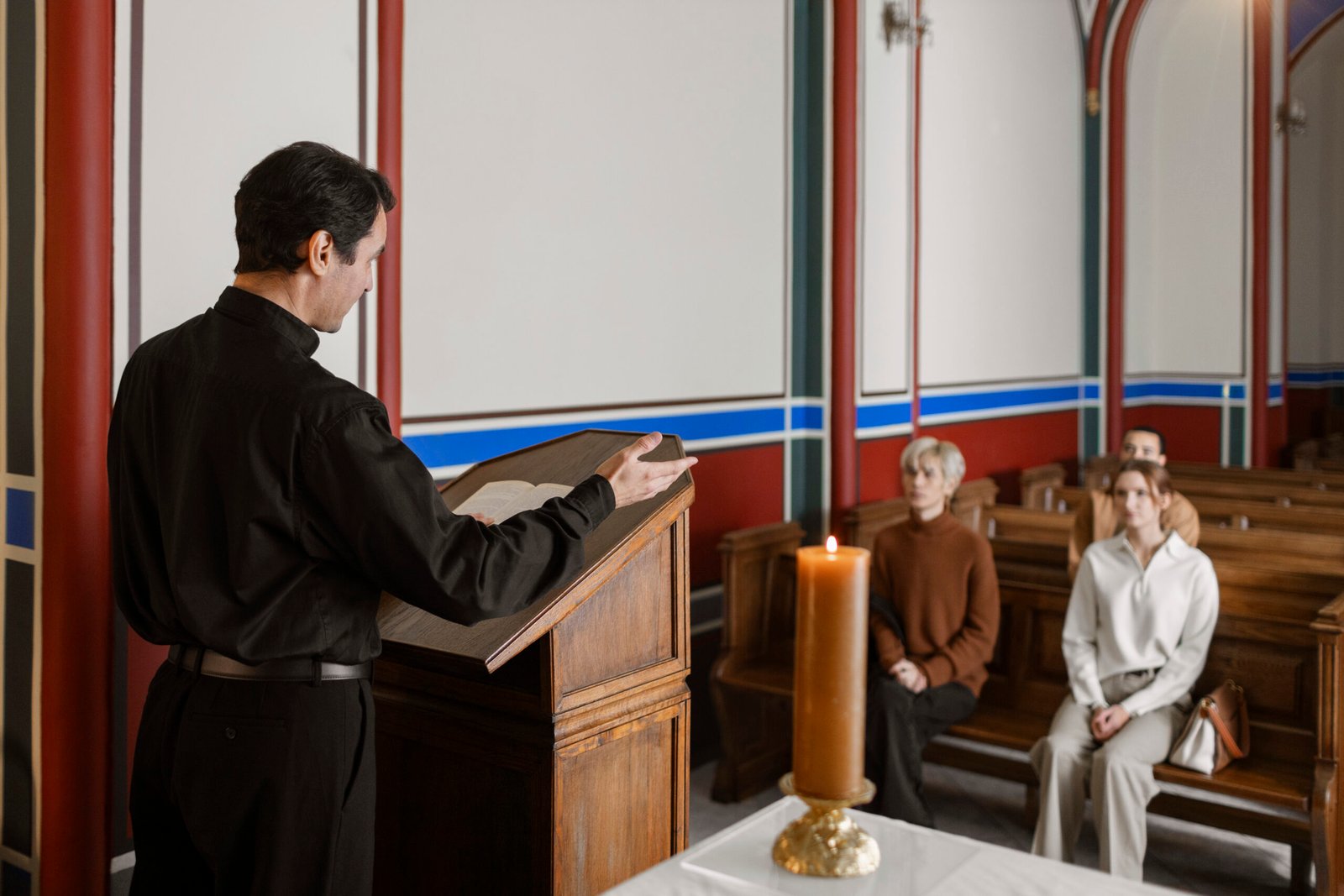
Table of Contents
ToggleThe Assembly Halls of Jehovah’s Witnesses represent a fascinating intersection of adaptive reuse, spiritual dedication, and community worship. These buildings, often transformed from grand historic theaters into dignified places of worship, serve as central gathering points for thousands of individuals seeking spiritual education and fellowship. Unlike the local Kingdom Halls where congregations meet weekly, Assembly Halls accommodate larger regional gatherings known as circuit assemblies and conventions, providing a venue where the broader community of believers can come together for intensive Bible instruction and encouragement .
Understanding what happens within these walls reveals much about the beliefs and practices of Jehovah’s Witnesses. From the powerful Bible-based talks that offer practical guidance on family life and spirituality to the warm atmosphere filled with courteous individuals, these gatherings are designed to foster unity and provide spiritual nourishment . Whether you are a member of the faith seeking to understand the significance of these facilities, or a curious observer interested in their architectural and historical importance, this article provides a comprehensive exploration of the Assembly Halls of Jehovah’s Witnesses.
A Rich History: From Theaters to Places of Worship
One of the most remarkable aspects of many Assembly Halls is their history as former entertainment venues. The Watch Tower Society, the legal entity used by Jehovah’s Witnesses, recognized the need for suitable buildings that could comfortably host large spiritual programs without the dignity concerns associated with renting stadiums or school auditoriums . This led to the acquisition of several grand theaters across the globe, preserving their architectural beauty while adapting them for religious purposes.
The Stanley Theater in Jersey City, New Jersey, stands as a prime example of this transformation. Opened in 1928 as the second-largest Atmospheric style theater in the United States, it boasted 4,300 seats and served as a premier entertainment venue . In 1983, it was purchased by the Watch Tower Society and converted into an Assembly Hall . Visitors today can marvel at the detailed historical carvings on its walls, which have been expertly restored to remove pagan symbols, creating what many describe as an “absolution wonderful experience” . This conversion was not without legal challenges; the city of Jersey City initially tried to block the renovation, citing zoning laws that prohibited houses of worship in commercial districts . However, the Jehovah’s Witnesses persisted, and the building now stands as a testament to their commitment to preserving dignified worship spaces.
Across the Atlantic, similar stories unfold. The Enfield Ritz in London, a cinema built in 1933, was acquired by the Jehovah’s Witnesses and converted into an Assembly Hall. The preservation work has been so thorough that the auditorium remains in almost perfect condition, reflecting the care and volunteer effort that goes into maintaining these facilities . In Dudley, England, the Odeon Theatre opened in 1937 and closed in 1975 before being sold to the International Bible Students Association, later becoming an Assembly Hall . The transformation of these entertainment palaces highlights the value Jehovah’s Witnesses place on having facilities that reflect the dignity of their worship while preserving elements of the original architecture that are not in conflict with their beliefs.
The Purpose of Assembly Halls: Spiritual Education and Fellowship
While Kingdom Halls serve as the local meeting places for congregation worship, Assembly Halls fulfill a distinct role within the religious structure of Jehovah’s Witnesses . They are designed to accommodate circuit assemblies, which bring together multiple congregations for a weekend of concentrated spiritual instruction. These gatherings typically include musical presentations, live dramatic presentations, slide shows, and movies, all of a religious nature . The larger setting and the presence of thousands of attendees are intended to give Jehovah’s Witnesses a sense of brotherhood and unity in their worship that differs from the more intimate setting of a local Kingdom Hall.
The programming at these events is specifically designed to provide practical, Bible-based guidance that addresses contemporary life challenges. Attendees regularly express appreciation for the encouraging information shared, noting that they learn more about the Bible in these settings than anywhere else . Talks cover a variety of topics, including family life, Christian qualities, prophecy, and the strengthening of personal faith. The atmosphere is described as joyful and peaceful, with a focus on helping all attendees apply biblical principles in their daily lives . This educational focus is a key aspect of the organization’s mission to preach the good news of God’s Kingdom, as they consider Bible education central to their religion .
The Assembly Halls also serve as venues for a variety of special events. For example, the Queens Assembly Hall in Long Island City, New York, which opened in 1965 as the first-ever Assembly Hall of Jehovah’s Witnesses, hosted the graduation programs of the Watchtower Bible School of Gilead from 1966 to 1984 . This facility, purchased from a theater built in 1930, served its purpose for six decades before closing in 2025, coinciding with the completion of a new 2,100-seat facility in Woodbury, New York . This transition exemplifies the organization’s ongoing commitment to providing suitable facilities for the spiritual needs of its members.
Architectural Significance and Preservation
The architecture of many Assembly Halls is a significant part of their appeal and historical importance. By acquiring historic theaters and cinemas, Jehovah’s Witnesses have inadvertently become stewards of a significant piece of entertainment history. The adaptation of these buildings into religious meeting places has often ensured their preservation, as seen with the Enfield Ritz and the Stanley Theater . These buildings are not torn down but are renovated with care, maintaining the original decorative features and structural layout. The interiors feature proscenium arches, detailed carvings, and stage facilities, all of which are repurposed for spiritual presentations rather than secular entertainment .
However, the architectural approach is not limited to historic preservation. In many parts of the world, particularly in Africa, a different type of Assembly Hall is being built. The “Simplified Assembly Hall” initiative, started in 2018, focuses on constructing modest, dignified venues quickly and economically in remote areas . In Uganda, for instance, Assembly Halls have been built inside refugee camps. These structures can be simple weatherproof tents accommodating 650 people, or more complex buildings with multiple tents seating around 2,000, all equipped with audio and video equipment, baptism pools, and stages . This initiative reflects a global need for Assembly Halls, with over 100 needed in Africa alone and more required in Central and South America .
The Global Effort: Volunteer Construction and Universal Design
A hallmark of the Assembly Halls of Jehovah’s Witnesses is the volunteer effort involved in their construction and maintenance. Construction crews consist entirely of volunteering Jehovah’s Witnesses who have been pre-approved for work on these sites, sometimes even traveling from other countries to help . This volunteer spirit is a core aspect of the organization’s identity, with members willing to learn new skills to assist in building these much-needed facilities. Their motivation comes from a belief that Jehovah strengthens them to accomplish this work, as they find guidance in Bible verses such as Philippians 4:13 and 2:13 .
The act of constructing a Kingdom Hall or Assembly Hall is sometimes called a “quick-build,” where a number of standard designs are used and can be erected in just a few days . This approach ensures efficiency and cost-effectiveness while maintaining a dignified and functional structure. For years, a noticeably dominant architectural style has been used based on standardized design concepts, though the exact appearance can be adapted to local needs and circumstances . This efficiency allows for rapid response to the growing demand for spiritual gathering places around the world. The effort is not just about providing a building; it’s about creating a space where the community can focus on spiritual programs without the exhaustion of preparing temporary structures for each event .
The Experience: What Attendees Can Expect
Visitors to an Assembly Hall of Jehovah’s Witnesses are often struck by the welcoming and orderly environment. The facilities are described as beautifully maintained, clean, and accessible for individuals with disabilities . Attendees emphasize the friendly and courteous nature of the people, the well-behaved children, and the overall spirit of peace and respect that pervades the events . This orderliness extends beyond the building into the parking lot, with visitors noting that drivers are polite and courteous.
There is no admission fee to attend programs at the venue . The events are free, and although contribution boxes are present, there is no pressure on attendees to give. This accessibility is a key part of the organization’s public outreach, inviting anyone who wishes to learn more about the Bible to do so without financial obligation . The programs are designed to be educational and uplifting, focusing on practical applications of biblical principles that resonate with contemporary life challenges. Guests are also encouraged to participate in free personal one-on-one Bible studies offered by trained teachers, providing an opportunity for deeper understanding of biblical teachings .
Conclusion
The Assembly Halls of Jehovah’s Witnesses stand as more than just religious buildings; they are symbols of a global effort to provide dignified, spiritually enriching spaces for Bible education and fellowship. Their history often involves the preservation of grand architectural treasures, adapting them from theaters of entertainment to theaters of faith. Whether it is the historically preserved Stanley Theater, the newly constructed Long Island Assembly Hall, or the simplified structures in African refugee camps, each facility serves a vital purpose: to bring people together to learn about the Bible in a welcoming and orderly environment.
The dedication of volunteers who build and maintain these halls, the practical nature of the spiritual programs offered, and the warm atmosphere of the gatherings all contribute to the unique character of these Assembly Halls. They are a testament to the beliefs and practices of Jehovah’s Witnesses, reflecting their commitment to public education, community unity, and a dignified approach to worship. For anyone seeking a place to learn about the Bible in a supportive and courteous setting, the Assembly Halls of Jehovah’s Witnesses offer a truly remarkable experience.
FAQ
1. What is the difference between a Kingdom Hall and an Assembly Hall of Jehovah’s Witnesses?
A Kingdom Hall is the local place of worship where individual congregations meet for weekly services . An Assembly Hall, on the other hand, is a larger facility used for regional gatherings known as circuit assemblies or conventions, bringing together multiple congregations for larger spiritual events .
2. Are the programs at the Assembly Hall free to attend?
Yes, all programs at the Assembly Hall are free to attend. There is no admission fee, and although donation boxes are available, there is no obligation or pressure to contribute financially .
3. Are Assembly Halls open to the public?
Absolutely. Members of the public are welcome to attend any of the programs held at the Assembly Hall. The events are designed as an educational outreach, and visitors can expect a warm welcome .
4. What type of activities take place at an Assembly Hall of Jehovah’s Witnesses?
The main activities include two-day circuit assemblies and larger conventions. These feature Bible-based discourses, dramatic presentations, musical programs, and interviews. These activities are designed to provide spiritual education, practical guidance for family life, and a sense of unity among attendees .
5. Why do some Assembly Halls look like old movie theaters?
Many Assembly Halls are former theaters that were purchased and renovated by the Jehovah’s Witnesses. These historic buildings were acquired because they could comfortably seat large audiences. The Jehovah’s Witnesses have preserved much of the architecture, such as the detailed carvings and stage designs, while adapting them for dignified worship .

Database Pt 1: A Complete Beginner’s Guide to Database Fundamentals

More ASL: How to Sign “More” in American Sign Language

QX60 2025: Complete Guide to Price, Specs, Features, and Trims

The Ultimate Guide to Watching “Трон Смотреть”: Exploring the Digital Frontier

Gravity Points: The Complete Guide to Understanding and Calculating Wort Strength in Homebrewing

Renee Andrietti: The Woman Behind Rock Legend Bob Seger’s First Marriage
Trending
 Entertainment2 months ago
The Ultimate Guide to Watching “Трон Смотреть”: Exploring the Digital Frontier
- art2 months ago
Gravity Points: The Complete Guide to Understanding and Calculating Wort Strength in Homebrewing
- Entertainment2 months ago
Renee Andrietti: The Woman Behind Rock Legend Bob Seger’s First Marriage
- Tech2 months ago
The Ultimate Guide to IRB SDSU: Navigating Human Subjects ResearchThe Ultimate Guide to IRB SDSU: Navigating Human Subjects Research at San Diego State Universityat San Diego State University
- Fashion2 months ago
Michelle Smallmon’s Marital Status: A Deep Dive into the Private Life of ESPN’s Rising Star
- Fashion3 months ago
Constantine Yankoglu: The Private Life Behind a Name People Keep Searching
- Business2 months ago
Voozon.com: The All-in-One Digital Growth Platform for Modern Businesses
- Gaming2 months ago
The Ultimate Guide to Kaddun Drag Blocks: Mastering the Art of Strategic Puzzle Gaming