Connect with us

Blog

Peter Orszag Hair: Hairstyle, Hairline, Changes, and What Public Photos Show

Published

on

Peter Orszag Hair

The search for Peter Orszag hair has grown beyond a simple question about hairstyle. Peter R. Orszag is primarily known as an economist, former senior U.S. government official, and business executive, and he currently serves as CEO and Chairman of Lazard. Yet photographs from different stages of his public career have led people to become curious about his haircut, hair color, hairline, and overall appearance. When discussing a public figure’s appearance, it is important to separate what can actually be observed in photographs from claims that have not been publicly verified. In Orszag’s case, photographs provide a useful way to describe his visible hairstyle, while questions about private hair treatments, hairpieces, or medical procedures require much more caution.

This article examines Peter Orszag hair from that perspective. It looks at the general haircut associated with his public appearances, how his hair appears to have changed from his earlier government years to more recent photographs, why searches about his hairline and possible hairpieces exist, and what can reasonably be said without presenting internet speculation as established fact. The goal is to provide a detailed, useful overview for readers searching for information about Peter Orszag’s hairstyle and appearance.

Peter Orszag Hair: Quick Overview

Peter Orszag generally appears in public with a short, neat, conservative professional hairstyle. Recent photographs show considerably more gray and silver coloration than many photographs from earlier periods of his career. Several online hairstyle publications describe the visible style as a classic executive haircut with relatively tidy sides and somewhat more length on top, although there is no official source from Orszag identifying a particular haircut by name.

That distinction is important for anyone researching Peter Orszag hair. A photograph can show how someone’s hair looks at a particular moment, but it cannot reliably establish the exact barbering technique, styling products, private grooming routine, or any cosmetic procedure that may or may not have been used. Even descriptions such as “Ivy League,” “side part,” or “executive cut” should therefore be understood as descriptions of the visible appearance rather than confirmed statements from Orszag himself.

What Does Peter Orszag’s Hair Look Like?

The most recognizable characteristic of Peter Orszag’s hairstyle is its understated appearance. Rather than using an especially dramatic modern fade, long hairstyle, or heavily textured fashion cut, he generally appears with hair that is kept relatively short and controlled. The sides are tidy, while the top retains enough length to create shape. The hair is often directed slightly to one side, producing a conventional business appearance that fits naturally with his public roles in economics, government, and finance.

Recent photographs show a noticeably grayer appearance compared with photographs from earlier in his career. This change is particularly visible when comparing older images from his government years with contemporary photographs associated with his leadership role at Lazard. Online sources that have examined these images similarly describe the modern appearance as short, neat, and increasingly gray or silver.

Because Orszag has maintained a relatively conservative presentation for many years, his hairstyle does not appear to have undergone dramatic transformations. The most obvious visual difference is the change in color and the way the hair is presented in photographs taken at different ages. Lighting, camera angles, image quality, styling, and the natural effects of aging can all influence how hair appears from one photograph to another.

Peter Orszag Hair and His Hairline

The Peter Orszag hairline is another reason people search for information about his appearance. Online discussions sometimes focus on the apparent density and shape of his hairline, particularly when photographs from different periods are compared. However, a photograph is not sufficient to establish the precise condition of a person’s hair or scalp, and changes in lighting, styling, camera angle, and photographic resolution can make hair appear significantly different.

Some websites have made more specific claims about Orszag’s hairline, but these claims should not automatically be treated as verified facts. A careful article should distinguish between an observable feature—such as the fact that his hair is visible in recent public photographs—and an unsupported conclusion about the underlying condition or history of that hair.

This is especially relevant when searches for Peter Orszag hair overlap with searches for terms such as “bald,” “hair loss,” “hair transplant,” “wig,” or “toupee.” The existence of search results does not establish the claims behind those searches. Publicly available sources reviewed for this article do not provide reliable confirmation that Orszag uses a hairpiece or has undergone a hair-transplant procedure.

Has Peter Orszag’s Hair Changed Over Time?

Yes, photographs from different stages of Orszag’s public career show visible changes in his appearance, particularly in hair color. Earlier photographs commonly show darker hair, while more recent photographs show considerably more gray and silver. Several contemporary discussions of his appearance point to this difference as one of the clearest changes visible across his public career.

It is useful to place this change in context. Orszag was born in 1968 and has spent decades in highly visible professional positions, including Director of the Congressional Budget Office, Director of the Office of Management and Budget, and later senior roles at Lazard. Comparing a photograph from his earlier government career with a photograph from his current professional life naturally means comparing images taken many years apart. Hair color, texture, styling, and appearance can all change during such a period.

Consequently, an article about Peter Orszag hair should avoid treating every photographic difference as evidence of a specific intervention. The safest factual observation is that his hair appears darker in many older photographs and substantially grayer in more recent ones.

Does Peter Orszag Wear a Wig or Toupee?

Questions about whether Peter Orszag wears a wig or toupee appear frequently in online searches. However, there is no reliable public confirmation reviewed for this article establishing that he wears a wig, toupee, or other hairpiece. Several recent websites discussing the topic likewise acknowledge that these claims are based largely on photographic speculation rather than a verified statement or documented firsthand evidence.

This is an important distinction because photographs can create misleading impressions. Studio lighting, television lighting, hair products, camera resolution, styling direction, and even the angle from which a photograph is taken can affect the apparent density and shape of hair. A particularly neat hairline can therefore attract speculation without providing evidence about whether a person uses a hairpiece.

For readers searching specifically for Peter Orszag wig or Peter Orszag toupee, the responsible answer is that no reliable public confirmation establishes such a claim. The available evidence supports describing his visible hairstyle rather than asserting an undocumented private grooming practice.

Has Peter Orszag Had a Hair Transplant?

There is also online interest in whether Peter Orszag has undergone a hair transplant. As with the wig and toupee questions, no reliable public source reviewed here confirms that he has undergone a hair-transplant procedure. Differences between photographs cannot by themselves demonstrate that a procedure took place.

Hair can look different because of length, styling, lighting, age, photographic processing, and natural changes in pigmentation or texture. Even experts examining photographs cannot necessarily establish someone’s medical or cosmetic history without appropriate firsthand information. For this reason, searches involving Peter Orszag hair transplant should be approached carefully.

The distinction between observation and confirmation is particularly valuable for SEO content because search interest does not equal factual evidence. A strong article can answer the question directly while still making clear where publicly documented information ends and speculation begins.

Peter Orszag Hairstyle: How to Describe the Look

If the goal is to describe the hairstyle rather than investigate rumors, Peter Orszag hairstyle can reasonably be characterized as a classic, short professional haircut. The sides are generally kept tidy, while the top has enough length to be shaped and directed naturally. The overall presentation is controlled without appearing excessively styled.

Some online hairstyle sources use terms such as “executive cut,” “classic business haircut,” or “Ivy League” when describing the look. These terms can be useful for someone trying to communicate the general idea to a barber, but they should not be presented as an officially confirmed name for Orszag’s haircut.

Someone wanting a similar appearance could explain the desired result as a short professional cut with neatly blended sides, moderate length on top, and a natural side direction. Bringing a photograph to a barber would be more reliable than relying on the name of a particular haircut because terminology can vary between barbers and regions.

How to Recreate a Peter Orszag-Inspired Professional Haircut

For someone interested in the style associated with Peter Orszag hair, the most useful approach is to focus on the characteristics that are visibly consistent rather than trying to reproduce an undocumented private grooming routine. Ask for relatively short sides that remain neat without necessarily being shaved extremely close, combined with moderate length on the top. The top can then be combed or brushed slightly to one side to create a controlled but natural shape.

The finish should generally remain conservative rather than highly sculpted. A small amount of styling product may help maintain the shape, but the precise product used by Orszag is not publicly established. Hair type also matters. The same haircut can look very different depending on thickness, texture, density, growth pattern, and natural wave. A skilled barber can therefore adapt the general shape to the individual rather than attempting to duplicate every detail from a photograph.

Why Peter Orszag Hair Attracts Online Attention

The interest in Peter Orszag hair is somewhat unusual because Orszag is not primarily known as a fashion or entertainment personality. His public profile comes from economics, government policy, finance, and business leadership. Lazard identifies him as its CEO and Chairman, while his previous career included leadership of both the Congressional Budget Office and the Office of Management and Budget.

His long public career has also meant that photographs of him exist across many years and professional settings. That provides internet users with numerous opportunities to compare his appearance across time. When people see changes in hair color, density, or styling, questions naturally arise about what caused those differences. But the existence of many photographs should not be confused with evidence about private grooming or medical history.

The broader lesson is useful when researching any public figure’s appearance: visible characteristics can be described, while undocumented explanations should remain identified as uncertain.

Peter Orszag Hair and His Professional Image

Orszag’s hairstyle is closely associated with a broader professional presentation. His career has moved between academia, government, and finance, and his public appearances generally take place in formal professional environments. Lazard’s biography notes that he joined the firm in 2016, became CEO in October 2023, and had his role expanded to CEO and Chairman in January 2025.

That professional context helps explain why descriptions of his hairstyle tend to emphasize words such as neat, conservative, controlled, and business-oriented. These are descriptions of the visible presentation rather than claims about his personality or private preferences. His hairstyle has generally remained compatible with the formal settings in which he appears.

For readers searching for a practical hairstyle reference, that consistency can be more useful than trying to identify an exact haircut name. The overall structure—short sides, controlled top, natural direction, and a clean professional finish—is the key visual feature.

Peter Orszag Hair: Facts Versus Online Speculation

A useful way to understand the subject is to divide information into two categories. The first category consists of things visible in public photographs: Orszag generally wears short, neat hair; older photographs show darker hair; and recent photographs show substantially more gray. These observations can be made without claiming knowledge of his private grooming habits.

The second category includes claims about wigs, toupees, transplants, or specific treatments. Those claims require independent evidence, and the sources reviewed here do not establish them as facts. Several online articles explicitly note the absence of reliable confirmation.

Keeping those categories separate makes the discussion more accurate. It also prevents a common problem with internet content: repeating a rumor across multiple websites until it begins to look like a verified fact simply because it appears frequently in search results.

Conclusion

Peter Orszag hair has become an unexpected online search topic because his appearance has remained recognizable throughout a long public career. The available photographs show a generally short, neat, professional hairstyle, while more recent images show significantly more gray and silver than many photographs from his earlier government years.

The most reliable way to describe his look is as a classic professional or executive-style haircut with tidy sides and controlled length on top. While online discussions have raised questions about his hairline, possible wig, toupee, or hair transplant, the sources reviewed do not provide reliable public confirmation for those claims. For that reason, readers should distinguish photographic observations from speculation and focus on the hairstyle that can actually be seen.

Ultimately, the appeal of the Peter Orszag hairstyle is its simplicity. It is a restrained, professional appearance that does not depend on an elaborate haircut or highly visible styling. Anyone interested in a similar look can ask a barber for a short business haircut with tidy sides, moderate length on top, and a natural side direction, while adapting the cut to their own hair type and face shape.

Frequently Asked Questions About Peter Orszag Hair

Does Peter Orszag have hair?

Yes. Recent public photographs show Peter Orszag with visible hair on the top and sides of his head. Photographs, however, cannot establish detailed information about hair density or underlying scalp conditions.

What hairstyle does Peter Orszag have?

His hairstyle can generally be described as a short, neat, conservative professional haircut. The sides are kept tidy, while the top has enough length to create a controlled shape and is often directed toward one side.

Is Peter Orszag’s hair gray?

Recent photographs show considerably more gray and silver hair than many older photographs from his career. The change is particularly noticeable when comparing contemporary images with photographs from his earlier government years.

Does Peter Orszag wear a wig?

There is no reliable public confirmation reviewed for this article establishing that Peter Orszag wears a wig. Online discussion appears to be based largely on photographic interpretation and speculation.

Does Peter Orszag wear a toupee?

No reliable public source reviewed here confirms that Peter Orszag wears a toupee. Claims about a hairpiece should therefore be treated as unverified rather than established facts.

Has Peter Orszag had a hair transplant?

There is no reliable public confirmation reviewed here that Peter Orszag has undergone a hair-transplant procedure. Differences between photographs are not sufficient evidence of such a procedure.

Is Peter Orszag bald?

Recent public photographs show visible hair, so they do not depict him as completely bald. However, photographs alone cannot establish the exact degree or cause of any hair thinning.

What color was Peter Orszag’s hair when he was younger?

Many older public photographs show Orszag with considerably darker hair, while more recent photographs show substantially more gray and silver.

Can I ask my barber for a Peter Orszag haircut?

Yes. A practical description would be a short professional haircut with tidy, blended sides, moderate length on top, and a natural side direction. Because haircut terminology varies, showing a reference photograph can help a barber reproduce the general shape.

Why does Peter Orszag’s hair look different in different photographs?

Differences can result from age, natural graying, haircut length, styling, lighting, camera angle, and image quality. A photograph alone cannot establish why a particular image looks different from another.

Continue Reading

Blog

People Crossword: A Complete Guide to Solving People-Themed Crossword Clues

Published

on

People Crossword

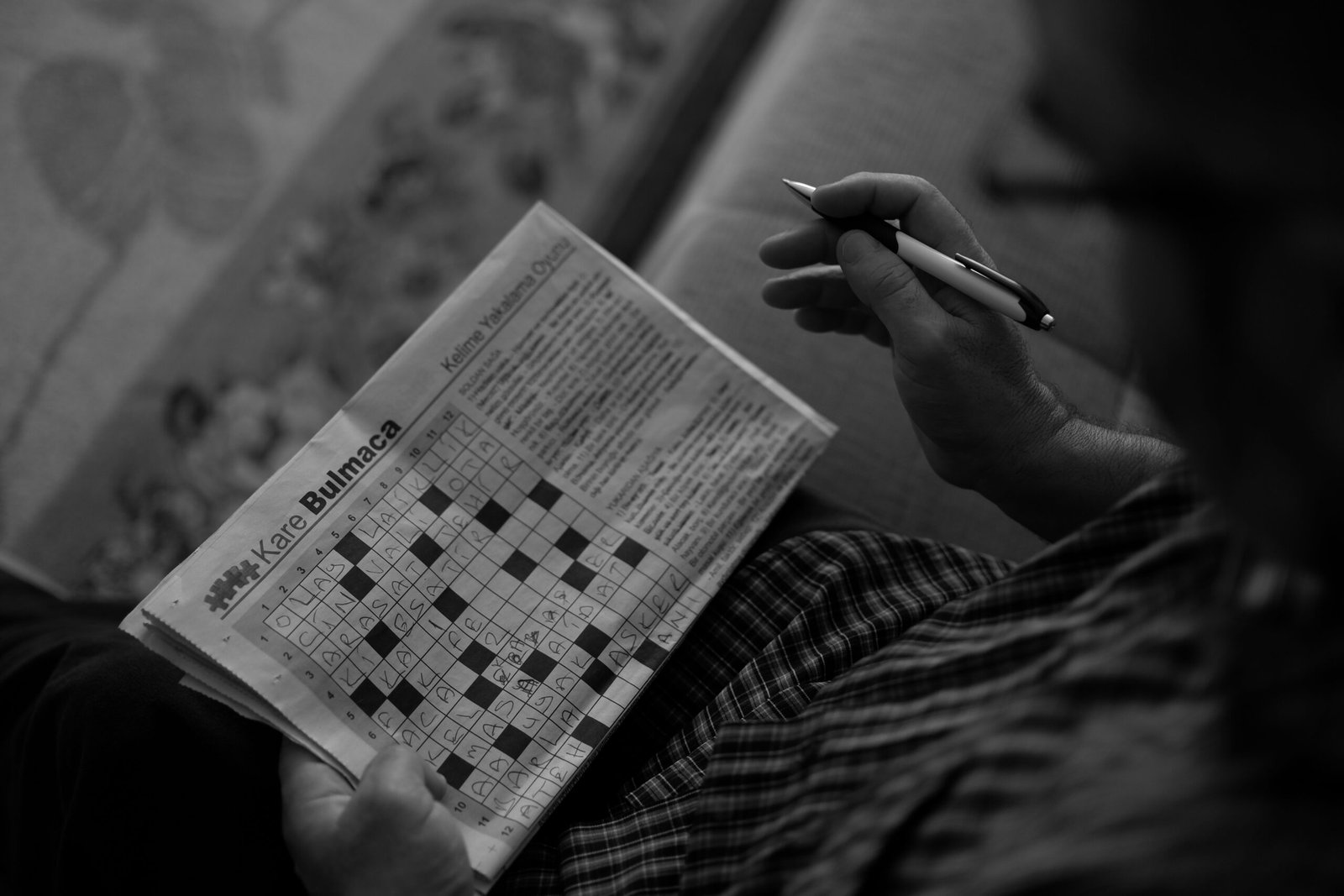
A people crossword can be one of the most interesting types of crossword puzzle because its clues can cover a remarkably wide range of subjects. Instead of focusing only on ordinary vocabulary, a people-themed crossword may ask about famous actors, musicians, athletes, historical figures, political leaders, writers, fictional characters, occupations, nicknames, or even everyday terms used to describe groups of people. This variety makes a people crossword both entertaining and challenging. A clue that appears simple at first can become difficult when several possible names or descriptions seem to fit the available spaces. The key to solving these puzzles successfully is learning how to recognize clue patterns, use crossing letters, understand wordplay, and avoid committing too early to an answer.

For beginners, people crossword clues can sometimes feel harder than clues involving common objects, places, or definitions. Names may have unusual spellings, abbreviated forms, initials, or references to events that are not immediately familiar. Experienced solvers, however, learn that crossword puzzles have their own language and conventions. The number of letters, grammatical form, tense, abbreviations, and crossing answers can provide valuable information even when the subject of the clue is unfamiliar. This guide explains how to approach a people crossword puzzle, how to work through difficult clues, how to use surrounding answers, and how to improve your solving skills without relying on random guesses.

What Is a People Crossword?

A people crossword is a crossword puzzle that contains clues or answers connected to people. The word “people” can refer to actual individuals, groups, professions, relationships, titles, or descriptions of human beings. Depending on the puzzle, you might encounter clues about celebrities, historical personalities, sports stars, authors, musicians, television personalities, political figures, scientists, artists, or fictional characters. Other clues may simply ask for words such as “teacher,” “parent,” “neighbor,” or “citizen.” Because the category is broad, the exact difficulty of a people crossword depends heavily on the puzzle’s theme and the knowledge required by its clues.

One reason this puzzle format is appealing is that it combines general knowledge with traditional crossword mechanics. A solver does not necessarily need to recognize every person mentioned in a puzzle. Even if a particular name is unfamiliar, crossing letters can reveal most of the answer. For example, if a clue asks for a five-letter surname and the grid provides three letters, the possible answers become much more limited. In this way, the crossword grid itself acts as a source of information. Understanding how to use that information is often more important than knowing every famous person in history.

Why People Crossword Puzzles Can Be Challenging

The biggest challenge with a people crossword is that names do not always behave like ordinary vocabulary. A common word usually has a recognizable definition and a relatively predictable spelling, while a person’s name may have multiple spellings, unusual vowels, shortened forms, initials, or a surname that is much more recognizable than the first name. A clue might also refer indirectly to someone rather than simply providing an obvious description. This means that solvers need to think beyond straightforward definitions.

Another challenge is the changing nature of popular culture. A puzzle published decades ago may contain names that were extremely recognizable at the time but are less familiar to modern readers. Conversely, a newer puzzle might mention contemporary entertainers, athletes, online personalities, or public figures who were not widely known in previous generations. This is one reason a broad knowledge base can be useful, but it is not essential. Good crossword technique allows you to solve many clues through structure and deduction rather than pure memory.

How to Solve People Crossword Clues

The best way to approach people crossword clues is to begin with the clues that seem easiest. Do not feel obligated to solve the puzzle from the first clue to the last. Crossword grids are designed so that answers help reveal other answers, creating a chain of deductions. Start with straightforward clues where you are confident about the answer, enter those words into the grid, and then return to the more difficult clues. The letters you gain from the completed answers can dramatically reduce the possibilities for unfamiliar names.

Pay close attention to the wording of every clue. Crossword clues are usually carefully constructed, and small details can provide important information. If the clue is written in the past tense, the answer may need to be in the past tense. If the clue appears to be plural, the answer may also be plural. A question mark can sometimes signal wordplay or a less literal interpretation. Abbreviations may also be indicated by the wording of the clue. Recognizing these conventions can turn an apparently impossible clue into a manageable one.

Use Crossing Letters to Find People Crossword Answers

Crossing letters are among the most powerful tools available to anyone working on a people crossword puzzle. Suppose you have a clue asking for a person’s surname and the answer has seven letters. If you know the second, fourth, fifth, and seventh letters because of completed crossing answers, you can often identify the name even if you did not initially recognize the clue. This is why it is usually better to leave an uncertain answer blank rather than forcing a guess that could interfere with several other answers.

Crossing letters are particularly valuable when dealing with famous names. A clue might immediately remind you of several possible people, but the grid can tell you which one is correct. For instance, if three well-known people could fit the general description, the pattern of letters may eliminate two of them. The crossword is therefore not simply a test of memory; it is a logical system in which every correct answer provides evidence for other answers.

Learn Common Crossword Abbreviations

Many people crossword clues use abbreviations because crossword grids have limited space. Titles, professional positions, organizations, and names may appear in shortened forms. Common abbreviations can include titles such as “Mr.,” “Dr.,” or “Rev.,” depending on the puzzle’s conventions. You may also encounter shortened occupational terms, initials, or abbreviated names.

The exact conventions vary between crossword publications, so it is useful to become familiar with the style of the puzzle you are solving. If a clue seems oddly short or strangely worded, consider whether it may be asking for an abbreviation rather than a complete word. This simple habit can save considerable time.

Famous People in Crossword Puzzles

Famous people are a natural subject for people crossword puzzles because their names can provide distinctive answers. Historical figures, entertainers, athletes, writers, scientists, artists, and political leaders are all common possibilities. However, fame is relative, and a crossword clue may assume knowledge from a particular field or era.

When solving a clue about a famous person, first identify the category. Ask yourself whether the clue appears to refer to an actor, singer, athlete, author, historical figure, politician, scientist, or another type of public figure. Then consider the length of the answer and any known letters. If the clue includes a date, location, profession, famous work, team, film, book, or achievement, use that information to narrow the possibilities.

People Crossword Clues About Occupations

Not every people crossword clue is about a famous individual. Many clues describe people by their occupations or roles. Examples might involve professions, trades, family relationships, social roles, or positions within an organization. These clues are often easier because the answer is a general vocabulary word rather than a proper name.

When encountering this type of clue, think about synonyms. Crossword constructors frequently choose a word that is slightly different from the first answer that comes to mind. If “doctor” does not fit the grid, possibilities such as “physician” or another related term may be worth considering, depending on the number of spaces and crossing letters. The answer must fit both the clue’s meaning and the grid’s structure.

Pay Attention to the Number of Letters

The length of an answer is one of the most useful pieces of information in any people crossword. A clue may seem to have several possible answers, but the number of spaces can immediately eliminate many choices. This becomes especially important with names, where a single letter can distinguish between several people with similar descriptions.

Always count the spaces carefully before deciding on an answer. If the clue asks for a surname and the grid requires eight letters, do not force a six-letter name simply because it is the first person you recognize. Likewise, if the clue requires a three-letter answer, think about initials, abbreviations, nicknames, or short forms. Crossword constructors deliberately use answer lengths to guide solvers.

Avoid Guessing Too Early

One of the most common mistakes in solving a people crossword puzzle is becoming attached to an answer before enough evidence exists. You might recognize a clue and immediately write down a name, only to discover later that one of the crossing answers does not work. This can create a chain of incorrect answers that makes the puzzle much harder to finish.

A better strategy is to treat uncertain answers as possibilities rather than facts. If you think a particular name is correct but only have one crossing letter, keep it tentative. As more letters appear, confirm or reject the answer. This approach keeps the grid flexible and prevents one questionable guess from creating several additional problems.

How Beginners Can Improve at People Crossword Puzzles

Beginners should focus on learning crossword-solving habits rather than trying to memorize hundreds of names. Start with easier puzzles and gradually move toward more difficult ones. When you encounter an unfamiliar answer, study it after completing the puzzle. Over time, repeated exposure to common crossword words, names, abbreviations, and clue structures will make future puzzles easier.

It can also help to keep a personal list of unfamiliar names and recurring crossword answers. You may notice that certain surnames, occupations, abbreviations, and cultural references appear repeatedly across different puzzles. Learning these patterns gives you an advantage because crossword construction often relies on a relatively familiar vocabulary of short, flexible answers.

How Experienced Solvers Approach Difficult Clues

Experienced solvers usually do not stare at one difficult clue indefinitely. Instead, they move around the grid and search for additional information. If an answer is unclear, they solve surrounding clues to obtain crossing letters and then return to the difficult clue. This process gradually transforms uncertainty into a pattern that is much easier to recognize.

Another useful technique is to reconsider the clue from different angles. A clue that appears to request a person’s name might actually be asking for a title, nickname, occupation, or word associated with that person. Similarly, a clue that seems to have an obvious literal meaning may use wordplay. Remaining flexible is one of the most important skills in advanced crossword solving.

Common Mistakes When Solving a People Crossword

A frequent mistake is assuming that every clue about a person must produce a person’s full name. Depending on the puzzle, the answer could be a first name, surname, nickname, title, profession, or another associated term. Another common mistake is ignoring grammar. Singular and plural forms, verb tense, and adjective forms can all matter. A technically related answer may still be incorrect if it does not match the grammatical structure of the clue.

Another problem is failing to use the grid as evidence. Crossword solving should be an interactive process in which answers continuously confirm one another. If an answer creates several impossible crossing letters, it is probably wrong even if it initially seemed convincing. Good solvers are willing to erase an answer and reconsider it when the evidence changes.

People Crossword Strategies for Faster Solving

Speed comes naturally with familiarity, but several techniques can make solving more efficient. Begin by scanning the entire puzzle and identifying clues that you can answer immediately. Fill those in first. Next, use the resulting letters to solve medium-difficulty clues. Leave the most obscure names and wordplay clues until you have more information.

It is also helpful to recognize recurring clue patterns. If you frequently solve crosswords, you will encounter similar structures again and again. Learning how clues signal abbreviations, plurals, names, quotations, wordplay, and alternate meanings can save time. The goal is not to memorize every answer but to recognize the kind of thinking that each clue requires.

The Role of General Knowledge

General knowledge can certainly help with a people crossword, particularly when clues refer to historical figures, entertainment, sports, literature, or current culture. Reading widely can gradually expand the pool of names you recognize. However, crossword skill and general knowledge are not identical. A person with extensive knowledge can still struggle if they do not understand crossword conventions, while an experienced solver can often complete difficult puzzles despite not recognizing every reference.

The strongest approach combines both. Learn about the world while also learning how crossword clues work. When you encounter an unfamiliar person, use the available letters and contextual clues to make an educated deduction. This makes the puzzle feel less like a memory test and more like a logical investigation.

Using Crossword Answers as a Learning Tool

Looking at people crossword answers after finishing a puzzle can be educational. Instead of simply checking whether you were right or wrong, examine why each answer worked. If you missed a person’s name, learn who that person was and why they were relevant to the clue. If you missed an abbreviation, make a note of it. If the answer depended on wordplay, study how the clue was constructed.

This turns every puzzle into practice for the next one. Over time, you will develop a personal mental database of names, phrases, abbreviations, and clue types. The result is greater confidence and faster solving.

Conclusion

A people crossword combines general knowledge, vocabulary, logic, and wordplay in a way that can be both challenging and rewarding. Although clues involving names and public figures may initially appear intimidating, the crossword grid provides powerful assistance through answer length and crossing letters. By starting with easy clues, paying attention to grammar, recognizing abbreviations, using crossing answers, and remaining willing to revise uncertain guesses, beginners can steadily become more capable solvers.

The most important lesson is that you do not need to know every person mentioned in a puzzle to solve it. Effective crossword solving is about gathering clues, testing possibilities, and allowing the grid to confirm your conclusions. Whether you enjoy casual puzzles or want to become an advanced solver, practicing people crossword clues, studying unfamiliar answers, and recognizing recurring patterns can make each new puzzle easier and more enjoyable.

Frequently Asked Questions About People Crossword

What is a people crossword?

A people crossword is a crossword puzzle containing clues related to people. The answers may include famous individuals, occupations, titles, names, nicknames, historical figures, or other words associated with human beings.

How do I solve difficult people crossword clues?

Start with the easiest clues and use their answers to obtain crossing letters. Then use the letter pattern, answer length, clue grammar, and subject category to narrow down the possibilities. Avoid committing to uncertain names too early.

Why are people crossword clues sometimes difficult?

Names can have unusual spellings, multiple possible answers, abbreviations, nicknames, or references to people from specialized fields. The puzzle may also assume knowledge of a particular period, profession, sport, entertainment category, or historical subject.

Are people crossword answers always names?

No. A people-themed clue may produce a first name, surname, nickname, occupation, title, relationship, group description, or another word connected with people.

What is the best strategy for a people crossword puzzle?

The most effective strategy is to solve the clues you know first, enter those answers into the grid, and then use the resulting crossing letters to solve harder clues. Always consider the number of letters and the exact wording of the clue.

Can beginners solve people crossword puzzles?

Yes. Beginners can successfully solve people crossword puzzles by starting with easier grids and gradually learning common crossword conventions, abbreviations, vocabulary, and recurring names. Practice is one of the best ways to improve.

Should I use crossword answer tools?

Answer tools can be useful when you are completely stuck, but using them for every difficult clue can limit learning. A better approach is to attempt the clue using crossing letters and deduction first, then check the answer afterward to learn from it.

How can I get faster at solving people crossword clues?

Practice regularly, learn common crossword patterns, build familiarity with names and abbreviations, and use crossing letters efficiently. With repeated practice, you will recognize clue structures more quickly and spend less time on difficult answers.


Continue Reading

Blog

Michigan Man $1M Lottery Win: What Happened and How the Million-Dollar Prize Was Won

Published

on

Michigan Man $1M Lottery Win

The phrase “Michigan man $1M lottery” has attracted attention because multiple Michigan residents have recently claimed million-dollar lottery prizes through different games and circumstances. In March 2026, for example, a 31-year-old Kent County man won $1 million after purchasing an Electric 100s scratch-off ticket at a Cedar Springs gas station. Around the same period, a 48-year-old Jackson County man won $1 million playing the Michigan Lottery’s Millionaire Maker instant game after regularly buying one ticket each week. Another Michigan resident, a 56-year-old man from Saline, won $1 million through Powerball after matching all five white-ball numbers in a December 2025 drawing.

These stories demonstrate why searches for Michigan man $1M lottery can refer to more than one news report. The details vary depending on the lottery game, ticket type, location, and winner. Some million-dollar prizes have come from instant scratch-off games, while others have resulted from draw games such as Powerball. Understanding the differences is important for readers who want to know exactly what happened, how the winners discovered their prizes, what they planned to do with the money, and how large Michigan Lottery prizes are claimed.

Michigan Man Wins $1 Million After a Late-Night Gas Station Visit

One of the notable 2026 stories involved a 31-year-old man from Kent County who turned a routine late-night stop into a $1 million lottery win. According to CBS Detroit, the man visited a Wesco gas station in Cedar Springs to cash a previously winning lottery ticket. After winning $20 on that earlier ticket, he used $10 to purchase an Electric 100s scratch-off ticket. He scratched the new ticket at the store and discovered that it carried a $1 million prize.

The circumstances of the win helped make the story particularly memorable. The winner reportedly said that he began screaming after realizing what he had won and noted that there were no other people in the store at the time. Rather than receiving the advertised $1 million as a single cash payment, he chose the available lump-sum option, which amounted to approximately $693,000 before applicable taxes. He said he planned to purchase a new vehicle and save the remainder of his winnings.

This story illustrates an important point about lottery headlines: the advertised prize and the amount actually selected or received can be different. A lottery may advertise a prize as $1 million while offering a particular payment structure, and taxes can further affect the amount a winner ultimately keeps. Therefore, readers searching for information about a Michigan $1 million lottery winner should look beyond the headline and examine the game’s specific prize rules and the winner’s chosen payment option.

Another Michigan Man Won $1 Million With a Millionaire Maker Ticket

Another recent story involved a 48-year-old man from Jackson County who won $1 million playing the Michigan Lottery’s Millionaire Maker instant game. According to local reporting, the man had been purchasing one Millionaire Maker ticket every week since the game was introduced. On the winning ticket, he first scratched the “Your Numbers” section and discovered that the number 44 had a $1 million prize underneath it. He then scratched the “Winning Numbers” section and found that 44 was one of the winning numbers.

The winning ticket was purchased at Lakeside Convenience Store in Michigan Center, roughly five miles east of Jackson. Like the Kent County winner, this player chose to receive his $1 million prize as a one-time lump-sum payment of approximately $693,000. His stated plan was to save the money for retirement. The Michigan Lottery reported that the Millionaire Maker game had launched in September 2025 and had already produced substantial prize winnings.

The story also highlights how instant lottery games differ from traditional draw games. A scratch-off ticket produces its result when the ticket is played, whereas games such as Powerball depend on a scheduled drawing. Scratch-off games can therefore generate dramatic moments when a player discovers a major prize directly on the ticket. At the same time, every lottery game has its own rules, prize structure, odds and remaining prizes, so readers should consult official Michigan Lottery information rather than assuming that one game’s conditions apply to another.

Michigan Man Also Won $1 Million Through Powerball

The Michigan man $1M lottery search can also relate to a separate Powerball story. In January 2026, local reporting identified Brian Bauer, a 56-year-old man from Saline in Washtenaw County, as the winner of a $1 million Powerball prize from the December 10 drawing. Bauer matched all five white-ball numbers—10, 16, 29, 33 and 69—but did not match the Powerball number.

Unlike the scratch-off winners, Bauer purchased his Powerball ticket online. He discovered the win after receiving an email from the Michigan Lottery and logging into his account. The account showed that he had won $1 million. He said he planned to share the money with family and friends. The Powerball drawing is held three times each week, on Monday, Wednesday and Saturday.

This distinction matters for anyone researching Michigan Lottery $1M winners. A $1 million Powerball prize is not necessarily the same type of prize as a $1 million instant-game prize. The method of winning, ticket purchase process, drawing schedule, prize structure and claim procedure can all differ.

Why Michigan Lottery Stories Attract So Much Attention

Million-dollar lottery stories naturally attract attention because they combine ordinary circumstances with an unusually large financial outcome. A person may buy a ticket during a routine shopping trip, purchase a scratch-off as part of a weekly habit, or enter a draw game online without knowing that the ticket will eventually become worth hundreds of thousands or potentially millions of dollars. The stories of Michigan winners show several different versions of this experience.

The Kent County winner purchased his winning ticket after cashing a smaller winning ticket, while the Jackson County winner had been purchasing the same type of ticket regularly. The Saline Powerball winner purchased tickets online and discovered his prize through his Michigan Lottery account. These different circumstances demonstrate that there is no single “Michigan man lottery winner” story. Instead, several unrelated winners can generate similar headlines and search queries.

What Does a $1 Million Lottery Prize Actually Mean?

A headline stating that a Michigan man won $1 million does not necessarily mean that the winner receives $1 million in cash deposited into a bank account. The exact payment depends on the lottery game and the available prize options. In the two recent Michigan scratch-off stories discussed above, both winners selected lump-sum payments of approximately $693,000 instead of receiving the advertised $1 million prize through another payment structure.

Taxes can also affect the amount a winner ultimately retains. Consequently, a responsible explanation of a $1M lottery winner Michigan story should distinguish the advertised prize from the selected payment amount and from the eventual after-tax amount. Readers should not assume that the figure in a news headline represents the final amount available for personal spending.

How Michigan Lottery Winners Claim Large Prizes

Claiming a large Michigan Lottery prize involves specific procedures. The Michigan Lottery says prizes of $100,000 or more must be claimed at Lottery Headquarters in Lansing. Winners need to schedule an appointment and provide the original winning ticket along with appropriate identification, including a valid government-issued photo ID and Social Security card.

For anyone who believes they have a Michigan lottery winning ticket, protecting the original ticket and following the official claim instructions are important steps. The Michigan Lottery’s official claim information should be treated as the authoritative source because procedures can vary according to prize amount and ticket type. Winners should also be cautious about sharing ticket details publicly before understanding the applicable rules and should use official lottery channels when verifying a prize.

What Winners Say They Plan to Do With Their Money

The plans described by recent Michigan winners provide another interesting part of these stories. The Kent County winner said he intended to purchase a new vehicle and save the remaining money. The Jackson County winner planned to save his winnings for retirement, while the Saline Powerball winner said he intended to share the money with family and friends.

These plans demonstrate that there is no single approach to managing a large lottery prize. Some winners may prioritize immediate purchases, while others may focus on saving, retirement planning or helping relatives. The important point is that a lottery headline describes the size of the prize, but it does not automatically describe the winner’s financial circumstances, taxes, expenses or long-term financial position.

Michigan Lottery Scratch-Off Games Explained

Scratch-off games are a major source of lottery news in Michigan because winners can discover prizes immediately after purchasing and scratching a ticket. Games can have different ticket prices, prize structures and numbers of remaining prizes. A $1 million prize from one scratch-off game should therefore not be assumed to have the same odds or rules as a $1 million prize from another game.

The recent Millionaire Maker story is one example. The game offered a range of prizes, including million-dollar prizes, and the winner discovered his prize by matching the number shown in the game’s relevant sections. Readers interested in current scratch-off games should check the Michigan Lottery’s official information for current prize availability rather than relying on an older news article.

Michigan Man $1M Lottery: What Readers Should Know

The most important takeaway from the Michigan man $1M lottery topic is that multiple Michigan residents can independently win prizes of the same headline value. The March 2026 Kent County story involved an Electric 100s scratch-off ticket, while the Jackson County story involved Millionaire Maker, and the Saline story involved Powerball.

Because the stories involve different games and different people, readers should check the date, county, lottery game and retailer mentioned in an article before assuming that two reports describe the same winner. This is especially useful when searching for terms such as Michigan man wins $1 million lottery, Michigan $1 million lottery winner, Michigan man lottery winner, or Michigan Lottery $1M winner.

Conclusion

The phrase “Michigan man $1M lottery” represents a group of recent Michigan lottery stories involving million-dollar prizes rather than necessarily referring to one individual. Recent reports include a Kent County man who won $1 million on an Electric 100s scratch-off, a Jackson County man who won $1 million playing Millionaire Maker, and a Saline man who won $1 million through Powerball. Each story has its own ticket, game, winning circumstances and plans for the prize.

For readers interested in Michigan lottery news, the best way to understand these stories is to pay attention to the specific game, date, location, prize structure and claim method. A $1 million headline can sound straightforward, but the actual payment option, taxes and claiming requirements can make the financial details more complicated. Official Michigan Lottery information remains the best place to verify current games, prizes and claim procedures.

Frequently Asked Questions

Who is the Michigan man who won $1 million in 2026?

There have been multiple Michigan men who won $1 million prizes in 2026. One was a 31-year-old Kent County man who won $1 million on an Electric 100s scratch-off ticket, while another was a 48-year-old Jackson County man who won $1 million playing Millionaire Maker.

How did the Michigan man win the $1M lottery prize?

The answer depends on which story is being referenced. The Kent County winner bought an Electric 100s scratch-off ticket at a Cedar Springs gas station after cashing a smaller winning ticket. The Jackson County winner purchased a Millionaire Maker ticket as part of his regular weekly routine.

Did the Michigan lottery winners receive the full $1 million in cash?

Not necessarily. The Kent County and Jackson County winners both chose one-time lump-sum payments of approximately $693,000 rather than receiving the advertised $1 million through another payment option. Applicable taxes can further affect the amount a winner ultimately keeps.

Where was the $1 million scratch-off ticket purchased?

The Kent County winner purchased his Electric 100s ticket at the Wesco gas station at 211 North Main Street in Cedar Springs. The Jackson County Millionaire Maker winner purchased his ticket at Lakeside Convenience Store in Michigan Center.

Can a $1 million Michigan Lottery prize be claimed at any retailer?

No. Michigan Lottery states that prizes of $100,000 or more must be claimed at Lottery Headquarters in Lansing, with an appointment and the required identification and documentation.

Was there also a Michigan $1 million Powerball winner?

Yes. Brian Bauer of Saline won a $1 million Powerball prize from the December 10, 2025 drawing after matching the five white-ball numbers.

What should someone do after discovering a major lottery win?

A winner should protect the original ticket, verify the prize through official Michigan Lottery channels and follow the applicable claim instructions. For prizes of $100,000 or more, the Michigan Lottery requires the claim to be made at its Lansing headquarters.

Where can readers verify Michigan Lottery prize information?

Readers should use official Michigan Lottery resources for current games, prize information, claim requirements and other official details, particularly because scratch-off games and remaining prizes can change over time.

Continue Reading

Blog

Michelle Randolph Biography: Career, Movies, TV Shows and Rise to Fame

Published

on

Michelle Randolph

Michelle Randolph has become a recognizable name among television and film audiences through a combination of modeling, television drama, and increasingly prominent film roles. Born in California in 1997, Randolph began her professional journey in modeling before moving further into acting. Her career gained significant attention after she was cast as Elizabeth Strafford in Taylor Sheridan’s 1923, where she appeared alongside major performers including Harrison Ford and Helen Mirren. She subsequently joined Landman, another Taylor Sheridan production, playing Ainsley Norris, and later appeared in Scream 7. These projects have helped establish Michelle Randolph as a young actress whose career is expanding across television and film.

Who Is Michelle Randolph?

Michelle Randolph is an American actress and model whose entertainment career began before her most widely recognized television performances. She was born on September 11, 1997, in California and grew up in the state before attending Arizona State University, where she studied film and media studies and graduated in 2023. Her early professional experience included modeling, and she signed with Wilhelmina Models in 2016. Acting eventually became a major part of her career, with early credits including House of the Witch, A Snow White Christmas, and 5 Years Apart. Her later television work gave her a substantially larger platform and introduced her to international audiences.

Michelle Randolph and 1923

One of the defining projects in Michelle Randolph’s career has been 1923, the Yellowstone prequel created by Taylor Sheridan. Randolph portrayed Elizabeth Strafford, a young woman whose story becomes closely connected with the Dutton family. The role placed her opposite established stars such as Harrison Ford and Helen Mirren and required her to work within the demanding historical setting of the series. Randolph has discussed the extensive preparation involved in joining the production, including learning horseback riding for the role. Her performance in 1923 became an important step in her transition from emerging actress to a performer with a major television credit.

The significance of 1923 for Randolph’s career extends beyond simply being a popular television role. The production gave her the opportunity to work within one of television’s most recognizable modern Western franchises while developing a character with an extensive emotional journey. Her Elizabeth Strafford performance required her to portray a woman dealing with relationships, hardship, uncertainty, and the difficult realities of life in the early twentieth century. Randolph has also spoken about the experience of working alongside Ford and Mirren, describing the environment as an extraordinary opportunity early in her television career.

Michelle Randolph in Landman

After 1923, Randolph continued her association with Taylor Sheridan by joining Landman. In the series, she plays Ainsley Norris, the daughter of Tommy Norris, portrayed by Billy Bob Thornton. Landman shifts away from the historical Western setting of 1923 and focuses on the contemporary oil industry in West Texas. This allowed Randolph to demonstrate a different side of her acting abilities and work with another major ensemble cast.

Randolph has explained that preparing for Ainsley involved developing the character carefully and working on her Texas accent with a dialect coach. She also immersed herself in aspects of Texas culture to make the character feel authentic. Her performance demonstrates how her career has expanded from historical drama into contemporary television, giving audiences an opportunity to see her handle substantially different characters and settings.

Michelle Randolph Movies and Other Acting Work

Although television has played a particularly important role in Randolph’s rise to recognition, her filmography also includes several projects. Her early acting credits included House of the Witch in 2017 and A Snow White Christmas in 2018, followed by 5 Years Apart in 2019 and The Resort in 2021. She also appeared in The Throwback and later took a role in Scream 7, expanding her work into another major film franchise.

Her film and television choices show a career that has gradually broadened rather than relying on one particular genre. Beginning with smaller productions and modeling, Randolph moved into a high-profile historical drama, then a contemporary television series, and subsequently major film work. This progression has made her career particularly interesting to audiences who first discovered her through 1923 or Landman and want to learn more about her earlier projects.

Michelle Randolph’s Modeling Background

Before becoming widely known as an actress, Randolph had experience in modeling. She signed with Wilhelmina Models in 2016, giving her an early introduction to the professional entertainment industry. Modeling provided experience in front of cameras and within fashion and commercial environments, while acting eventually became the central focus of her career.

The transition from modeling to acting is a path followed by many performers, but Randolph’s career illustrates how the two areas can complement each other. Her modeling experience gave her familiarity with professional sets and visual storytelling, while her film and media studies education provided an academic foundation connected to the entertainment industry. Her subsequent television roles allowed her to develop beyond visual presentation and concentrate on character development and performance.

Michelle Randolph’s Education and Early Life

Randolph grew up in California and later attended Arizona State University, where she studied film and media studies. She completed her degree in 2023, even as her acting career was already developing through her work in 1923. Her education is notable because it connects directly with the industry in which she eventually established herself.

Her family has also attracted public attention because her older sister is Cassie Randolph, who became known through The Bachelor. The Randolph sisters have both pursued careers connected to entertainment and entrepreneurship, although their professional paths have developed in different directions. Michelle has concentrated primarily on acting and modeling, while Cassie became known through reality television and other ventures.

What Makes Michelle Randolph’s Career Interesting?

Michelle Randolph’s career is notable for the relatively quick transition from early modeling and smaller acting projects into prominent television productions. Her role in 1923 introduced her to a large audience, while Landman demonstrated that she could move into a contemporary dramatic setting. Her participation in Scream 7 further expanded her filmography and connected her with another established entertainment franchise.

Another interesting aspect of Randolph’s career is her repeated collaboration with Taylor Sheridan. After appearing in 1923, she returned to Sheridan’s television world with Landman. In interviews, Randolph has discussed the appeal of Sheridan’s character-driven storytelling and the collaborative environment surrounding his productions. Her growing association with these projects has consequently become an important part of how audiences understand her professional development.

Michelle Randolph’s Growing Hollywood Profile

As Randolph has taken on increasingly prominent roles, interest in her professional life has naturally expanded. Entertainment publications have profiled her career, her work on 1923 and Landman, and her transition from modeling into acting. At the same time, Randolph has emphasized her interest in acting and character work rather than allowing celebrity attention to become the sole focus of her public identity.

Her career demonstrates how a performer can build recognition gradually through several different forms of entertainment work. Instead of appearing suddenly in a major production without previous experience, Randolph spent years working in modeling and smaller acting projects before landing the role that significantly changed the scale of her career. That background provides useful context for understanding why 1923 and Landman became such important milestones.

Conclusion

Michelle Randolph has developed an increasingly visible career through modeling, television, and film. From her early work with Wilhelmina Models and smaller acting projects to her breakthrough as Elizabeth Strafford in 1923, she has steadily built professional experience. Her subsequent role as Ainsley Norris in Landman gave her another major television opportunity, while Scream 7 added an important film credit to her growing résumé.

Today, Michelle Randolph is best recognized for the combination of these projects and for her continued development as an actress. Her career remains closely associated with the modern television work of Taylor Sheridan, while her film appearances demonstrate an expanding range of opportunities. For audiences discovering her through 1923, Landman, or Scream 7, her earlier modeling and acting history provides useful context for understanding how she reached her current position in the entertainment industry.

Frequently Asked Questions

Who is Michelle Randolph?

Michelle Randolph is an American actress and model known particularly for her roles as Elizabeth Strafford in 1923 and Ainsley Norris in Landman. She has also appeared in several films, including Scream 7.

What is Michelle Randolph famous for?

She is best known for her television roles in 1923 and Landman. Her work in Scream 7 has also expanded her recognition as a film actress.

Who did Michelle Randolph play in 1923?

Michelle Randolph played Elizabeth Strafford, a major character connected to the Dutton family storyline.

Who does Michelle Randolph play in Landman?

She plays Ainsley Norris, the daughter of Tommy Norris, portrayed by Billy Bob Thornton.

Did Michelle Randolph work as a model?

Yes. Randolph signed with Wilhelmina Models in 2016 before developing her acting career.

What did Michelle Randolph study?

She studied film and media studies at Arizona State University and graduated in 2023.

What movies has Michelle Randolph appeared in?

Her film credits include 5 Years Apart, The Resort, The Throwback, and Scream 7, along with earlier television-film projects.

Is Michelle Randolph related to Cassie Randolph?

Yes. Michelle Randolph is the younger sister of Cassie Randolph, who became widely known through The Bachelor.

Continue Reading

Trending