Tech
Ciulioneros: Unmasking the Digital Phenomenon and Cultural Movement


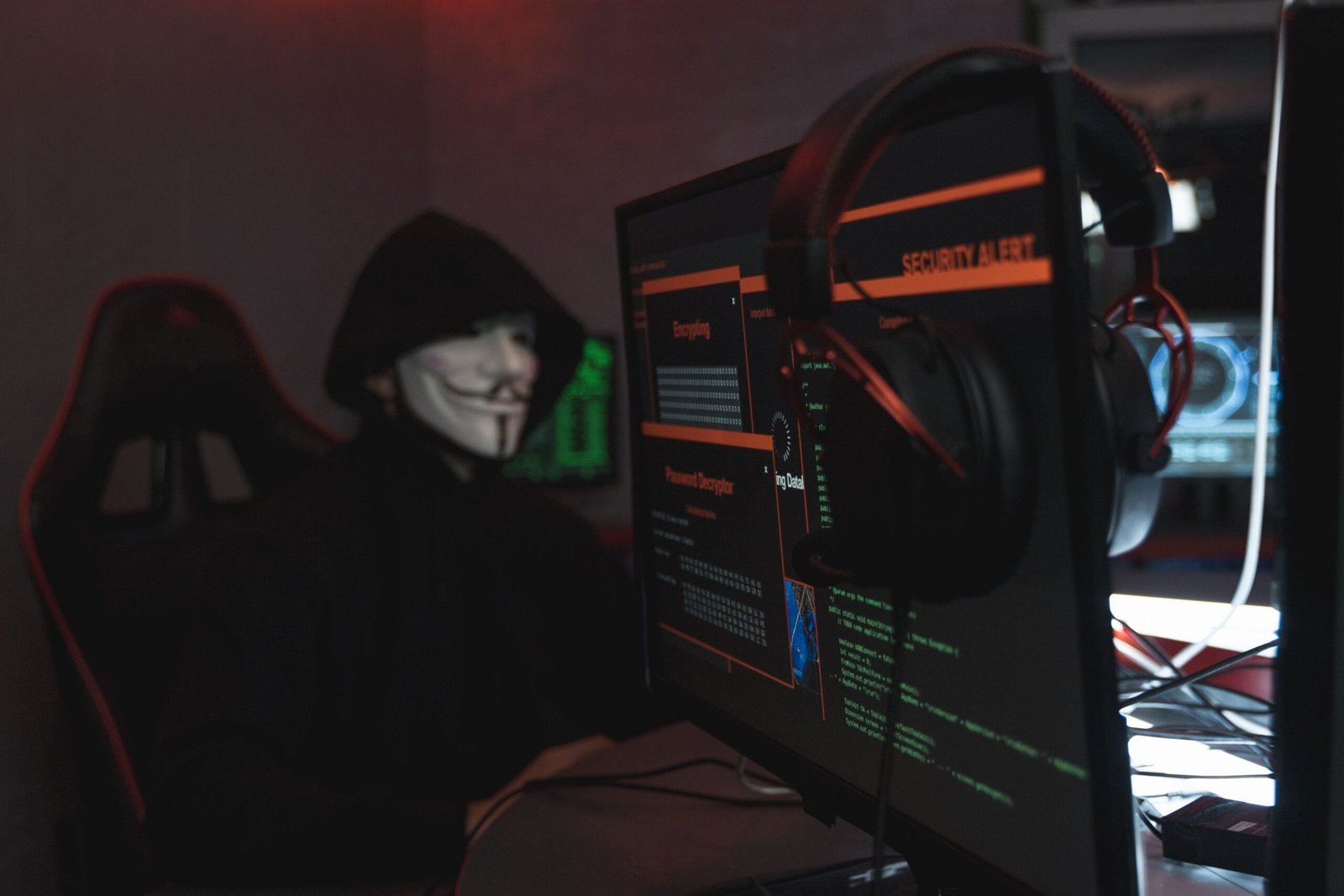
The phrase “frappening forum” is connected to one of the most widely discussed privacy controversies of the modern internet: the large-scale circulation of private photographs belonging to celebrities after accounts were unlawfully accessed. The broader event became popularly associated with the name “The Fappening,” a term that spread rapidly across social media, online communities, news discussions, and internet culture during the 2010s. When people search for frappening forum, they may be looking for information about the history of the term, the online communities that discussed the controversy, or the broader changes that followed in attitudes toward digital privacy and cybersecurity. It is important, however, to distinguish historical discussion from participation in the distribution of private material. The central issue was not simply celebrity culture or internet gossip; it involved personal photographs being obtained and circulated without the permission of the people depicted. That distinction is essential for understanding why the subject remains relevant when discussing cybersecurity, online consent, digital ethics, and the responsibilities of internet communities.
What Does Frappening Forum Mean?
The term frappening forum is not the name of one universally recognized official organization or historical institution. Instead, it is better understood as a search phrase associated with online forums and communities that discussed the broader Fappening controversy. The word “Fappening” itself became an internet nickname for the 2014 celebrity photo-leak scandal, while “forum” refers more generally to discussion spaces where users exchanged information, commentary, rumors, opinions, and links. Because online communities changed frequently, individual websites and forums could disappear, change names, migrate to different platforms, or be removed by their operators. Consequently, it is more useful to study the phrase as part of internet history than to treat frappening forum as the name of one permanent website. This distinction also helps explain why search results associated with the term can vary considerably depending on the period, platform, and meaning intended by the person searching.
The Background Behind the Fappening
The background to the term can be traced to the growing popularity of smartphones, cloud storage, social networking, and online photo synchronization during the early 2010s. People increasingly stored personal photographs and other sensitive information on internet-connected services, making account security an increasingly important issue. In 2014, a large collection of private celebrity photographs was circulated online after attackers obtained access to accounts. The incident quickly became an international news story and triggered discussions about password security, phishing, cloud storage, two-factor authentication, and the responsibilities of websites and users. The FBI has subsequently documented cases showing how criminals targeted celebrity accounts through phishing and other forms of unauthorized access. In one later case, investigators said victims were deceived into providing account credentials, demonstrating how social engineering can expose information stored in cloud accounts.
Why Did Frappening Forums Become Part of Internet History?
Online forums have long played an important role in the development of internet culture. Before modern social-media platforms became dominant, forums allowed users to gather around particular subjects, exchange opinions, post commentary, and create communities with their own terminology and traditions. During major online controversies, forums can become places where information spreads rapidly, although the information shared may not always be accurate, ethical, or legally obtained. The frappening forum phenomenon belongs to this larger history of online communities responding to controversial events. Some communities focused on gossip and celebrity culture, while others discussed cybersecurity, privacy, technology, or the legal implications of distributing private material. Looking back at these communities is therefore useful not because of the private photographs themselves, but because they demonstrate how internet platforms can amplify controversial events and how quickly information can move between anonymous users, social networks, image hosts, and mainstream media.
The Role of Cybersecurity in the Story
One of the most important lessons associated with the frappening forum discussion is that digital privacy depends on more than simply keeping a device physically secure. Online accounts can contain years of personal information, including photographs, documents, conversations, contacts, and backups. Attackers may attempt to obtain access through stolen passwords, phishing messages, reused credentials, compromised accounts, or other forms of social engineering. The FBI has specifically warned that cloud-based services can contain sensitive information and that criminals may target users by attempting to obtain login credentials. Its guidance emphasizes practices such as using multifactor authentication, avoiding suspicious requests for passwords, and being cautious about information shared publicly online.
How the 2014 Incident Changed the Privacy Conversation
The 2014 controversy became significant partly because it changed how the public discussed the security of personal information stored online. Cloud services had already become an ordinary part of everyday technology, but the incident demonstrated to many people that convenience and privacy had to be considered together. Consumers began paying greater attention to passwords, account recovery systems, two-factor authentication, and the security of personal photographs. Technology companies also faced increased public scrutiny concerning account protection and security practices. Although no online system can eliminate every possible risk, the event helped make digital privacy a mainstream topic rather than a concern limited to cybersecurity professionals. The historical significance of the frappening forum topic therefore extends beyond celebrity news: it forms part of a broader story about how society learned to think differently about private information in the cloud.
The Difference Between Discussion and Distribution
An important distinction when discussing frappening forum history is the difference between talking about an event and distributing private material obtained without consent. Historical discussion, journalism, cybersecurity education, and legal analysis can examine what happened without reproducing or directing readers toward intimate images. By contrast, seeking out, reposting, archiving, or distributing non-consensually obtained intimate material can further the original privacy violation. This is particularly important because content copied to multiple websites can become extremely difficult to remove completely. A responsible discussion of the subject should therefore concentrate on the history of the incident, the technology involved, the legal and ethical questions it raised, and the lessons it provides for internet users.
Why Online Forums Matter in Internet History
The history of frappening forum discussions also illustrates the complicated role of online communities. Forums can help people find information, discuss breaking events, challenge inaccurate claims, and develop communities around shared interests. At the same time, anonymity and rapid sharing can encourage behavior that would be less likely in traditional public settings. When controversial material appears online, the community surrounding it can influence whether the material disappears quickly or continues circulating for years. This makes moderation, platform policies, reporting systems, and user responsibility important parts of the story. The Fappening controversy became an example of how a digital event can move across many different parts of the internet, demonstrating the enormous difficulty of controlling information once it has been copied and redistributed.
The Legal and Ethical Issues
The ethical questions surrounding the frappening forum topic are especially important because the people depicted in the photographs did not consent to their public distribution. A private photograph does not become public property simply because someone manages to obtain it. The unauthorized acquisition and dissemination of personal material raises questions involving computer crime, privacy, harassment, consent, and the responsibilities of websites and individual users. The FBI’s 2014 investigation into another website involving stolen intimate photographs illustrates that unauthorized access to accounts and subsequent publication of private images can become a federal criminal matter. In that case, authorities alleged that email accounts were unlawfully accessed to obtain photographs that were then posted without the victims’ consent.
How the Meaning of the Term Has Changed
Internet terminology often changes as communities grow, disappear, and migrate between platforms. The term frappening forum may therefore mean something different to different users. Someone researching internet history may use it to refer to forums that discussed the 2014 controversy. Another person may use it as a generic search phrase for communities associated with the event. Because websites and online communities are temporary, historical references can also become confusing when old domains disappear or search engines index discussions without their original context. For this reason, anyone researching the subject should consider the date of a source, the reliability of the information, and whether the source is describing the event historically or attempting to direct readers toward inappropriate material.
Digital Privacy Lessons From the Fappening Era
The strongest modern lesson from the frappening forum history is that protecting personal information requires several layers of security. Users should avoid reusing passwords between important accounts, enable multifactor authentication wherever possible, review account-recovery options, and remain suspicious of unsolicited messages asking for credentials. The FBI has emphasized the importance of multifactor authentication and warned that attackers can use personal information, social-media details, and deceptive messages to make phishing attempts more convincing. Users should also review which applications have access to their accounts, remove access that is no longer necessary, and understand what information is synchronized automatically to cloud services.
Why the Topic Still Matters Today
Although the original controversy occurred more than a decade ago, the underlying privacy issues remain relevant. People now create and store considerably more personal material online, while artificial intelligence, cloud computing, social media, and automated synchronization have created new ways for personal information to spread. The basic principle has not changed: information being digitally accessible does not mean that it is ethically acceptable to access, copy, or redistribute it without permission. The history associated with frappening forum discussions therefore provides a useful case study for understanding the relationship between technology, privacy, consent, cybersecurity, and online culture.
Frappening Forum and Responsible Internet Research
Readers researching frappening forum should approach the topic as a historical and cybersecurity subject rather than as a way to locate private photographs. Reliable research should prioritize reputable journalism, court records, law-enforcement statements, cybersecurity publications, and historical analysis. It is also important to recognize that old forum posts can contain rumors, fabricated claims, misleading identities, or links to material that was never legitimately published. Search engines do not guarantee that every indexed page is accurate or appropriate. A strong informational article should therefore explain the history while avoiding the amplification of harmful or non-consensual material.
The Broader History of Online Privacy
The story surrounding the frappening forum belongs to a much wider transformation in the history of online privacy. In the early internet era, many users did not fully understand how permanent digital information could become. As social networks and cloud services expanded, personal photographs and conversations increasingly became part of digital ecosystems controlled by accounts, servers, applications, and third-party services. Security incidents involving celebrities helped demonstrate that highly valuable targets could attract sophisticated attacks, but ordinary users can also face phishing, account compromise, identity theft, and privacy violations. The lesson is therefore universal: digital privacy is not only a celebrity issue. Anyone who stores personal information online has an interest in understanding account security and responsible information sharing.
Conclusion
The history of the frappening forum is ultimately a story about the changing relationship between internet communities, personal privacy, cybersecurity, and digital culture. The term became associated with online discussions surrounding the 2014 celebrity photo-leak controversy, but its broader significance comes from the questions the event raised. How should private information be protected? What responsibilities do platforms and users have? What happens when personal material is copied and redistributed across countless websites? And how can people protect their accounts against phishing and unauthorized access? These questions remain important today. The most useful way to understand frappening forum history is therefore not to focus on the private material involved, but to examine the technological, cultural, ethical, and security lessons that emerged from the controversy. By treating the subject as a case study in digital privacy rather than a source of leaked content, readers can better understand why online security and consent remain fundamental parts of modern internet culture.
Frequently Asked Questions About Frappening Forum
What is the frappening forum?
Frappening forum is a search phrase generally associated with online discussion communities connected to the broader Fappening controversy. It should not automatically be understood as the name of one official or permanent website. Different online communities and platforms have discussed the event at different times.
What was the Fappening?
The Fappening was the popular internet name given to the 2014 circulation of private photographs belonging to numerous celebrities after accounts were unlawfully accessed. The incident generated extensive discussions about cybersecurity, cloud storage, privacy, consent, and online ethics.
Why is the frappening forum topic historically important?
The subject is historically important because it demonstrates how quickly private information can spread through online communities and how a cybersecurity incident can become a worldwide cultural event. It also contributed to greater public awareness of account security and digital privacy.
Was the material shared with the victims’ permission?
The controversy concerned private photographs that were circulated without the consent of the people depicted. That lack of consent is a central reason the incident is discussed as a major digital privacy and ethical controversy.
What cybersecurity lessons came from the incident?
Important lessons include using strong unique passwords, enabling multifactor authentication, being cautious about phishing attempts, reviewing account-recovery settings, and limiting unnecessary access to sensitive information. The FBI has specifically recommended multifactor authentication and caution around unsolicited requests for account credentials.
Is it appropriate to share private photographs found online?
Finding private material online does not make redistribution appropriate. Sharing intimate photographs without the depicted person’s permission can perpetuate the original privacy violation and may create legal consequences depending on the circumstances and jurisdiction.
Why do forums play such a major role in internet controversies?
Forums allow users to gather, discuss breaking events, exchange information, and create communities rapidly. However, the same characteristics can also allow misinformation or harmful material to spread quickly, making moderation and responsible participation important.
What can readers learn from the frappening forum history?
The most important lesson is that digital privacy should be treated seriously. Personal accounts contain valuable information, and users should protect them with strong authentication, careful security practices, and awareness of phishing and social engineering.
Tech
Missav.ws: Unveiling the Truth Behind the Controversial JAV Piracy Site – Is It Safe, Legal, or a Risky Gamble?
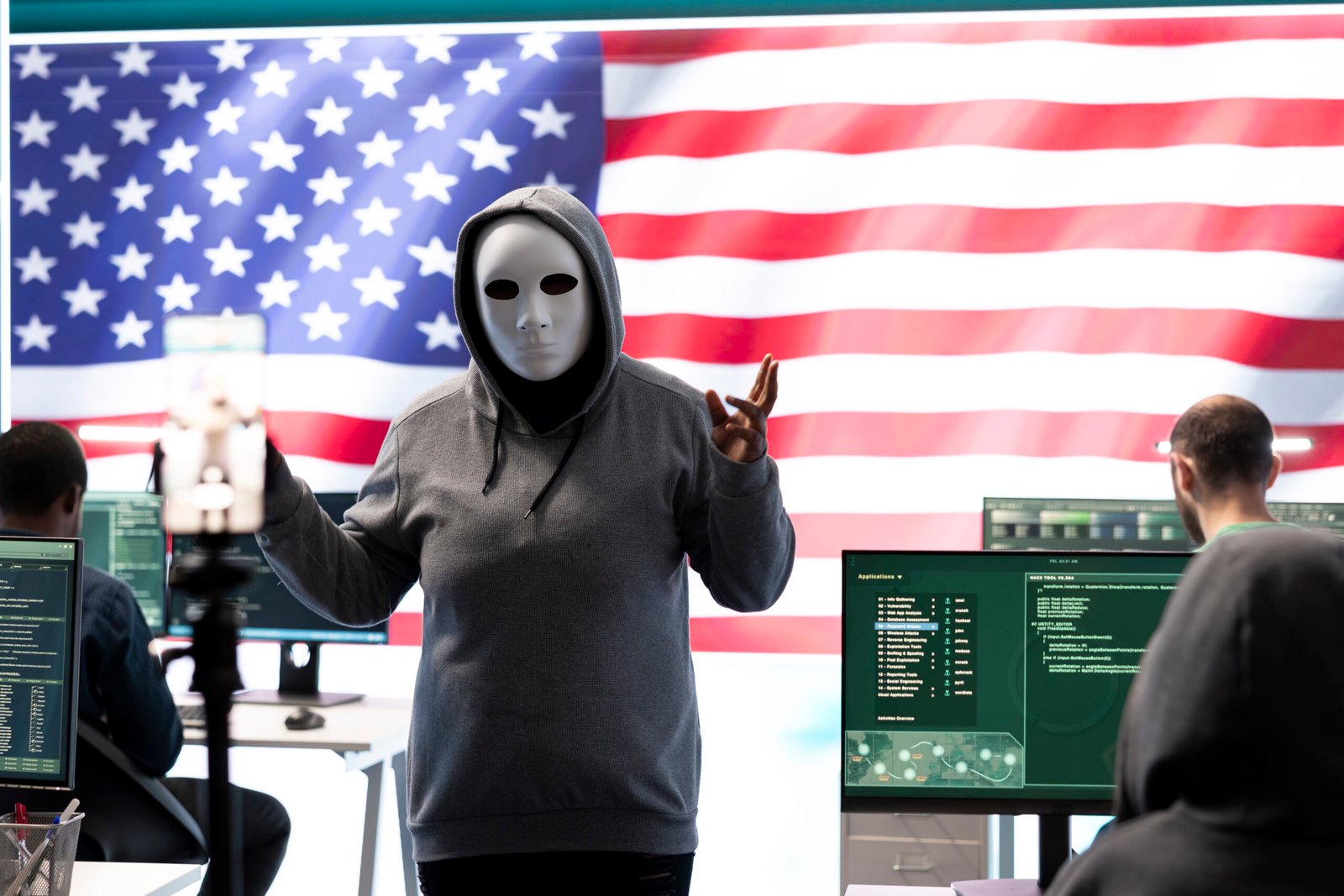
In the vast and ever-evolving digital landscape, few niche websites have captured global attention as rapidly and contentiously as Missav.ws. Emerging from the shadows of its predecessor, MissAV.com, this platform has become a focal point of internet debate, drawing millions of visitors monthly with its promise of free, uncensored Japanese Adult Videos (JAV). However, beneath the surface of this immense popularity lies a complex web of legal turmoil, domain seizures, copyright infringement lawsuits, and significant user security risks that demand careful examination. As the site continues to operate in a legal gray area, utilizing alternative domain extensions like .ws and .ai to evade international enforcement, both curious users and industry observers are left questioning its legitimacy. This comprehensive article delves deep into the world of Missav.ws, dissecting its origins, the legal battles threatening its existence, its credibility with users, the inherent safety risks of accessing such unauthorized content, and the broader implications for the JAV industry and content creators.
The Origin Story: From MissAV.com to Missav.ws
To understand the current status of Missav.ws, one must first revisit the history of its highly successful predecessor, MissAV.com. This original platform rose to prominence by filling a distinct void in the adult entertainment market: it offered an extensive library of uncensored JAV content that was otherwise difficult to find legally, particularly for international audiences. The site boasted an astonishing user base, attracting over 300 million monthly visitors at its peak and breaking into the top 60 most visited websites globally. Its appeal lay not just in the content itself, but in its user-friendly interface, indexing of videos by actress and genre, availability of English subtitles, and high-definition streaming capabilities.
However, MissAV.com‘s meteoric rise inevitably drew the attention of copyright holders. The primary catalyst for its downfall was a substantial lawsuit filed by Will Co., a company holding legitimate rights to a significant catalog of Japanese adult content. The legal action alleged that MissAV was illegally hosting over 300 of their copyrighted works without permission, leading to a U.S. District Court in Washington ordering the operators to pay a staggering $4.5 million in damages. The court’s ruling also resulted in the seizure and transfer of control over several key domains, including MissAV.com and ThisAV.com, effectively shuttering the original flagship site.
The Domain Game: How Missav.ws Evades Seizure
The cat-and-mouse game of digital piracy relies heavily on domain management, and the MissAV team has demonstrated remarkable agility in this arena. Almost immediately following the seizure of the .com domain, the platform resurfaced as Missav.ws, with the .ws extension representing Western Samoa, and later expanding to include Missav.ai, governed by Anguilla. This strategic shift is a calculated move to evade U.S. jurisdiction, as .com domains fall squarely under American legal control, which had been leveraged by FANZA (a major JAV distributor) to petition for seizure. By moving to extensions managed by authorities in Samoa and Anguilla—jurisdictions less responsive to U.S. copyright enforcement—the operators effectively placed their platform beyond the direct reach of American courts.
This ongoing domain rotation highlights a significant structural challenge in combating online piracy: domain-level seizures are a surface-level remedy. While they can disrupt access for a short period, sites like Missav.ws demonstrate that as long as the infrastructure and operators remain untouched, they can quickly redirect users to new addresses, continuing their operations with minimal interruption. The threat of legal action and financial penalties remains a deterrent for the operators, but the lack of a criminal arrest or infrastructure takedown in a cooperating country allows the site to persist.
Legal Risks and Consequences for Users
While the legal firestorm has primarily targeted the platform’s operators, users accessing Missav.ws are not immune to potential consequences. Many regions have stringent laws against accessing or distributing copyrighted material without authorization, and this extends to unauthorized streaming. In jurisdictions with rigorous copyright enforcement, simply watching content on a site like Missav.ws could technically place a user in a legal gray area, or worse, expose them to liability. While individual prosecutions for streaming are rare, they are a theoretical risk, and the legal landscape is becoming increasingly complex.
Furthermore, specific regional measures have been taken against the site. In Taiwan, for instance, the New Taipei City government successfully blocked access to both missav.com and missav.ws under the “Sexual Assault Crime Prevention Act,” effectively forcing local internet service providers to restrict access. This action demonstrates that governments are actively seeking to curtail the site’s reach, and users in such regions could potentially face legal ramifications for circumventing these blocks. The global effort to crack down on piracy is intensifying, suggesting that future enforcement actions may become more aggressive and have a broader impact on users. The closure of R18.com, the main legal English-language gateway for JAV, in May 2023 has only exacerbated this issue, leaving a significant legal vacuum that sites like Missav.ws have filled.
Safety and Security: Malware, Phishing, and Data Concerns
Beyond the legal implications, accessing a platform like Missav.ws poses substantial security risks to the end-user. Streaming sites that operate outside legal frameworks often lack the investment in robust cybersecurity protocols found on legitimate platforms. This leaves users vulnerable to a range of threats, including malware, ransomware, and phishing attacks through malicious pop-up advertisements or fake download prompts. The presence of aggressive and intrusive pop-up ads is a common hallmark of such sites, often disguising malware downloads as necessary software updates or video players. The “Contact Us” page of missav.ws redirecting to a Telegram link, rather than providing formal customer support channels, is a significant red flag that underscores the site’s lack of professionalism and transparency, offering users no clear path for recourse in the event of an issue. Data privacy is another major concern. Websites like Missav.ws have been known to track user browsing habits and potentially sell this data to third parties. This lack of privacy and potential for data exposure is a critical risk that users must consider. The recommendation from web security analysts is to always use up-to-date antivirus and ad-blocking tools if visiting the site and to strictly avoid downloading any mobile apps that claim to be associated with it.
The Credibility and Trustworthiness of Missav.ws
The question of whether Missav.ws is a “scam” in the traditional sense—where users pay for a service and receive nothing—is distinct from its credibility as a legitimate platform. Automated security scans, such as those run by Email Veritas, have sometimes given the domain a 100% safety score regarding malware and phishing threats, and other analytics reports from WebVetted confirm no malware or phishing detected by Google Safe Browsing, along with technical safety features like HTTPS and Cloudflare hosting. However, these findings are limited to technical, non-user-generated content and do not consider the legal and ethical dimensions of the site. The WebVetted investigation report scores the platform a mere 40 out of 100 for “Legal Reputation,” citing the $4.5 million damages award and the fact that missav.ws operates as a successor domain under legal scrutiny. The report also gives a failing score for “WHOIS Transparency,” noting anonymous domain ownership with no public registrant information, which reduces accountability and user trust. The conflicting reports create a confusing picture: technical safety metrics may appear clean, but the platform’s legal status and lack of transparency paint a picture of a high-risk operation. This duality is what makes the site so controversial—it functions and provides access to its library, but that access comes with a host of caveats regarding its legitimacy, safety, and ethical standing.
The Future of Missav and JAV Piracy
The saga of Missav.ws is far from over. The pattern of domain seizures followed by rapid migration to new extensions suggests that the site’s operators are committed to maintaining their platform and are continuously adapting to enforcement actions. The introduction of the .ai domain as a potential new primary address indicates a long-term strategy to operate beyond the reach of U.S. and European regulators. The effectiveness of these tactics makes it clear that the future of JAV piracy is one of constant evolution, with pirate sites and enforcement agencies locked in a perpetual battle.
Meanwhile, the legal ecosystem for JAV content outside Japan remains fractured. With FANZA’s international arm, R18.com, closed and the main FANZA service now geofenced to Japan-only, there is a significant gap for English-speaking audiences seeking legal and diverse JAV content. Licensed offshore studios like Caribbeancom, Heyzo, and 1Pondo offer an alternative, producing their own mosaic-free content, but even they operate in a legal gray area in Japan due to the country’s mosaic rule. The ultimate solution to piracy lies in making licensed content more accessible globally, potentially through a unified international platform. Until that happens, sites like Missav.ws will likely continue to thrive and evolve, serving a massive audience hungry for content that is currently difficult or impossible to access legally.
Conclusion
Missav.ws stands as a powerful example of the complex interplay between high user demand, evolving digital piracy, and the constraints of international copyright law. The platform, born from the ashes of the confiscated MissAV.com, leverages strategic domain choices to evade legal authorities, offering a vast library of uncensored JAV that has captivated millions worldwide. However, this accessibility masks a reality fraught with peril. Users face significant legal and security risks, from potential copyright violations and malware threats to a complete lack of data privacy and accountability, with professional analysis confirming its operation in a legal and ethical murkiness. While technical safety scans from some automated checkers may appear superficially positive, the core issues of legality, trust, and copyright infringement persist. For the user, engaging with Missav.ws is a gamble—one where the stakes include their data security, legal standing, and ethical responsibility to content creators. As the battle against online piracy continues, the only true path forward for a sustainable and ethical JAV industry lies in expanding legitimate, globally accessible platforms that offer consumers what they want, without the inherent risks of the digital underground.
Frequently Asked Questions (FAQ)
1. Is Missav.ws the same as the original MissAV.com?
No, Missav.ws is not the same as the original platform, MissAV.com. The original MissAV.com was shut down due to a copyright infringement lawsuit and subsequent domain seizure by a U.S. court. Missav.ws emerged shortly after as a successor site, operated by the same or similar parties, using a different domain extension to evade legal control.
2. Is it safe to use Missav.ws?
Using Missav.ws carries significant security risks. While some automated scans have not detected malware or phishing threats from a technical, content-agnostic perspective, the site is known for aggressive pop-up ads, which can lead to malware and phishing attempts. Additionally, the site lacks transparency and accountability, and risks to user data privacy are a major concern.
3. Is it legal to watch videos on Missav.ws?
Accessing or streaming copyrighted content without authorization is illegal in many jurisdictions. While individual users are rarely prosecuted for streaming, they could potentially face legal consequences depending on their local laws. The platform itself is under legal scrutiny, and authorities in some regions have moved to block it entirely.
4. Why does Missav.ws keep changing its domain name?
Missav.ws changes its domain to evade legal enforcement actions. The original .com domain was seized by U.S. authorities, so the operators moved to .ws (Western Samoa) and .ai (Anguilla), which are jurisdictions less subject to U.S. copyright enforcement, making it more difficult for authorities to seize the domains.
5. Are there any legal alternatives to Missav.ws?
Yes, there are legal alternatives for JAV content, although the options outside Japan are limited. Platforms such as FANZA and DMM TV are fully licensed but are restricted to Japan only. Studio-direct sites like SOD Prime, Caribbeancom, and Heyzo are also options, though some operate in a legal gray area in Japan due to the mosaic rule, but they do produce their own content.
Tech
The Complete, Definitive Guide to CDiPhone: Uncovering the Truth Behind the Viral Tech Phenomenon

People Crossword: A Complete Guide to Solving People-Themed Crossword Clues

Michigan Man $1M Lottery Win: What Happened and How the Million-Dollar Prize Was Won

Michelle Randolph Biography: Career, Movies, TV Shows and Rise to Fame

The Ultimate Guide to Watching “Трон Смотреть”: Exploring the Digital Frontier

The Ultimate Guide to IRB SDSU: Navigating Human Subjects ResearchThe Ultimate Guide to IRB SDSU: Navigating Human Subjects Research at San Diego State Universityat San Diego State University

Gravity Points: The Complete Guide to Understanding and Calculating Wort Strength in Homebrewing
 Entertainment4 months ago
The Ultimate Guide to Watching “Трон Смотреть”: Exploring the Digital Frontier
- Tech3 months ago
The Ultimate Guide to IRB SDSU: Navigating Human Subjects ResearchThe Ultimate Guide to IRB SDSU: Navigating Human Subjects Research at San Diego State Universityat San Diego State University
- art4 months ago
Gravity Points: The Complete Guide to Understanding and Calculating Wort Strength in Homebrewing
- Entertainment4 months ago
Renee Andrietti: The Woman Behind Rock Legend Bob Seger’s First Marriage
- Fashion4 months ago
Michelle Smallmon’s Marital Status: A Deep Dive into the Private Life of ESPN’s Rising Star
- Fashion4 months ago
Constantine Yankoglu: The Private Life Behind a Name People Keep Searching
- Business3 months ago
Voozon.com: The All-in-One Digital Growth Platform for Modern Businesses
- Health3 months ago
How to Meditate on God’s Word: A Comprehensive Guide to Deepening Your Faith Through Biblical Meditation