Health
The Ultimate Guide to Jowls: Causes, Prevention, and Effective Treatments for a Defined Jawline
Published
1 week agoon

Table of Contents
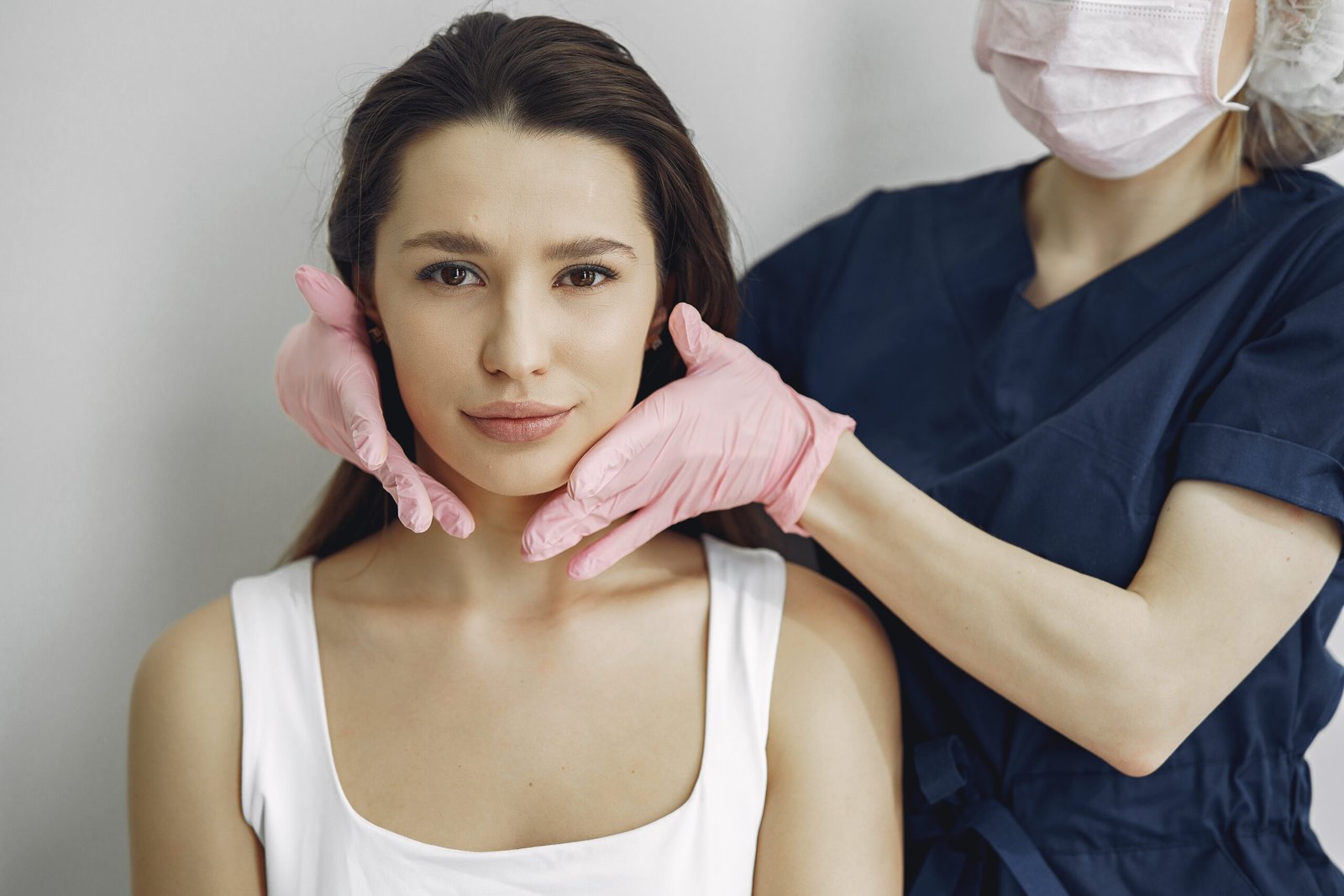
ToggleJowls represent one of the most defining and often distressing signs of facial aging. They are characterized by the sagging, drooping skin and soft tissue that forms along the jawline, which can create a heavier, less defined lower face and significantly impact an individual’s self-perception and confidence. While the formation of jowls is a natural and almost universal part of the aging process, the desire to counteract their development has driven a vast and sometimes confusing array of treatments, from at-home exercises to invasive surgery. As modern life introduces factors like “tech neck,” this concern has only grown more prevalent. This comprehensive guide provides a deep dive into the anatomy behind jowls, the reasons they form, and the full spectrum of effective solutions available today.
Understanding the Anatomy of Aging: Why Jowls Form
To understand how to effectively treat and prevent jowls, one must first look beneath the skin’s surface. The formation of a jowl is not a simple case of skin becoming loose; it is a multifactorial process involving several layers of the face. The skin, over time, loses two key proteins: collagen, which provides structure and firmness, and elastin, which allows the skin to snap back into place after stretching. This natural decline begins as early as our mid-twenties, with collagen production decreasing by roughly 1% each year.
However, the loss of skin elasticity is only part of the story. The lower face’s youthful contour depends on the integrity of the superficial musculoaponeurotic system (SMAS), a network of muscles and connective tissue beneath the skin. As we age, the SMAS layer weakens, and the facial fat pads that once gave the midface its youthful fullness begin to descend due to gravity. This descent is facilitated by the weakening of retaining ligaments that anchor the skin to the underlying bone. When this support structure fails, the overlying skin and fat are no longer held in place, leading to the characteristic drooping and accumulation of tissue along the jawline that defines a jowl.
A fascinating anatomical study revealed that jowls are comprised of distinct subcutaneous fat compartments above the mandibular border, which are separate from the buccal fat of the cheeks. These jowl fat compartments are held in place by a structure called the mandibular septum, which tethers the skin to the jawbone. As this septum loosens and the fat compartments descend, the jowl becomes more pronounced. The position of the jowl is further defined by ligamentous boundaries, such as the mandibular and masseteric ligaments, which demarcate the area of descent in the lower face. This intricate understanding of facial anatomy underscores why treating jowls effectively often requires a holistic, multi-layered approach rather than focusing on the skin alone.
Prevention Strategies: Protecting Your Jawline
While genetics and the aging process are unstoppable forces, certain lifestyle choices can significantly influence the age at which jowls appear and their severity. A proactive approach to prevention focuses on protecting the skin’s structural components and avoiding factors that accelerate their breakdown.
Sun protection is arguably the most critical preventative measure. Ultraviolet (UV) radiation is a primary driver of premature skin aging, known as photoaging, which breaks down collagen and elastin far more quickly than chronological aging. Daily application of a broad-spectrum sunscreen to the face and neck is non-negotiable for anyone looking to maintain a firm jawline. Similarly, smoking is a potent enemy of skin health; nicotine constricts blood vessels, reducing blood flow and nutrient delivery to the skin, while the chemicals in smoke directly damage collagen and elastin, accelerating the formation of jowls and wrinkles.
Other lifestyle factors can also be modified. Maintaining a stable, healthy weight is beneficial, as yo-yo dieting causes the skin to stretch and retract, potentially leading to loss of firmness. Furthermore, the modern habit of looking down at smartphones for extended periods can contribute to the loss of elasticity in the neck and jawline, a phenomenon colloquially known as “tech neck” or “smartphone face”. Good posture can help minimize this effect. While a healthy diet rich in antioxidants and adequate hydration support overall skin health, it is crucial to understand that these measures are preventative and can help delay the onset of jowls, but they cannot reverse significant tissue descent once it has occurred. For those with more advanced concerns, professional treatments become necessary.
At-Home Management and Non-Invasive Options
For those with mild jowling or who wish to complement professional treatments, several at-home and non-invasive clinical options can offer subtle improvements.
Facial Exercises, Massage, and Devices
Facial exercises, sometimes referred to as “face yoga,” are a popular method for toning the underlying facial muscles. The theory is that by strengthening the muscles, you can provide better support to the overlying skin and fat, potentially improving firmness and fullness in the lower face. Proponents suggest exercises like “kissing the sky” or “whistling at the ceiling” to work the neck and jaw muscles. While scientific evidence is limited, a small study did show that a 20-week regimen of daily facial exercises resulted in improved fullness in the mid and lower face, suggesting some benefit. Consistency is key, with noticeable results potentially taking around 20 weeks to appear. It is also worth noting that repeated folding of the skin during exercises could theoretically exacerbate wrinkles in some individuals. Alongside exercises, techniques like facial massage or Gua Sha, an ancient Chinese practice using a smooth-edged tool to improve circulation and stimulate collagen, are believed to help reduce inflammation and improve skin tone.
Non-Surgical Clinical Treatments: Skin Tightening and Fillers
For individuals seeking more noticeable but non-surgical correction, in-office procedures using advanced energy-based technologies are a primary option. These treatments, such as radiofrequency (RF) and ultrasound devices, work by delivering heat to the deeper layers of the skin and, in some cases, the SMAS layer. The controlled thermal injury stimulates the body’s natural healing response, prompting the production of new collagen. This results in a gradual tightening of the skin and a mild lifting effect. Examples include Exilis, FaceTite, and Ultherapy. While these can be effective for tightening skin in mild to moderate cases, they are generally considered to offer more modest improvements compared to surgery.
Injectable treatments are another highly popular non-surgical route. Dermal fillers, typically made of hyaluronic acid, do not “lift” sagging skin in a literal sense. Instead, they are strategically injected to restore lost volume in areas like the cheeks and temples or to contour the jawline and chin. This creates a visual “lift” by supporting the overlying skin and improving the overall balance of the face, which can camouflage the appearance of jowls. A new generation of regenerative injectables, such as Profhilo Structura, is designed to address the deeper structural causes of sagging by restoring lost subcutaneous fat and stimulating collagen production, offering a more holistic approach to tissue rejuvenation. For injectors, the key is to think holistically—treating the midface and jawline, rather than adding filler directly into the jowl, which could make it appear heavier.
Surgical Solutions: The Gold Standard for Long-Lasting Correction
When jowls are moderate to severe and skin laxity is significant, surgical procedures provide the most dramatic and durable results. Non-surgical options cannot match the comprehensive tissue repositioning that surgery offers.
Facelift and Neck Lift Techniques
A facelift, or rhytidectomy, is the gold-standard surgical procedure for treating jowls. The fundamental goal is to address the underlying cause by tightening the SMAS layer and repositioning the descended tissue back to a more youthful, vertical position on the face. The surgery involves incisions typically made in front of and behind the ear, which are carefully hidden within the hairline and natural contours of the ear. Through these incisions, the surgeon can lift and tighten the deeper tissues, remove excess skin, and redrape the skin over the newly rejuvenated contour.
There are different techniques for performing a facelift, the choice of which depends on the patient’s anatomy and the severity of aging. A SMAS-based facelift is effective for patients with mild to moderate jowling, focusing on tightening the superficial muscle and tissue layer. For patients with more advanced jowl formation, a Deep Plane Facelift may be recommended. This technique is more extensive and involves releasing the deeper retaining ligaments, allowing the surgeon to reposition the entire facial soft tissue complex as a single unit, often leading to a more natural and longer-lasting result. For many patients, this procedure is often combined with a neck lift to address loose skin and excess fat under the chin, creating a harmonious and fully rejuvenated profile.
Liposuction and Other Surgical Options
In some cases, where excess fat is a primary contributor to a poorly defined jawline, liposuction may be a helpful adjunct to or a standalone procedure. This involves the removal of fat deposits from the chin and neck area, which can refine the contour. However, if the skin is lax, liposuction alone may worsen the appearance of sagging, so it is frequently combined with skin-tightening treatments or a surgical lift. Surgical results are long-lasting, typically providing a refreshed appearance for 10 to 15 years, a significant advantage over the temporary corrections offered by non-surgical methods.
Conclusion: Charting Your Path to a Defined Profile
The journey to addressing jowls is a deeply personal one, guided by individual anatomy, the severity of the condition, personal preferences, and budget. The conversation around jowls has evolved from a simple fixation on wrinkles to a nuanced understanding of volumetric changes and structural tissue descent. The most effective approach is not a one-size-fits-all solution but a carefully considered plan that aligns with your goals and lifestyle.
For those noticing the very first signs of softness along their jawline, a commitment to prevention—rigorous sun protection, a healthy lifestyle, and good posture—is the best first step. Integrating at-home practices like facial exercises and massage may offer a subtle, gentle benefit. As concerns become more pronounced, non-surgical treatments like energy-based skin tightening and strategic use of dermal fillers can provide noticeable, yet temporary, refinement. For those seeking the most comprehensive, transformative, and enduring results, surgical intervention with a facelift remains the gold standard. Consulting with a board-certified facial plastic surgeon is crucial to navigate these options, manage expectations, and develop a bespoke treatment plan that ensures the most beautiful, natural-looking outcome for your unique features.
Frequently Asked Questions (FAQ)
1. What exactly causes jowls?
Jowls are caused by a combination of factors, primarily the natural aging process. This involves the loss of collagen and elastin in the skin, weakening of the underlying supportive muscles (SMAS), descent of facial fat pads, and the effects of gravity. Genetics, sun exposure, smoking, and significant weight fluctuations can all accelerate this process.
2. Are there any effective at-home remedies for jowls?
At-home remedies can help with prevention and minor improvements but cannot reverse significant jowl formation. Facial exercises, like face yoga, may help tone the underlying muscles over time (potentially 20 weeks), but evidence is limited. Gua sha massage can improve circulation and reduce puffiness. However, topical skincare products, even those containing retinoids and peptides, cannot address the structural descent of deep tissues that causes jowls.
3. Can facial exercises really get rid of my jowls?
Facial exercises are unlikely to “get rid of” moderate to severe jowls. They may provide a very modest improvement in muscle tone and skin fullness by strengthening the muscles under the skin, but they cannot tighten the skin itself or reverse the descent of fat pads and connective tissues. They are best viewed as a complementary strategy for supporting overall skin health and firmness.
4. What is the difference between a facelift and using fillers for jowls?
A facelift is a surgical procedure that addresses the root cause of jowls by physically lifting and repositioning the underlying muscles and sagging tissues, removing excess skin, and restoring a defined jawline. Dermal fillers are non-surgical injections that add volume to areas like the cheeks, temples, and jawline to create a lifting effect by camouflaging hollows and improving facial balance. Fillers do not tighten skin or lift underlying tissues.
5. How long do the results from jowl treatments last?
The longevity of results varies greatly by treatment. At-home methods require continuous practice for minimal results. Non-surgical energy-based treatments and fillers offer temporary results, typically lasting 12-18 months, requiring maintenance sessions. Surgical facelift results are long-lasting, generally providing a rejuvenated appearance for 10 to 15 years.
You may like
Health
The Art of French Gommage: Your Ultimate Guide to Gentle, Radiant Skin
Published
1 week agoon
July 17, 2026
Table of Contents
ToggleIn the world of skincare, the quest for a radiant, smooth complexion often leads us down a path of harsh scrubs and potent chemical peels. However, a sophisticated and remarkably gentle alternative has been a staple in French beauty routines for decades: gommage. This unique exfoliation technique, whose name translates from French to “erasing” or “to erase,” offers a refined approach to removing dead skin cells . Unlike traditional physical scrubs that can be abrasive, gommage provides a dual-action method that is both effective and kind to the skin. This comprehensive guide will explore what gommage is, how it differs from other exfoliation methods, its myriad benefits, and how to seamlessly incorporate it into your skincare regimen for a luminous, healthy glow. Whether you have sensitive skin or are simply seeking a more elegant exfoliation experience, mastering the art of gommage could be the transformative step your routine needs.
Understanding Gommage and Its Gentle Exfoliation
At its core, gommage is a type of exfoliation that stands out for its exceptional gentleness. The French word “gommer” means “to erase,” and the process lives up to this name by erasing dead skin cells and surface impurities without the need for harsh, gritty particles . Instead of relying solely on friction, gommage products typically utilize a creamy or gel-based formula infused with enzymes and mild chemical exfoliants. These active ingredients, often derived from fruits like papaya (papain) and pineapple (bromelain), work to loosen the “glue” that holds dead skin cells to the surface of the epidermis . This is a form of chemical exfoliation, but one that is far more subtle and less aggressive than high-concentration acid peels. Once the product is applied and allowed to set for a few minutes, it dries to a tacky consistency. The final step involves gently massaging the skin with your fingertips, which causes the product to ball up or pill, rolling away the dissolved dead skin cells and leaving behind a refined, smooth canvas .
Gommage vs. Scrub vs. Peeling: Clarifying the Differences
The skincare industry is rife with terms that can be confusing, but understanding the distinction between a scrub, a peel, and a gommage is crucial for selecting the right product. A traditional scrub relies on physical, or mechanical, exfoliation. This involves abrasive particles like sugar, salt, or crushed fruit pits that are manually rubbed across the skin to slough off dead cells . While effective, this method can be too harsh for many, leading to micro-tears, irritation, and redness, especially on the delicate facial skin . On the other end of the spectrum, a peeling or chemical exfoliant uses potent acids like glycolic or salicylic acid to dissolve the bonds between skin cells. These can be powerful treatments that range from mild to very deep, often requiring professional application . Gommage occupies a unique and highly desirable middle ground. It combines the benefits of both methods without the drawbacks. It starts with a gentle, enzyme-based chemical action to soften and loosen dead cells, followed by a mild physical action—the rolling of the product—to remove them . The result is a deep clean that is significantly gentler than a scrub and less intimidating than a chemical peel.
The Superior Benefits of Incorporating Gommage
Integrating a gommage product into your skincare routine offers a multitude of benefits that extend beyond surface-level smoothness. The primary advantage is its ability to effectively resurface the skin without causing the irritation often associated with harsher exfoliants . This makes it an ideal choice for those with sensitive skin, rosacea, or conditions that react poorly to aggressive scrubs. By lifting away the barrier of dead skin cells, gommage instantly improves skin texture, leaving it feeling incredibly soft and looking more luminous . Furthermore, regular exfoliation with a gommage promotes cellular turnover, which can diminish the appearance of fine lines and wrinkles over time, as it encourages the generation of new, healthy skin cells . An often-overlooked benefit is that it allows for better product absorption. After a gommage treatment, your serums and moisturizers can penetrate deeper into the skin, maximizing their efficacy and providing superior hydration and nourishment .
How to Perfectly Perform the Gommage Technique
To achieve optimal results, it is important to follow the correct steps. Here is a simple guide to performing a gommage treatment at home:
Start with Clean Skin: Begin by washing your face with a gentle cleanser and patting it dry. For the best results, ensure your skin is completely dry, as some products are formulated to work on dry skin .
Apply the Product: Apply a thin, even layer of the gommage gel or cream to your face, being careful to avoid the delicate eye area. You can also apply it to your neck and décolletage .
Allow it to Set: Wait for the product to dry. The time can vary depending on the specific formula, but it generally takes a few minutes. You will know it is ready when the product feels tacky, but not completely hardened or crusty .
Gently Massage: Using your fingertips, begin to massage your skin in gentle, circular motions. You will immediately notice the product starting to ball up and pill on the surface of your skin. This rolling action is what lifts away the dead skin cells and impurities .
Rinse and Finish: Once you have rolled the product off your entire face, rinse the residue away with warm water. You can use a soft washcloth if needed, but the product should have come off easily with the massage. Follow up with your favorite hydrating serum and moisturizer to lock in moisture and soothe your newly revealed skin .
Integrating Gommage into Your Skincare Routine
Determining the right frequency for gommage is key to maintaining healthy skin without over-exfoliating. Because it is so gentle, many skin types can tolerate it more often than traditional scrubs. However, a good starting point is once or twice a week . Observe how your skin responds. If you have oily skin, you may find you can use it more frequently, up to every other day. Conversely, those with dry or sensitive skin might find that once a week or even once every two weeks is sufficient . It is also wise to listen to your skin. If you notice any redness, stinging, or tightness, reduce the frequency. Never combine a gommage treatment with other forms of exfoliation, such as a retinol serum or a chemical peel on the same day, as this can lead to over-exfoliation and compromise your skin barrier . Think of gommage as a luxurious, weekly reset for your complexion, a moment to erase the dullness and reveal the vibrant, healthy skin beneath.
Frequently Asked Questions (FAQ)
1. Is gommage suitable for all skin types?
Yes, gommage is particularly well-suited for sensitive skin due to its gentle dual-action exfoliation . However, it is beneficial for all skin types, including oily, dry, and combination skin. If you have active acne, open wounds, or very thin skin, it is best to consult a dermatologist before use .
2. Can I use gommage on my body as well as my face?
Absolutely! Many gommage products are versatile and can be used on areas like elbows, knees, and heels to smooth rough patches . The gentle formulation is effective for more delicate areas like the décolletage as well.
3. Should I use a moisturizer after a gommage treatment?
Yes, this is a crucial step. Exfoliation helps remove the outer layer of dead skin, making your skin more receptive to hydration . Applying a moisturizer and a serum immediately after your gommage treatment will help to soothe the skin and lock in maximum moisture .
Conclusion
Gommage is more than just a skincare trend; it is a timeless French beauty secret that prioritizes the health and radiance of the skin without compromising comfort. Its unique, dual-action approach offers a superior alternative to harsh scrubs and strong peels, making it an accessible and incredibly effective treatment for anyone seeking a luminous complexion. By understanding how this gentle exfoliant works and incorporating it correctly into your routine, you can “erase” the signs of dullness and reveal a smoother, more refined, and glowing visage. Rediscover the art of gentle skincare with gommage and transform your daily ritual into a luxurious, results-driven experience.
Health
Vitamin T: Unraveling the Mystery of the “Lost” Vitamin and Its Modern-Day Meaning
Published
1 week agoon
July 15, 2026
Table of Contents
ToggleIn the vast and ever-expanding universe of nutritional science, few topics spark as much curiosity as the enigmatic “Vitamin T.” Unlike its well-known counterparts such as Vitamin C or Vitamin D, which are household names with firmly established health benefits, “Vitamin T” lacks a single, universally accepted definition. The term exists in a fascinating duality, acting as a scientific puzzle with roots in mid-20th-century biological research and as a modern, market-savvy label for supplements aimed at men’s health and vitality. For anyone interested in the history of nutritional discovery and the evolution of health trends, the story of Vitamin T offers a unique and compelling narrative. The reality of “Vitamin T” is not a single compound but a concept that has been interpreted in various ways over the decades. Understanding what it truly is requires exploring its historical origins as a growth factor and its modern resurgence as a marketing term, particularly in the context of testosterone support. This article will delve into the surprising origins of Vitamin T, distinguish its historical identity from its present-day incarnations, and analyze its scientific validity in both the past and the present.
The Historical Roots of Vitamin T: A Discovery from the Insect World
The story of Vitamin T begins not in a laboratory dedicated to human nutrition, but in the intricate social structures of termites . The term “Vitamin T” was first coined by the scientist Goetsch in the 1940s following a series of fascinating biological observations on insects. While studying termite colonies of species like Callotermes flavicollis, Goetsch noticed a remarkable phenomenon: the eggs that were laid were all the same, but they could develop into two distinctly different types of adult insects. Some hatched into the typical “workers,” while others developed into “soldiers,” which are characterized by their larger heads and formidable mandibles . He discovered that this developmental divergence was not genetically predetermined but was influenced by diet. Specifically, a richer food supply, particularly one abundant in protein, provided to the larvae at a critical stage of development, triggered the transformation into the soldier caste.
This crucial discovery led Goetsch to hypothesize that a specific, unknown substance in the food was responsible for this extraordinary biological plasticity. He managed to extract an active substance from the termites themselves, which he named “Termitin” or “torutilin” . This substance, when administered experimentally, could artificially induce the transformation of worker larvae into soldiers. The extract was later dubbed “Vitamin T” or the “Goetsch vitamin” . The effects were not limited to termites; subsequent research demonstrated that similar growth-promoting and transformative effects could be observed when the substance was administered to other insects, such as cockroaches and grasshoppers, and even in some vertebrate models . For instance, experiments on tadpoles showed that “Vitamin T” could accelerate their metamorphosis into frogs by up to ten days and increase their oxygen consumption by over 15%, indicating a significant boost in metabolic activity . On a biochemical level, the T substance was found to be a complex mixture, not a single pure molecule. It was characterized as water-soluble, heat-stable, and somewhat related to the B-complex vitamins, though its effects were distinct from any of them. Importantly, researchers found that the T substance was not synthesized by the termites themselves, but was produced by symbiotic fungi and yeasts living in their digestive tracts, with Penicillium, Mucor, and Torula yeasts identified as potent sources .
The Promising but Unfinished Chapter of Human Research
The discovery of Vitamin T in insects sparked considerable interest in the scientific community, leading to a wave of early clinical trials investigating its potential benefits for human health. While the dramatic caste-changing effects seen in insects were not observed in mammals, researchers were optimistic about the compound’s general growth-stimulating properties. The most promising results were reported in the field of pediatrics. “Vitamin T” garnered significant attention for its apparent ability to treat anorexia and malnutrition in children, including cases where conventional treatments had failed . Proponents like Dr. M. Ruiz Ubeda reported that the substance was “highly beneficial in overcoming anorexia in children,” stimulating appetite and promoting weight gain in infants and atrophic children .
Beyond its use in pediatrics, “Vitamin T” was also investigated as a potential treatment for a remarkably wide array of conditions. These included osteoporosis, rickets, celiac disease, muscle dystrophies, anemia, and even various dermatological problems like eczema and psoriasis . Some preliminary research in veterinary medicine even suggested it could improve growth in livestock, leading to a 15% increase in growth rates in piglets, though these findings were never fully developed into widespread agricultural applications . However, despite this initial wave of enthusiasm and a range of anecdotal successes, the research on “Vitamin T” in humans came to an abrupt halt. The scientific community, ultimately, was unable to isolate a single, definitive chemical structure that could be identified as “Vitamin T.” It was eventually concluded that the early studies had likely been observing the effects of a complex mixture of substances, including known B-complex vitamins, and possibly other unknown growth factors. The hope that it would prove to be a single, new essential vitamin for humans faded, and as the scientific rigor of the time increased, the concept of “Vitamin T” largely disappeared from mainstream clinical nutrition. The question of whether it plays any “role in human metabolism, remains to be answered,” as one medical journal of the era noted, a question that remains largely unanswered to this day .
The Modern Reincarnation: Vitamin T as the Testosterone Vitamin
While the original “Vitamin T” faded into scientific obscurity, the term has experienced a powerful modern-day revival, albeit in a completely different context. Today, “Vitamin T” is most commonly used as a clever marketing term for testosterone, capitalizing on the ‘T’ for ‘testosterone’ . This is not a single vitamin or chemical compound, but rather a label for dietary supplements specifically designed to support and boost testosterone levels in men. These products are marketed as a solution for the symptoms associated with andropause, or the age-related decline in testosterone, such as fatigue, reduced libido, loss of muscle mass, and “brain fog” . Modern “Vitamin T” formulations are far from the complex fungal extracts of the 1940s. They are typically comprehensive multi-vitamin and mineral complexes combined with a blend of botanicals and herbal extracts believed to have testosterone-boosting properties. For example, products like “MuscleMeds Vitamin T” contain a potent mix of over 20 vitamins and minerals, alongside ingredients like Fenugreek extract, Tribulus terrestris, Boron Citrate, and longjack, claiming to be a premium multi-vitamin formulated for “advanced testosterone support” . Unlike the historical Vitamin T, which was shrouded in biological mystery, these modern products are clearly formulated around a targeted, if sometimes scientifically debated, goal: to naturally enhance male hormonal health. This modern interpretation has proven to be highly successful, turning a largely forgotten term from the annals of nutritional history into a high-profile and commercially lucrative concept.
Conclusion
The story of “Vitamin T” is a fascinating tale of scientific evolution, tracing a path from the soil of termite colonies to the shelves of modern health stores. The term originally represented a promising but ultimately enigmatic growth factor from the 1940s—a complex mixture of substances derived from fungi that could trigger remarkable developmental transformations in insects and showed potential for treating malnutrition in children. That chapter, however, remains unfinished, as scientific consensus failed to identify it as a true essential vitamin for humans. Today, the term “Vitamin T” lives on, but it has been repurposed into a powerful marketing concept for a new generation of supplements focused on boosting testosterone. While the historical “Vitamin T” was about nutritional deficiency and growth, its modern namesake is about hormonal optimization and vitality. By understanding the dual identity of “Vitamin T,” we gain a valuable insight into how scientific concepts can be lost, rediscovered, and reshaped to fit the evolving landscape of health and wellness.
Frequently Asked Questions (FAQ)
Q1: Is Vitamin T a real vitamin?
A: No, Vitamin T is not recognized as a true vitamin by the scientific or medical community. Its historical use referred to a complex growth-promoting substance discovered in insects, while today it is primarily a marketing term for testosterone supplements.
Q2: What was the original “Vitamin T” discovered in the 1940s?
A: The original Vitamin T was a substance discovered by scientist Goetsch that could transform termite larvae into “soldiers.” It was found in fungi and yeasts and was thought to be a potent growth factor. However, its exact chemical composition was never identified .
Q3: Is modern “Vitamin T” the same as the historical one?
A: No. Modern “Vitamin T” refers to dietary supplements designed to support testosterone levels in men. These contain vitamins, minerals, and herbal extracts like Fenugreek and Tribulus terrestris, not the fungal extracts of the past .
Q4: Is testosterone the same as Vitamin T?
A: In modern marketing, Vitamin T is a popular nickname for testosterone. However, they are not the same thing; it is simply a catchphrase used to sell supplements aimed at boosting this hormone .
Q5: Do Vitamin T supplements work to boost testosterone?
A: Some ingredients found in these supplements, such as Vitamin D, zinc, and Fenugreek, have shown promise in some studies for supporting healthy testosterone levels. However, the effectiveness of any supplement can vary, and more research is often needed. It is always recommended to consult with a healthcare professional before starting any new supplement regime .
Q6: Where can I find Vitamin T naturally?
A: Historically, Vitamin T was found in sesame seeds, egg yolks, and pumpkin seeds . However, if you are looking for the modern version to support testosterone, a diet rich in nutrients like zinc (found in oysters and meat) and Vitamin D (from sun exposure or supplements) is often recommended .
Health
Candid Grope: Understanding This Intimate Condition and Its Medical Context
Published
2 weeks agoon
July 13, 2026
Table of Contents
ToggleIntroduction
The term “candid grope” is often associated with discomfort, confusion, and even embarrassment due to the sensitive nature of the areas it affects. However, understanding this condition is the first step toward effective treatment and prevention. While “candid” typically refers to conditions caused by Candida yeast, and “grope” colloquially describes the groin area, the clinical reality involves fungal infections that thrive in warm, moist environments. This comprehensive guide explores the causes, symptoms, and medical treatments available for managing fungal infections commonly referred to under this umbrella term. By demystifying the condition, we aim to empower individuals to seek timely medical attention and adopt effective self-care practices for optimal recovery.
What Is the Condition Commonly Referred to as “Candid Grope”
At its core, the phrase points to a fungal infection of the groin area caused by yeast or dermatophytes. In men, this often manifests as jock itch or a fungal infection affecting the penis, while in women, it may present as vulvar irritation or a severe vaginal thrush . The term “candid” points directly to the Candida species, most notably Candida albicans, which is a leading cause of these infections . These microorganisms are naturally present on the skin but can overgrow due to various triggers like excessive sweating, tight clothing, or a weakened immune system. The infection results in uncomfortable symptoms that require a clear understanding for proper management.
Recognizing the Symptoms of Candid Grope Infections
Identifying the symptoms of a candid grope infection is essential for early intervention and to differentiate it from other skin conditions. In men, particularly in cases of penile irritation linked to thrush, symptoms may include a burning sensation on the penis, genital peeling, and skin redness . Women experiencing a vulvar infection often deal with vaginal burning sensations, vaginal itching, discharge, and in severe cases, vaginal bleeding or swelling . Additionally, both sexes may experience general skin irritation, a stinging sensation upon application of creams, and the development of blisters or edema in the affected region . It is vital to note that these symptoms are not just uncomfortable but can significantly impact quality of life if left untreated.
Effective Medical Treatment: The Role of Antifungal Creams
When diagnosed with a fungal infection in the groin or genital area, healthcare providers often prescribe topical antifungal creams. Products containing active ingredients like Clotrimazole are among the most commonly recommended treatments, used in medications like Kandicide Cream . These creams are effective against Trichophyton species (responsible for ringworm and jock itch) and Candida species (responsible for vaginal thrush and penile irritation) . The success of the treatment lies not only in the active ingredient but also in the consistent application of the cream. Patients are typically advised to apply a thin layer of the cream evenly and rub it gently onto the affected areas two to three times daily . However, a common mistake is stopping treatment early, which is discouraged as the infection may return; usually, a tinea infection requires a month of treatment, while candida infections require at least 15 days of continuous use .
Precautions and Best Practices for Applying Treatment
Proper application of antifungal creams is crucial to avoid spreading the infection and to speed up recovery. Before and after applying the cream, hands must be thoroughly washed to prevent cross-contamination . For infections on the feet, such as athlete’s foot, it is recommended to wash and dry the feet thoroughly, especially between the toes, before application . The affected skin areas should be kept clean and dry at all times; however, excessive rubbing should be avoided as it damages the skin surface and facilitates the spread of the infection . Furthermore, scratching must be strictly avoided as it can lead to further skin damage and prolong the healing process. Sharing personal items like towels or bath mats with others is also discouraged to stop the transmission of the fungus .
Important Interactions and Special Considerations
Beyond application techniques, there are significant interactions and precautions that patients must be aware of. Notably, antifungal creams applied to the vulva or penis can reduce the effectiveness of rubber contraceptives such as diaphragms and condoms . Therefore, it is crucial to use alternative methods of contraception for at least five days after using the cream to prevent contraceptive failure . Additionally, while the cream is generally safe, patients must be vigilant for severe allergic reactions. Side effects can include blisters, genital peeling, and severe itching; if these occur, usage should be stopped immediately, and a doctor should be contacted . Even in pediatric cases, while the cream is considered safe under medical supervision, minor side effects may occur, requiring parental vigilance .
Conclusion
Navigating the condition colloquially known as “candid grope” can be daunting due to the sensitive nature of the symptoms and the areas affected. However, understanding the underlying causes—primarily fungal infections caused by Candida or Trichophyton—provides a clear path toward effective treatment. Recognizing early symptoms like burning, itching, and redness allows for prompt medical intervention. The proper use of antifungal creams, adhering strictly to application guidelines and duration, ensures the infection is fully eradicated. By combining medical treatment with good hygiene practices and awareness of contraceptive interactions, individuals can manage this condition effectively and regain their comfort and well-being.
Frequently Asked Questions
Q: How long does it take for the symptoms of a groin fungal infection to improve?
A: The symptoms of a fungal infection, such as itching or soreness, should typically improve within a few days of starting treatment. However, visible signs like redness and scaling may take longer to disappear completely. It is essential to continue the treatment for the full duration prescribed by your doctor, usually one month for tinea infections and at least 15 days for candida infections, even if you start feeling better earlier .
Q: What should I do to prepare the skin before applying antifungal cream for a groin infection?
A: Before applying the cream, ensure the affected area is clean and dry. You should wash your hands thoroughly before and after application. For infections on the feet, wash and dry them well, especially between the toes, before applying the cream. This helps prevent the infection from spreading and enhances the absorption of the medication .
Q: Are there any specific lifestyle changes I should adopt to prevent the infection from recurring?
A: Yes, to prevent recurrence, it is vital to keep the affected skin areas clean and dry but avoid excessive rubbing. It is also important not to scratch the area as this can damage the skin and spread the infection. Furthermore, avoid sharing personal items like towels, bath mats, and clothing to prevent infecting others or being reinfected .
Q: Is it safe to use an antifungal cream on the genital area while using contraception?
A: Patients should be cautious as these creams may reduce the effectiveness of rubber contraceptives, including diaphragms and condoms. If you are applying the cream to the vulva or penis, you should consider using an alternative method of contraception for at least five days after the last application of the cream to ensure full contraceptive protection .
Q: Is “candid grope” a clinically recognized medical term?
A: “Candid grope” is not a formal clinical term used by medical professionals. It is a colloquial expression often used to refer to fungal infections affecting the groin area, typically caused by Candida species. In medical practice, these conditions are usually diagnosed as “jock itch,” “tinea cruris,” or a fungal infection of the vulva and penis, depending on the specific location and causative organism .

Webtoon XYZ: Your Ultimate Guide to the Digital Comic Revolution

The Back Casting Room: A Comprehensive Guide to Strategic Planning and Production Success

Missav.ws: Unveiling the Truth Behind the Controversial JAV Piracy Site – Is It Safe, Legal, or a Risky Gamble?
Trending
art3 weeks agoGravity Points: The Complete Guide to Understanding and Calculating Wort Strength in Homebrewing
Fashion4 weeks agoConstantine Yankoglu: The Private Life Behind a Name People Keep Searching
Business2 weeks agoVoozon.com: The All-in-One Digital Growth Platform for Modern Businesses
Entertainment3 weeks agoThe Ultimate Guide to Watching “Трон Смотреть”: Exploring the Digital Frontier
Fashion3 weeks agoMichelle Smallmon’s Marital Status: A Deep Dive into the Private Life of ESPN’s Rising Star
Gaming3 weeks agoThe Ultimate Guide to Kaddun Drag Blocks: Mastering the Art of Strategic Puzzle Gaming

Fashion3 weeks agoThe Enigmatic Suzanne Chase: Unraveling the Many Lives Behind a Single Name
History2 weeks agoGraptolites: The “Pencil Writings” That Rewrote Earth’s History