
food
Mexicali Drops Coca-Cola Sponsorship: A Defining Shift in Public Health Policy and Corporate Accountability


In a move that has sent shockwaves through both corporate marketing circles and public health advocacy groups, the city of Mexicali has made the landmark decision to drop its Coca-Cola sponsorship for the traditional Christmas caravan. This decision, which represents a significant departure from long-standing tradition, signals a broader transformation in how Mexican municipalities view their relationship with major corporations, particularly those whose products are linked to public health crises. The cancellation of the iconic Coca-Cola Christmas Caravan in Mexicali is far more than a simple logistical change; it is a powerful statement about the evolving priorities of public health policy, the growing influence of federal health directives, and the delicate balance between cherished cultural traditions and the imperative to protect vulnerable populations from harmful marketing practices. This article explores the multifaceted implications of this decision, examining the public health arguments that underpin it, the legal and regulatory framework that made it possible, and the broader cultural and economic ripples it has created across Mexico.
The Context: A Tradition Interrupted
The Coca-Cola Christmas caravan, a beloved holiday tradition featuring brightly illuminated trucks and festive characters like the iconic polar bear, has been a staple of holiday celebrations in Mexicali and across Mexico for years. These events, which combine corporate branding with holiday cheer, have historically drawn thousands of families, creating a powerful association between the Coca-Cola brand and the warmth of the holiday season. However, in 2025, this tradition came to an abrupt halt in Mexicali following a directive from the federal government. Mexican President Claudia Sheinbaum urged local governments to avoid promoting sugary beverages at public events, particularly those targeting children. The recommendation, grounded in mounting public health concerns, prompted the Mexicali city council to revoke authorization for the Coca-Cola caravan, instead opting to organize a municipally-sponsored event free from commercial sponsorship. The decision was not made lightly, and it reflects a growing awareness of the impact that corporate marketing, particularly of sugary drinks, has on public health outcomes.
The Public Health Imperative: A Crisis of Sugar Consumption
At the heart of the decision to drop Coca-Cola’s sponsorship is a profound public health crisis. Mexico has one of the highest rates of sugar-sweetened beverage consumption globally, a trend that has contributed to alarming rates of diabetes, cardiovascular disease, and obesity. The statistics are sobering: studies estimate that 230,000 new cases of diabetes and cardiovascular diseases in Mexico are linked to the consumption of sugary drinks each year. Children, who are often the primary targets of such marketing campaigns, are particularly vulnerable. Experts project that one in every two children and adolescents in Mexico is likely to develop diabetes in early adulthood due to current consumption patterns. This alarming trajectory has prompted federal authorities to take decisive action.
The call to cancel the caravan was not born of a desire to diminish holiday spirit but rather to address the root causes of a national health emergency. The American Heart Association recommends a maximum of 25 to 36 grams of sugar per day, yet a single 12-ounce can of Coca-Cola contains 39 grams of sugar. This stark reality underscores the disconnect between corporate marketing and public health guidelines, a disconnect that the Mexicali decision seeks to rectify. The decision is also part of a broader strategy that includes a significant increase in Mexico’s sugary beverage tax, which nearly doubled in 2026, alongside a commitment from Coca-Cola to reduce sugar content by approximately 30% in its Mexican product lineup. While these measures are welcome, the cancellation of the caravan highlights a growing consensus that policy and regulation must be accompanied by a shift in cultural attitudes, a shift that begins with how corporations engage with communities.
Legal Framework and Regulatory Action
The decision to cancel the Coca-Cola caravan in Mexicali also has a solid legal basis. The move aligns with the prohibition of advertising unhealthy products aimed at children, as codified in the Regulations of the General Health Law on Advertising. Specifically, Article 24 Bis of this regulation explicitly prohibits the use of characters and appealing elements to market products that pose health risks to children. This regulatory framework, which has been in place but not consistently enforced, has now been used by federal authorities to hold municipalities accountable for their role in facilitating corporate advertising to children. The Mexican health ministry, through the Undersecretary of Health Policy and Population Welfare, issued a formal call to state and local health authorities to avoid promoting sugary beverages at holiday events. This call emphasizes the legal and ethical responsibility of municipal governments to prioritize public health over corporate interests.
The enforcement of this regulation represents a shift from passive acceptance to active enforcement, compelling municipalities like Mexicali to choose between tradition and legal compliance. While Coca-Cola’s Christmas caravan continued in seven other cities in 2025, the decision by Mexicali, along with Puebla, Chiapas, and Tabasco, marks a pivotal moment in the enforcement of these regulations. This enforcement has been praised by public health organizations such as El Poder del Consumidor, which has long campaigned against the promotion of sugary drinks.
Economic Implications and Corporate Response
The economic implications of Mexicali’s decision are significant, both for the city and for the corporation involved. Coca-Cola has historically invested heavily in these events, with marketing expenses forming a major portion of its budget in its territories. While the financial value of the sponsorship is undisclosed, the loss of such a high-profile event represents a notable setback for Coca-Cola’s branding efforts in the region. However, the company has publicly stated that it respects the decision, citing its review of federal health regulations. This response reflects a pragmatic recognition that public sentiment and regulatory enforcement are shifting, and that continued resistance could lead to further reputational damage.
The city of Mexicali, for its part, is not abandoning the holiday spirit. Instead, it is repositioning itself as a leader in community-centered, health-conscious celebrations. The municipal government has announced that it will host its own Christmas parade on December 18, featuring floats, family activities, and musical attractions, all free from commercial sponsorship. This approach allows the city to maintain its festive atmosphere while adhering to federal health guidance and preserving public trust. By pivoting to a public health-oriented model, Mexicali is demonstrating that culture and commerce need not be intertwined, and that municipalities can foster a sense of community without corporate backing.
Political and Social Reactions
The decision has sparked a wide range of reactions from various stakeholders. Public health advocates have celebrated the decision as a crucial step toward protecting children from harmful marketing. Critics, however, have labeled the move as “absurd” and an example of government overreach, arguing that personal choice should not be curtailed by federal mandate. Some have pointed out that the loss of such a visually spectacular event may be seen as a loss for families who look forward to it each year, arguing that the government’s decision undermines the spirit of the holidays. Others have suggested that the decision is politically motivated, a way to align with the federal government’s public health agenda rather than a genuine concern for public welfare.
However, supporters of the decision point out that the government’s role is not to be the “parent of citizens,” as detractors suggest, but to protect the public interest. The decision is about creating an environment where children are not actively targeted by advertising for products that are known to harm their health. The city’s own Christmas event is a testament to this principle, providing a festive alternative that does not compromise public health. Ultimately, the debate highlights the tension between individual choice and societal health, a tension that is becoming increasingly acute in countries grappling with the effects of corporate marketing on public health.
The Broader Context: A National Shift
The decision in Mexicali is part of a broader trend across Mexico and beyond. While Mexicali, along with Puebla, Chiapas, and Tabasco, chose to cancel the caravan, the event continued in seven other cities, including Querétaro, Monterrey, and Ciudad Juárez. This inconsistency highlights the challenges of national policy implementation at the local level. However, the fact that four major cities have now canceled the event signals that the tide is turning. This shift is also reflected in the public’s growing awareness of the health impacts of sugary drinks, driven in part by grassroots advocacy from organizations like El Poder del Consumidor. Mexicali’s decision, therefore, is not an isolated event but a bellwether for a larger transformation in how Mexican society views corporate sponsorship and public health.
Conclusion
The decision by Mexicali to drop Coca-Cola’s sponsorship of its traditional Christmas caravan is a landmark event in the ongoing struggle to balance corporate interests, cultural traditions, and public health imperatives. By prioritizing the well-being of its youngest citizens over a long-standing marketing tradition, Mexicali has positioned itself at the forefront of a growing movement to protect children from harmful advertising. This decision, grounded in both public health data and regulatory law, sends a powerful message that no corporate brand is too powerful to be held accountable to the health and welfare of the community. While the loss of the Coca-Cola caravan may be mourned by some, the city’s commitment to hosting a community-centered celebration offers a hopeful alternative, proving that the joy of the season does not require corporate sponsorship.
Ultimately, Mexicali’s choice reflects a broader cultural and policy shift that is reshaping the relationship between governments and corporations. It challenges the notion that commercial sponsorship is an inevitable part of public events and asserts the right of communities to determine their own cultural narratives. This decision is likely to inspire other municipalities and countries to re-evaluate their own relationships with corporate sponsors, particularly those whose products have a demonstrated negative impact on public health. Mexicali has shown that tradition can evolve, and that progress is possible when communities choose health over habit.
Frequently Asked Questions (FAQ)
1. Why did Mexicali drop the Coca-Cola sponsorship?
Mexicali dropped the Coca-Cola sponsorship following a federal recommendation from President Claudia Sheinbaum and public health officials to avoid promoting sugary beverages at public events, especially those attended by children. The decision was made to protect children from the harmful effects of high sugar consumption, which is linked to diabetes, heart disease, and other chronic illnesses.
2. What did the cancellation mean for the Christmas caravan?
The Coca-Cola Christmas caravan, a tradition with brightly lit trucks, was canceled in Mexicali in 2025. However, the city of Mexicali organized its own Christmas parade without commercial sponsorship, ensuring that the holiday spirit remained while adhering to federal health guidelines.
3. What legal basis supports the decision?
The decision is supported by Mexican health regulations, specifically the Regulations of the General Health Law on Advertising, which prohibits advertising unhealthy products to children using characters and appealing elements. The federal government’s call to local authorities to enforce these regulations provided the legal and moral foundation for the cancellation.
4. Was the Coca-Cola caravan canceled in other cities?
Yes, the Coca-Cola caravan was also canceled in Puebla, Chiapas, and Tabasco. However, the event continued in seven other cities, including Querétaro, Monterrey, and Ciudad Juárez, highlighting the inconsistency in national policy enforcement.
5. What was Coca-Cola’s response to the cancellation?
Coca-Cola stated that it reviewed federal health regulations and decided to withdraw from organizing the event in Mexicali. The company did not publicly dispute the decision, acknowledging the public health concerns and regulatory framework.
6. What are the public health implications?
The decision is part of a broader effort to combat Mexico’s high consumption of sugary drinks, which contributes to 230,000 new cases of diabetes and cardiovascular disease annually. By removing corporate sponsorship from public events, the government aims to reduce the marketing appeal of sugary beverages to children, who are the most vulnerable to these health risks.
7. Will the Christmas tradition continue in Mexicali?
Yes, the Christmas tradition will continue. The city of Mexicali has committed to hosting its own Christmas parade on December 18, featuring family activities, floats, and musical performances, all free from corporate sponsorship.
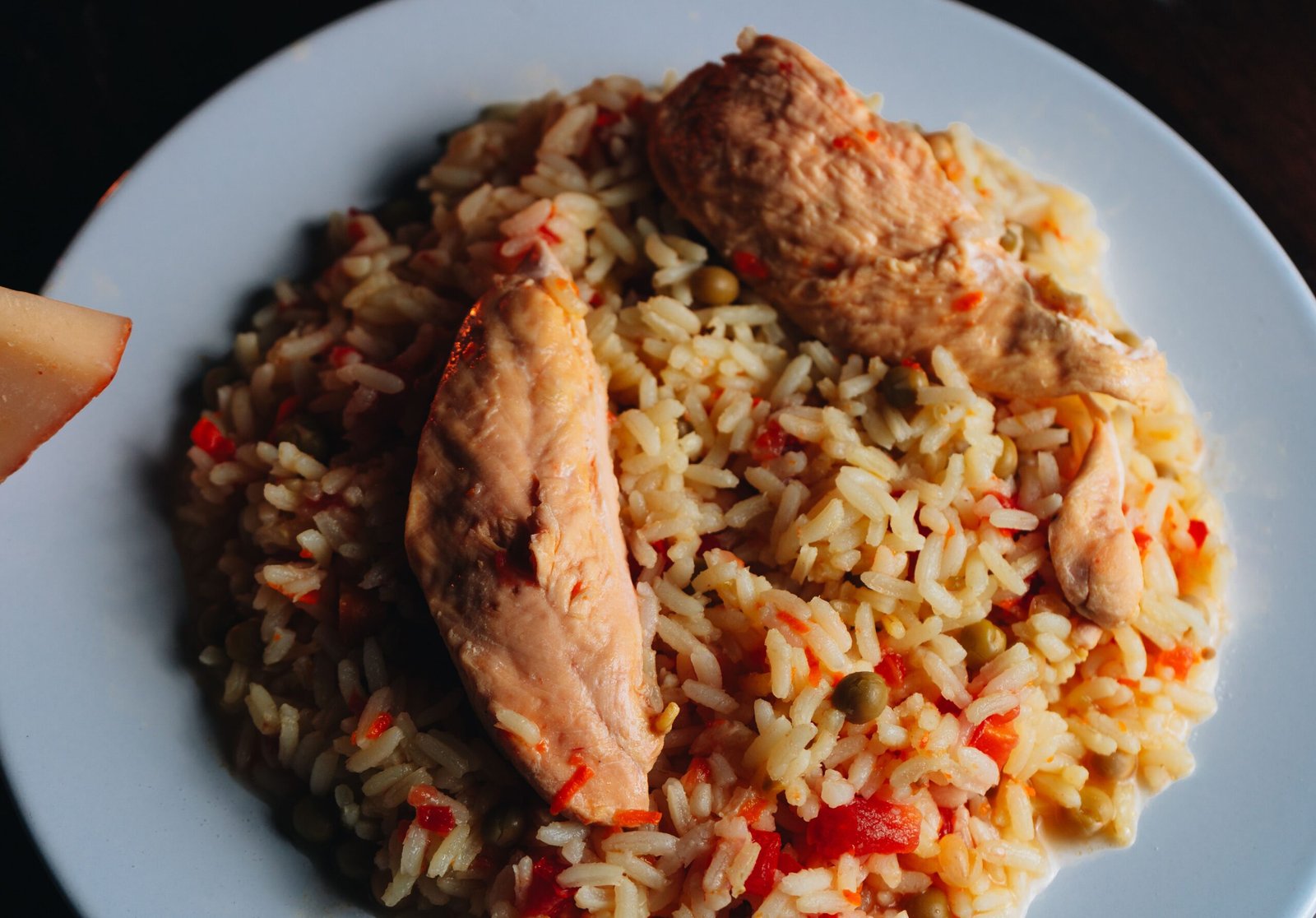
Searching for the best arroz con pollo cubano near me is an excellent starting point for anyone who wants to enjoy the rich, comforting flavors of Cuban cuisine. Arroz con pollo, which translates literally to “rice with chicken,” is a beloved dish found in many Spanish-speaking and Latin American food traditions, but Cuban preparations have their own distinctive character. A well-prepared Cuban arroz con pollo brings together tender chicken, seasoned rice, vegetables, aromatic ingredients, and a carefully developed base of flavor that turns a simple meal into a memorable dining experience. Contemporary descriptions of Cuban versions commonly emphasize seasoned rice, chicken, vegetables, sofrito-style flavor foundations, and the use of ingredients such as saffron or other seasonings for color and depth.
The challenge, however, is that a search for best arroz con pollo cubano near me may produce many restaurants serving general Latin American food, Spanish food, Caribbean dishes, or chicken and rice that is not necessarily prepared in a traditional Cuban style. For that reason, diners should look beyond a restaurant’s overall rating and examine the menu, cuisine specialization, food photographs, customer comments, and the restaurant’s approach to Cuban cooking. A strong local-food page should also recognize the intent behind a “near me” search: the reader is not simply researching the dish but is often trying to identify a relevant restaurant close enough to visit, order from, or contact.
What Is Arroz Con Pollo Cubano?
Arroz con pollo is one of the most recognizable comfort-food combinations in Latin cuisine, built around chicken and seasoned rice. The Cuban interpretation is particularly appealing because the dish can develop substantial flavor through the cooking process, allowing the rice to absorb savory juices and seasonings while the chicken becomes tender. Recipes and culinary descriptions vary from household to household, but Cuban-style versions are often associated with aromatic bases, colorful rice, vegetables, and deeply seasoned chicken. Some modern recipe sources specifically identify Cuban arroz con pollo as a Cuban and Latin main dish and describe variations that include ingredients such as sofrito, saffron or coloring alternatives, peas, and other traditional flavor components.
For a diner searching best arroz con pollo cubano near me, understanding the dish can make choosing a restaurant much easier. Authenticity does not always mean that every restaurant follows one identical recipe, because family traditions and regional preferences can produce meaningful variations. Instead, a good version should feel balanced, with flavorful rice, properly cooked chicken, and ingredients that complement rather than overwhelm the dish. The best restaurant experience often comes from a kitchen that understands Cuban culinary traditions while maintaining consistency in preparation and presentation.
Why Is Arroz Con Pollo Cubano So Popular?
One reason people continue searching for best arroz con pollo cubano near me is that the dish offers both familiarity and cultural character. Chicken and rice are widely enjoyed around the world, making the basic combination approachable even for someone trying Cuban cuisine for the first time. At the same time, the seasonings and cooking style can provide a flavor experience that feels distinctively different from ordinary chicken-and-rice meals. This balance makes the dish suitable for families, travelers, food enthusiasts, and diners who want to explore Caribbean and Latin American cuisine without choosing something completely unfamiliar.
Another reason for its popularity is versatility. Arroz con pollo can work as a filling lunch, a satisfying dinner, a family-style meal, or part of a larger Cuban dining experience. Some diners may prefer to enjoy it with other traditional dishes, while others may order it as the main attraction. Because restaurants can prepare the dish differently, comparing menus and customer experiences can help readers discover which local establishment best matches their expectations.
How to Find the Best Arroz Con Pollo Cubano Near Me
The easiest way to begin is to search the exact phrase best arroz con pollo cubano near me, but the search process should not end with the first results page. Look at restaurant listings and determine whether the businesses actually identify themselves with Cuban cuisine. A restaurant may have a high overall rating but specialize in another cuisine, meaning that its chicken-and-rice dish could be very different from what you are seeking. Search variations such as “Cuban restaurant near me,” “authentic Cuban food near me,” “Cuban chicken and rice near me,” and “Latin restaurant arroz con pollo” to broaden the search.
After identifying possible restaurants, examine their menus carefully. If the menu is available online, search for terms including “arroz con pollo,” “Cuban chicken and rice,” or related Spanish-language menu descriptions. A menu is often more useful than a restaurant’s general category because it confirms whether the specific dish is actually available. Restaurant SEO guidance also emphasizes that readable menus, accurate business information, reviews, photographs, and mobile-friendly local information are important elements of helping customers discover nearby dining options.
Check Reviews Before Choosing a Restaurant
Reviews can provide useful context when searching for the best arroz con pollo cubano near me, particularly when reviewers mention the actual dish rather than simply saying that a restaurant is good. Look for comments discussing flavor, freshness, portion size, chicken tenderness, rice texture, authenticity, and consistency. Recent reviews can be especially helpful because restaurant menus and kitchen quality may change over time.
However, do not rely entirely on the average star rating. A restaurant with thousands of reviews may have an excellent overall reputation while receiving little specific praise for Cuban cuisine. On the other hand, a smaller Cuban restaurant may have fewer reviews but receive highly detailed comments from diners who specifically discuss traditional dishes. Reading several reviews can provide a clearer picture than making a decision based solely on one numerical score.
Look for a Restaurant That Specializes in Cuban Cuisine
When your goal is to find best arroz con pollo cubano near me, specialization matters. A restaurant focused on Cuban cuisine is more likely to have experience with the flavors, ingredients, and preparation methods associated with the dish. This does not mean that every excellent arroz con pollo must come from a Cuban-only restaurant; talented Latin American or Caribbean restaurants may also prepare outstanding versions. Nevertheless, cuisine specialization can increase the chances of finding a meal with a stronger connection to Cuban culinary traditions.
Look at the rest of the menu as well. A restaurant offering multiple recognizable Cuban dishes may demonstrate a deeper culinary focus than one that includes arroz con pollo as a single item among dozens of unrelated international dishes. Menu context can therefore help diners distinguish between a genuinely Cuban food experience and a restaurant using a broad Latin or international menu category.
What Should Good Arroz Con Pollo Cubano Taste Like?
The best version of arroz con pollo should deliver flavor throughout the entire dish rather than relying on sauce or seasoning added at the last moment. The rice should be aromatic and savory, while the chicken should remain tender and substantial. Vegetables and seasonings should add color, texture, and complexity. Depending on the recipe, diners may encounter ingredients such as peppers, peas, tomato-based components, garlic, onions, saffron or similar coloring and seasoning ingredients, and a sofrito-style flavor base.
Texture is also important. The rice should ideally be cooked rather than dry, mushy, or excessively oily, while the chicken should not feel overcooked. Because the dish is relatively simple in concept, execution becomes especially important. A restaurant cannot hide poor preparation behind an overly complicated presentation. The quality of the rice, chicken, seasoning, and overall balance is what determines whether the meal deserves to be considered among the best arroz con pollo cubano near me options.
Search for Food Photos
Photographs can help diners make a better decision, especially when comparing several nearby restaurants. Look at official menu photographs, customer images, and recent social media posts where available. Food photos may reveal portion size, presentation style, rice color, chicken cuts, and whether the restaurant’s version appears consistent across multiple customer visits.
Photos should not be the only deciding factor because excellent food does not always photograph perfectly. Still, visual evidence can help eliminate restaurants that clearly do not serve the dish you want. Combining photos with menu information and detailed reviews is usually a stronger approach than relying on any single source.
Consider Distance, Delivery, and Dining Options
The phrase best arroz con pollo cubano near me contains an important word: “near.” The best restaurant on paper may not be the best practical choice if it is too far away, unavailable for delivery, or difficult to reach. Consider your purpose before making a final decision. If you want a fresh dine-in experience, prioritize restaurants within a reasonable travel distance and check their hours before leaving. If you want delivery, investigate whether the dish travels well and whether the restaurant has reliable delivery options.
Local restaurant discovery increasingly depends on complete information about location, menus, hours, reviews, and mobile accessibility, because diners often make quick decisions while searching from a phone. A useful article targeting this keyword should therefore help readers move from searching to choosing and finally to visiting or ordering.
Compare Multiple Restaurants Instead of Choosing the First Result
A common mistake is to search best arroz con pollo cubano near me and immediately select the first restaurant that appears. Search ranking can be useful, but it does not automatically guarantee that the first result offers the best version of a particular dish. Create a short list of several restaurants and compare them according to cuisine focus, menu availability, recent customer feedback, photographs, distance, price range, and convenience.
This approach also allows you to identify different types of recommendations. One restaurant may be ideal for a traditional dine-in experience, another may be more convenient for delivery, and another may offer a particularly large portion at a better value. The word “best” can mean different things depending on what the diner values most.
Why Local Keywords Matter for Food Searches
From an SEO perspective, best arroz con pollo cubano near me is a high-intent local keyword because the person searching is likely interested in taking action. Local search content performs best when it addresses the practical needs of nearby users rather than simply repeating a keyword. Relevant local pages should provide useful information, clear headings, natural keyword variations, restaurant details where appropriate, and helpful guidance that supports the searcher’s decision.
Modern keyword research guidance also emphasizes matching search intent rather than simply repeating an exact phrase. Searchers may use variations such as “Cuban arroz con pollo,” “Cuban food near me,” “authentic Cuban chicken and rice,” or “where to eat Cuban food near me.” Covering these related concepts naturally can make an article more useful and provide broader topical relevance.
Tips for Restaurants Targeting This Keyword
Restaurants that genuinely serve this dish can improve their chances of attracting relevant customers by creating accurate menu pages and detailed local business information. The menu should clearly describe the dish rather than hiding important information inside an image or an inaccessible file. Restaurants can also use natural language to explain ingredients, preparation style, portion information, and whether the dish is available every day or only at certain times.
A dedicated page can be particularly useful when a restaurant has a strong signature version of arroz con pollo. The page should focus on helpful information rather than keyword stuffing. It may include the dish’s description, photographs, restaurant location, opening hours, ordering options, customer reviews, and answers to frequently asked questions. Local SEO sources commonly recommend complete business profiles, accurate contact information, readable menus, location-specific content, and genuine reviews as part of a stronger restaurant discovery strategy.
Is Homemade or Restaurant Arroz Con Pollo Better?
There is no universal answer because the experience depends on what you want. Homemade arroz con pollo can offer family traditions and personal control over ingredients, while restaurant versions provide convenience and the opportunity to experience a chef’s or restaurant’s distinctive interpretation. If you are searching for best arroz con pollo cubano near me, the goal is usually to find a convenient and satisfying restaurant experience, especially when you want to enjoy the dish without preparing it yourself.
Trying multiple restaurants can also be part of the enjoyment. Cuban cuisine varies between families, chefs, and establishments, so discovering different versions of the dish may help you develop your own preferences. You may prefer a version with more vegetables, a deeper seasoning profile, tender bone-in chicken, or a particular style of rice.
How to Make Your Final Choice
Before choosing a restaurant, ask yourself a few practical questions. Does the restaurant actually serve Cuban-style arroz con pollo? Does the menu clearly list the dish? Do recent reviews mention Cuban food or the specific meal? Are customer photographs appealing and consistent? Is the restaurant conveniently located? Is it open when you plan to visit? Does the price match your expectations?
Answering these questions can help you move beyond a generic search and find a restaurant that fits your specific needs. The strongest choice is not necessarily the closest restaurant or the one with the highest overall rating. It is the restaurant that combines relevance, food quality, authenticity, convenience, and a positive dining experience.
Conclusion
The search for the best arroz con pollo cubano near me can lead to a delicious exploration of Cuban cuisine when approached carefully. Arroz con pollo is more than a simple combination of chicken and rice; a well-prepared Cuban version can bring together seasoned rice, tender chicken, vegetables, and aromatic ingredients in a satisfying comfort-food experience. Culinary descriptions and recipes show that Cuban interpretations can vary while maintaining a recognizable emphasis on richly flavored chicken and rice.
To find the best option in your area, compare Cuban and Latin restaurants, inspect menus, read recent reviews, examine food photographs, and consider distance and availability. Rather than choosing the first result, take a few minutes to evaluate several options. With the right search strategy, finding best arroz con pollo cubano near me becomes easier, and your next meal may introduce you to a memorable version of one of Cuba’s most comforting and flavorful dishes.
Frequently Asked Questions
What is arroz con pollo cubano?
Arroz con pollo cubano is a Cuban-style chicken and rice dish. Recipes vary, but the dish generally combines seasoned rice with chicken, vegetables, and aromatic ingredients, and Cuban versions may use a deeply flavored base with ingredients that add color and complexity to the rice.
How do I find the best arroz con pollo cubano near me?
Search using the main keyword along with variations such as “Cuban restaurant near me,” “authentic Cuban food near me,” and “Cuban chicken and rice near me.” Then compare menus, reviews, photographs, distance, and recent customer feedback.
Is arroz con pollo the same in every Latin American country?
No. Many Latin American and Caribbean cuisines have versions of arroz con pollo, but ingredients, seasonings, cooking techniques, and presentation can differ significantly. Cuban versions have their own culinary traditions and recipe variations.
What should I look for in authentic Cuban arroz con pollo?
Look for flavorful seasoned rice, tender chicken, a balanced combination of aromatics and vegetables, and a preparation style that reflects Cuban culinary traditions. Because recipes vary, authenticity can include meaningful family and regional differences.
Can I order arroz con pollo cubano for delivery?
This depends on the restaurant. Check the restaurant’s official ordering options or local delivery services and confirm that the dish is available in your area.
Are reviews important when choosing a Cuban restaurant?
Yes. Reviews can be particularly useful when customers specifically mention arroz con pollo, food quality, authenticity, service, and consistency. Reading several recent reviews is usually more helpful than relying only on an overall star rating.
What other dishes can I try with arroz con pollo cubano?
Depending on the restaurant, you may find other Cuban specialties, side dishes, plantains, beans, salads, soups, or desserts. Reviewing the full menu can help you create a broader Cuban dining experience.
Is “best arroz con pollo cubano near me” a good SEO keyword?
Yes, it has clear local and commercial intent because it suggests that the searcher wants to find a nearby place serving a specific dish. For the best SEO results, use the keyword naturally and support it with related phrases and genuinely helpful local information rather than repeating it excessively.
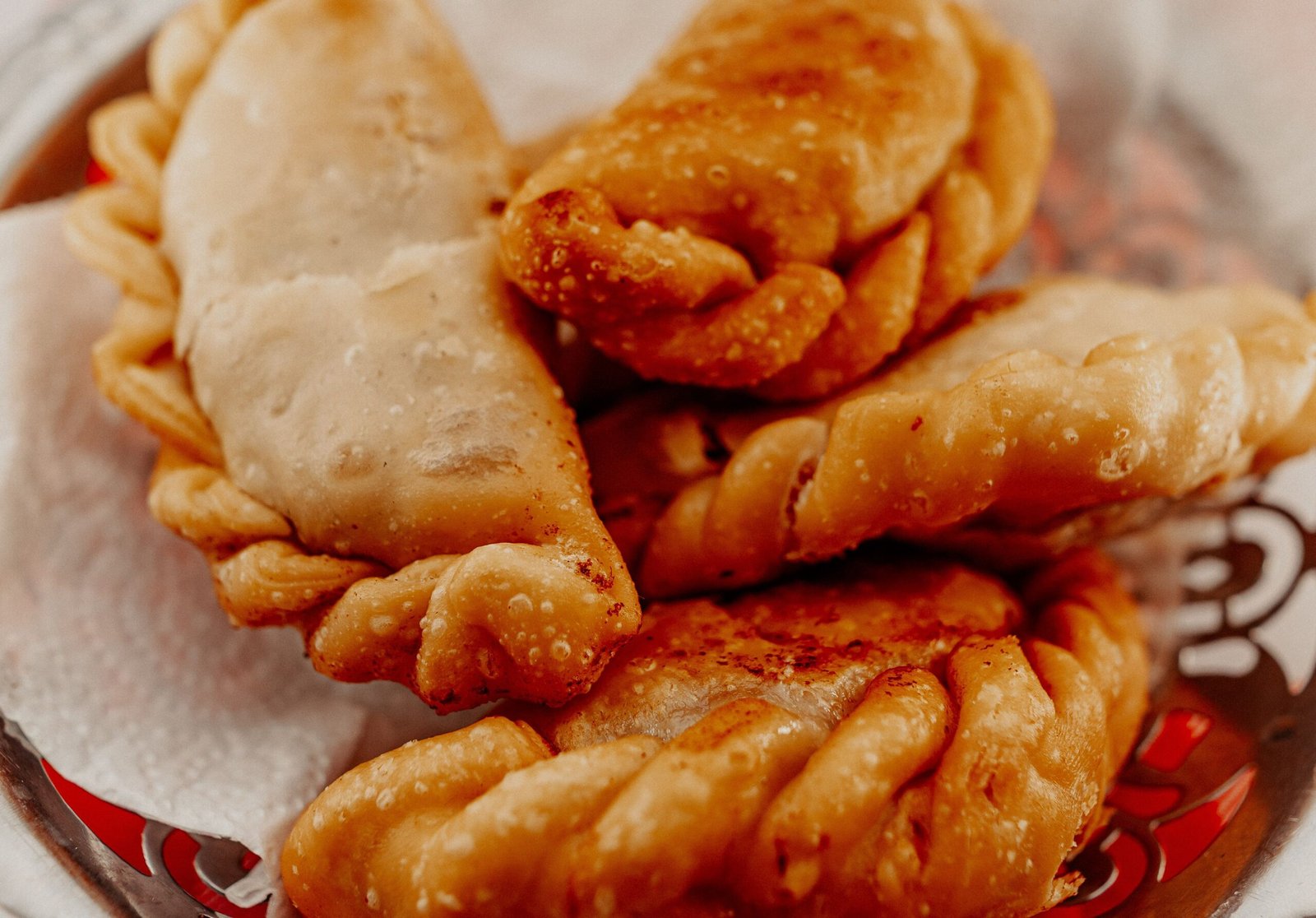
Searching for the best empanadas de cazón near me is a great way to discover one of the most distinctive dishes associated with Venezuelan coastal cuisine. Unlike ordinary meat, cheese, or chicken empanadas, empanadas de cazón combine a crisp corn-based exterior with a savory filling made from seasoned cazón, a type of small shark commonly used in traditional Venezuelan cooking. The dish is particularly associated with Margarita Island and the eastern coastal regions of Venezuela, where it has become an important part of local food culture. Traditional preparations generally feature a flavorful fish filling cooked with ingredients such as onion, peppers, garlic, tomatoes, and herbs before being enclosed in corn dough and fried until golden and crisp.
When people search for the best empanadas de cazón near me, they are usually looking for more than simply a restaurant that sells empanadas. They want an authentic experience, a flavorful filling, a properly prepared crust, and the kind of homemade character that makes Venezuelan food memorable. Because cazón empanadas may not appear on every restaurant’s regular online menu, finding them can sometimes require a little more research than finding common empanada varieties. Checking Venezuelan restaurants, Latin American cafés, customer reviews, food photographs, social media pages, and daily specials can make the search much easier. Calling ahead is also a smart idea because traditional seafood fillings may be prepared only on particular days.
What Are Empanadas de Cazón?
Before searching for the best empanadas de cazón near me, it helps to understand exactly what this specialty is. Empanadas de cazón are traditionally prepared by filling a corn-based dough with cooked, shredded cazón that has been seasoned and combined with a flavorful sofrito. The result is a handheld food with a crunchy golden exterior and a moist, savory center. Unlike some baked empanadas made from wheat pastry, Venezuelan empanadas commonly use corn flour, giving them a characteristic texture and flavor that immediately distinguishes them from many other Latin American empanada styles. Traditional Margarita-style recipes emphasize a relatively thin, crisp corn shell and a well-seasoned cazón filling.
The flavor of the filling is one of the most important parts of a great empanada de cazón. The fish itself tends to have a mild flavor and firm texture, which makes it suitable for shredding and combining with aromatic vegetables and seasonings. A good filling should not taste overwhelmingly fishy or dry. Instead, the seafood should work together with the sofrito so that every bite contains a balance of savory, aromatic, and slightly sweet flavors. When the filling is enclosed inside freshly fried corn dough, the contrast between the crunchy exterior and tender interior is what makes this food particularly satisfying.
Why Are Empanadas de Cazón So Popular?
One reason empanadas de cazón have such a strong following is their connection to Venezuelan coastal culture. Seafood has naturally played an important role in communities located near the Caribbean coast, and cazón became an ingredient used in a variety of traditional preparations. Empanadas offered a practical way to turn seasoned fish into a portable meal that could be enjoyed for breakfast, lunch, as a snack, or as part of a larger family meal. Their association with Margarita Island and Venezuelan coastal traditions has helped make them one of the country’s recognizable regional specialties.
Another reason people searching for the best empanadas de cazón near me are often impressed is the combination of textures. A properly fried empanada should have a crisp exterior without becoming excessively hard or oily, while the filling should remain moist and flavorful. The corn dough provides a slightly earthy taste that works naturally with the seasoned fish. Depending on the restaurant or family recipe, the filling may have subtle differences in seasoning, moisture, texture, and spice level. Those small differences are part of what makes comparing empanadas from different Venezuelan kitchens so enjoyable.
How to Find the Best Empanadas de Cazón Near Me
Finding the best empanadas de cazón near me requires a slightly different search strategy from finding a generic fast-food restaurant. Start by searching for Venezuelan restaurants, Venezuelan cafés, Latin American restaurants, and restaurants that specialize in Caribbean or South American cuisine. The reason is simple: many restaurants do not list every individual dish on their main website or business profile. A restaurant may prepare empanadas de cazón as a weekend special, breakfast item, seasonal dish, or limited daily offering without prominently displaying it online.
Once you find a potential restaurant, look carefully at its customer photographs and recent reviews. Search within reviews for terms such as “cazón,” “empanadas,” “Venezuelan,” “Margarita,” or “seafood.” Customer photographs can also be extremely useful because they may show dishes that are missing from the restaurant’s official menu. If the restaurant appears promising but you cannot confirm whether empanadas de cazón are currently available, contacting the restaurant before traveling is one of the easiest ways to avoid disappointment. Current online search results also suggest that this dish can be difficult to locate through generic searches because restaurants may not publish every traditional item on their menus.
What Makes the Best Empanadas de Cazón?
The best empanadas de cazón near me should begin with a well-prepared filling. The cazón should be cooked properly and shredded into pieces that are small enough to distribute throughout the empanada without becoming mushy. A flavorful sofrito made with ingredients such as onion, peppers, garlic, tomatoes, and herbs can add depth without overpowering the seafood. The filling should be moist enough to remain enjoyable after frying, but it should not contain so much liquid that it makes the dough soggy or causes the empanada to split during cooking.
The exterior is equally important. Traditional Venezuelan empanadas use corn-based dough, and Margarita-style preparations are known for a crisp, golden shell. A good empanada should feel crisp when you bite into it but should not be excessively greasy. The dough should be cooked all the way through while retaining enough structure to hold the filling securely. If an empanada arrives soft, unusually oily, burned, or cracked open with the filling spilling out, it may not have been fried or assembled correctly.
Look for Freshly Fried Empanadas
If you are serious about finding the best empanadas de cazón near me, freshness should be one of your priorities. Empanadas are generally at their most enjoyable shortly after frying because the shell is still crisp and the filling is warm. An empanada that has been sitting for an extended period can lose some of its texture as moisture from the filling moves into the corn dough. This does not necessarily mean that every pre-prepared empanada is poor quality, but freshly fried versions usually provide a better contrast between the crunchy shell and tender filling.
When visiting a restaurant, you can ask whether the empanadas are fried to order. If they are, you may have to wait a few extra minutes, but the result can be worth it. Some busy Venezuelan restaurants prepare empanadas continuously during peak breakfast or lunch hours, while smaller establishments may prepare them in batches. Either approach can work well when the restaurant has good control over cooking temperature and holding time.
Check the Cazón Filling Before You Order
The filling is what separates a genuine empanada de cazón from a generic seafood empanada. If a restaurant describes the dish simply as a “fish empanada,” it is worth asking what type of fish is being used. Cazón is traditionally associated with the dish, although recipes and ingredient availability can vary from one location to another. Some recipes also acknowledge that cooks may substitute another firm fish when cazón is unavailable.
A good restaurant should be able to tell you what is inside its empanadas and how the filling is prepared. Ask whether the fish is shredded, whether it is cooked with a sofrito, and whether the empanadas are made fresh. These questions are especially useful if you are looking for an authentic Venezuelan experience rather than simply wanting any fried seafood pastry.
Authentic Venezuelan Empanadas Near Me
People searching for authentic Venezuelan empanadas near me may encounter many different fillings, including beef, chicken, cheese, black beans, and seafood. All can be delicious, but empanadas de cazón have a special regional identity because of their connection to Venezuela’s coastal areas. A restaurant with Venezuelan ownership, traditional family recipes, or a menu inspired by regional Venezuelan cooking may be a particularly promising place to investigate.
Authenticity does not necessarily mean that every restaurant has to prepare the dish in exactly the same way. Family recipes naturally evolve, and restaurants sometimes adjust seasoning or preparation techniques according to local ingredients and customer preferences. What matters is that the dish retains the essential character of a Venezuelan empanada: corn dough, a flavorful filling, careful frying, and a connection to the culinary traditions that inspired it.
Best Places to Search for Empanadas de Cazón
When searching for the best empanadas de cazón near me, Venezuelan restaurants should be your first choice because they are more likely to understand the traditional preparation. Venezuelan bakeries, cafés, food trucks, Latin American markets with prepared-food counters, and Venezuelan-owned catering businesses can also be worth checking. Small businesses sometimes offer traditional dishes that never appear on major food-delivery platforms, so searching beyond the largest restaurant apps can uncover interesting local options.
Food markets and community events can also be useful places to look. Venezuelan cultural events and Latin American food festivals sometimes feature regional specialties that are difficult to find on everyday restaurant menus. If you discover a vendor serving empanadas de cazón, ask whether they operate a permanent restaurant or sell at other local events. This can turn one successful food search into a list of places to explore in the future.
Read Reviews Before Choosing a Restaurant
Online reviews can help when searching for the best empanadas de cazón near me, but it is important to read them carefully rather than relying only on the overall star rating. A restaurant may have excellent ratings for burgers, pizza, desserts, or other dishes while having little information about its Venezuelan specialties. Instead, look for reviews that specifically mention empanadas, seafood, Venezuelan food, or cazón.
Recent reviews are particularly useful because menus and chefs can change over time. If several customers recently mention crispy empanadas, generous fillings, fresh preparation, and authentic Venezuelan flavor, that is a stronger signal than a single review from several years ago. Photos uploaded by customers can provide another useful clue because they allow you to see the size, shape, color, and filling of the actual empanadas served at the restaurant.
What Should You Eat With Empanadas de Cazón?
The best empanadas de cazón near me can be enjoyed by themselves, but sauces and beverages can make the experience even better. Venezuelan-style spicy sauces, garlic-based sauces, or fresh salsas can add another layer of flavor to the savory filling. Some restaurants may have their own house sauces, and asking about the recommended accompaniment can be a good way to discover how the kitchen traditionally serves the dish.
For drinks, a refreshing fruit juice or another chilled nonalcoholic beverage can balance the richness of a freshly fried empanada. Passion fruit and other tropical fruit drinks are natural companions for Venezuelan and Caribbean-inspired meals. The ideal combination ultimately depends on your taste, but the basic idea is to pair the crispy, savory empanada with something refreshing rather than something that overwhelms its flavor.
Are Empanadas de Cazón Good for Breakfast?
Yes, empanadas are commonly enjoyed as a breakfast or snack food in Venezuelan cuisine, although they can also be eaten at other times of the day. A freshly fried corn empanada filled with seasoned cazón can make a satisfying meal because it combines carbohydrates from the dough with a savory seafood filling. Venezuelan food culture gives empanadas a flexible role, which means you may find them at breakfast counters, cafés, restaurants, food stalls, and family gatherings.
If you are searching for the best empanadas de cazón near me early in the day, check the restaurant’s breakfast hours before visiting. Some places may sell their empanadas primarily in the morning, while others may prepare them throughout the day. A quick phone call or an up-to-date business listing can help you determine the best time to visit.
Why Margarita Island Is Important to Empanadas de Cazón
Margarita Island is strongly associated with empanadas de cazón and the broader culinary tradition of Venezuela’s Nueva Esparta region. Traditional Margarita recipes emphasize seasoned cazón, thin corn dough, and frying until the empanada becomes golden and crisp. This regional connection is one reason food lovers often search for “Margarita-style” empanadas when they want a more traditional version of the dish.
The connection to the island also demonstrates why food can be much more than a simple list of ingredients. Empanadas de cazón represent coastal ingredients, local cooking techniques, family traditions, and the everyday food culture of communities that have prepared seafood for generations. When you find a restaurant that takes these details seriously, the dish can provide a small taste of Venezuelan coastal cuisine even when you are far from Venezuela.
Questions to Ask Before Ordering
If you are determined to find the best empanadas de cazón near me, do not be afraid to ask the restaurant a few simple questions. You can ask whether the empanadas contain actual cazón, whether they are prepared fresh, whether they are fried to order, and what sauces are served with them. If you have dietary restrictions or allergies, ask about the ingredients in both the dough and filling and whether the cooking oil is shared with other foods.
You can also ask whether the restaurant follows a traditional Venezuelan or Margarita-style recipe. The answer does not automatically determine whether the food will be good, but it can provide useful context. Restaurants that know the regional background of their dishes are often better equipped to explain what makes their version distinctive and how they recommend eating it.
Common Mistakes When Searching for Empanadas de Cazón Near Me
One common mistake is searching only the exact phrase “best empanadas de cazón near me” and assuming that every relevant restaurant will appear in the results. Search engines and restaurant platforms depend heavily on how businesses describe themselves, and a restaurant may offer cazón empanadas without using that exact phrase in its online profile. Expanding your search to include “Venezuelan restaurant near me,” “Venezuelan empanadas,” “Margarita food,” or “Latin American seafood” can produce more possibilities.
Another mistake is choosing a restaurant based solely on its overall rating. A highly rated restaurant is not automatically the best place for this particular dish. Look for evidence related specifically to the food you want to eat. Recent customer comments, photographs, menu descriptions, and direct confirmation from the restaurant can all provide more useful information than a general rating.
How to Get the Best Takeout Experience
If you are ordering empanadas de cazón near me for takeaway, try to eat them relatively soon after pickup. The longer a fried empanada sits in a closed container, the more likely steam will soften the crispy exterior. If you have a longer journey home, ask the restaurant whether they have a preferred packaging method that helps preserve the texture.
When you arrive home, you can also improve the experience by serving the empanadas immediately rather than leaving them in the container. If reheating is necessary, a suitable oven or air fryer can help restore some crispness, although freshly fried empanadas will generally provide the best texture. The goal is to preserve the contrast between the crisp corn shell and moist cazón filling.
Why People Keep Searching for the Best Empanadas de Cazón Near Me
The popularity of this search comes from the fact that empanadas de cazón are both familiar and unusual. An empanada is recognizable to many people, but the cazón filling gives the dish a distinctive regional identity. Someone who has already tried beef, chicken, or cheese empanadas may be curious about a seafood version, while Venezuelan diners may be searching for the flavors of home.
For newcomers, empanadas de cazón can also be an approachable introduction to Venezuelan seafood cuisine. The crispy shell provides a familiar handheld format, while the seasoned fish filling introduces the flavors of Venezuelan coastal cooking. This combination makes the dish suitable for both people who already love Venezuelan food and people who are exploring the cuisine for the first time.
Conclusion
Finding the best empanadas de cazón near me is about more than locating the closest restaurant that sells an empanada. The best experience comes from finding a place that understands the Venezuelan tradition behind the dish and takes care with the corn dough, seasoned cazón filling, frying process, and accompanying sauces. Because empanadas de cazón are especially associated with Margarita Island and Venezuela’s coastal cuisine, a restaurant that highlights regional Venezuelan cooking can be an excellent place to begin your search.
Start by searching for Venezuelan restaurants, cafés, bakeries, food trucks, and Latin American businesses in your area. Read recent reviews, examine customer photographs, check menus and daily specials, and contact the restaurant when the availability of cazón is unclear. These simple steps can help you move beyond generic search results and find a version that is freshly prepared, flavorful, crisp, and closer to the traditional dish.
Whether you are already familiar with Venezuelan cuisine or are trying cazón for the first time, a well-made empanada can be an excellent introduction to the country’s coastal food traditions. The next time you search for the best empanadas de cazón near me, look beyond convenience and consider authenticity, freshness, ingredients, reviews, and preparation. With a little research, you may discover a memorable Venezuelan food experience close to home.
Frequently Asked Questions About Empanadas de Cazón
What are empanadas de cazón?
Empanadas de cazón are Venezuelan empanadas traditionally made with corn-based dough and a seasoned filling of cooked, shredded cazón. The filling is commonly prepared with aromatic vegetables and herbs before being enclosed in the dough and fried until golden and crisp.
What is cazón?
Cazón is a Spanish culinary term used for certain small sharks. Its firm, mild meat makes it suitable for cooking and shredding into traditional dishes, including Venezuelan empanadas de cazón.
Where do empanadas de cazón come from?
Empanadas de cazón are strongly associated with Venezuela, particularly Margarita Island and the eastern coastal region. Margarita-style recipes are known for their seasoned cazón filling and crisp corn dough.
How do I find the best empanadas de cazón near me?
Search for Venezuelan restaurants, Venezuelan cafés, Latin American food businesses, and restaurants specializing in coastal Venezuelan cuisine. Check recent reviews and customer photographs, and contact the restaurant to confirm that cazón empanadas are currently available.
Are empanadas de cazón fried or baked?
Traditional Venezuelan preparations are generally fried, producing the characteristic golden and crispy exterior associated with the dish. Margarita-style recipes specifically emphasize frying the corn-dough empanadas until crisp.
Are empanadas de cazón spicy?
They do not have to be very spicy. The flavor usually comes from the seasoned fish and aromatic sofrito, although restaurants may offer spicy sauces or adjust the seasoning according to their own recipe.
What should I look for in a good empanada de cazón?
Look for a crisp golden shell, a flavorful and moist filling, properly seasoned shredded fish, and an empanada that is not excessively greasy. Fresh preparation is another important sign because fried corn dough is usually at its best shortly after cooking.
Can I get empanadas de cazón for takeaway?
Many restaurants that serve empanadas offer takeaway, but availability varies. Because the dish can be prepared as a daily or limited special, it is best to confirm with the restaurant before placing a larger order.
What other Venezuelan foods should I try?
If you enjoy empanadas de cazón, consider exploring other Venezuelan specialties such as arepas, cachapas, pabellón criollo, tequeños, and other regional seafood dishes. Trying several dishes can provide a better understanding of the variety within Venezuelan cuisine.
Why are empanadas de cazón associated with Margarita Island?
Margarita Island has a strong seafood and coastal culinary tradition, and cazón became an important ingredient in local cooking. The island’s traditional empanadas are particularly known for combining seasoned cazón with thin, crispy corn dough.
Is every fish empanada an empanada de cazón?
No. A fish empanada can contain many types of fish, whereas an empanada de cazón specifically refers to the traditional cazón filling. If authenticity matters to you, ask the restaurant what fish it uses before ordering.
Should I call before visiting a restaurant?
Yes. Calling ahead is especially useful for traditional dishes such as empanadas de cazón because they may not be available every day. A quick call can confirm availability, preparation time, ingredients, and whether the restaurant is currently serving the dish you want.


People Crossword: A Complete Guide to Solving People-Themed Crossword Clues

Michigan Man $1M Lottery Win: What Happened and How the Million-Dollar Prize Was Won

Michelle Randolph Biography: Career, Movies, TV Shows and Rise to Fame

The Ultimate Guide to Watching “Трон Смотреть”: Exploring the Digital Frontier

The Ultimate Guide to IRB SDSU: Navigating Human Subjects ResearchThe Ultimate Guide to IRB SDSU: Navigating Human Subjects Research at San Diego State Universityat San Diego State University

Renee Andrietti: The Woman Behind Rock Legend Bob Seger’s First Marriage
 Entertainment4 months ago
The Ultimate Guide to Watching “Трон Смотреть”: Exploring the Digital Frontier
- Tech4 months ago
The Ultimate Guide to IRB SDSU: Navigating Human Subjects ResearchThe Ultimate Guide to IRB SDSU: Navigating Human Subjects Research at San Diego State Universityat San Diego State University
- Entertainment4 months ago
Renee Andrietti: The Woman Behind Rock Legend Bob Seger’s First Marriage
- art4 months ago
Gravity Points: The Complete Guide to Understanding and Calculating Wort Strength in Homebrewing
- Fashion4 months ago
Michelle Smallmon’s Marital Status: A Deep Dive into the Private Life of ESPN’s Rising Star
- Fashion4 months ago
Constantine Yankoglu: The Private Life Behind a Name People Keep Searching
- Business4 months ago
Voozon.com: The All-in-One Digital Growth Platform for Modern Businesses
- Health3 months ago
How to Meditate on God’s Word: A Comprehensive Guide to Deepening Your Faith Through Biblical Meditation