
Gaming
Gamer Challenger: The Ultimate Guide to Dominating the Competitive Gaming Arena in 2026

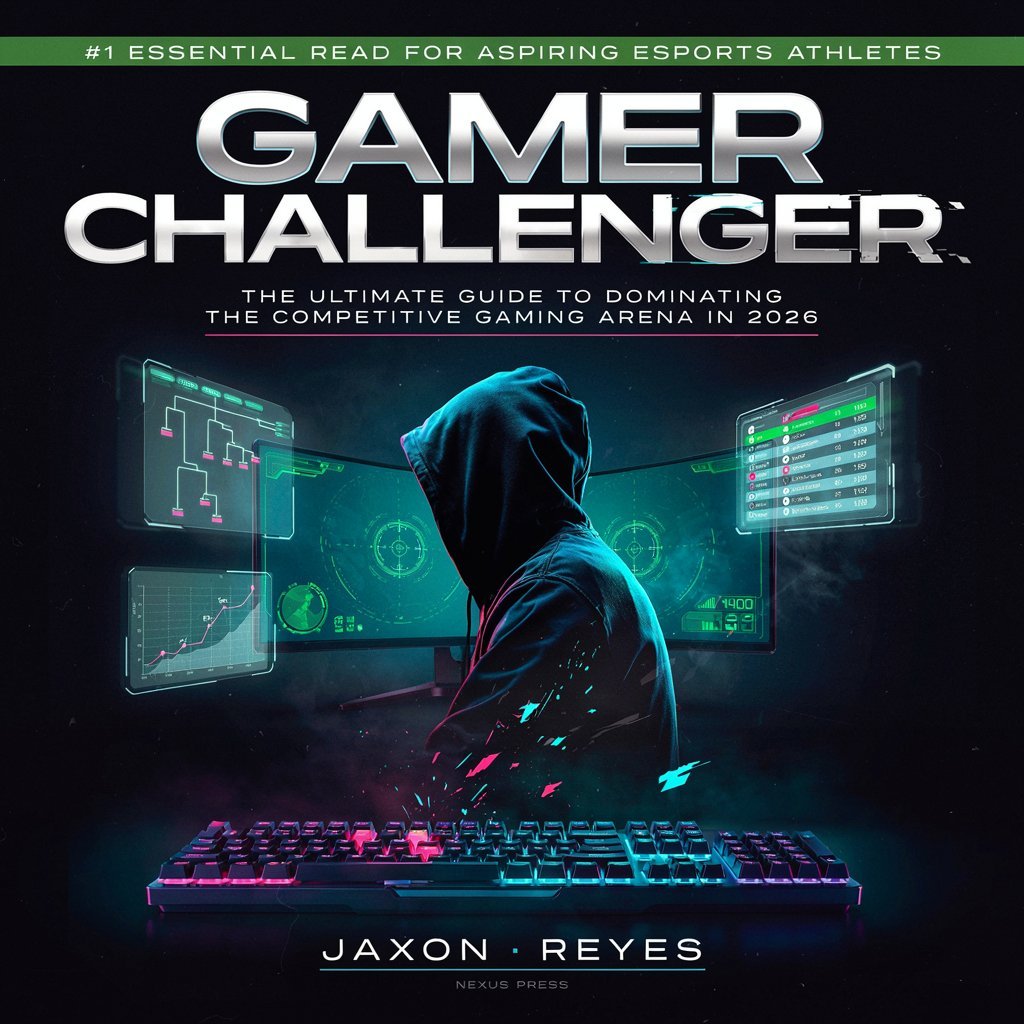
The gaming landscape has undergone a seismic shift in recent years. What was once a casual pastime has evolved into a global industry where skill, strategy, and mindset separate the ordinary from the extraordinary. At the heart of this transformation lies a new breed of player known as the Gamer Challenger—an individual who doesn’t just play games but actively seeks out competition, embraces difficult challenges, and relentlessly pursues improvement . This comprehensive guide explores everything you need to know about becoming a true Gamer Challenger, from cultivating the right mindset to mastering advanced strategies that will elevate your gameplay to the next level. Whether you are a casual gamer looking to climb the ranks or an aspiring esports competitor, the path of the Challenger is one of continuous growth, resilience, and dedication that will transform how you approach gaming forever .
What Defines a Gamer Challenger?
A Gamer Challenger is fundamentally different from a casual player. While casual gamers might play for relaxation or entertainment, a Gamer Challenger approaches gaming with intentionality and purpose. They actively seek out difficult matchups and challenging opponents not as obstacles to be avoided, but as opportunities for growth . This mindset is characterized by an unwavering commitment to improvement, a deep understanding of game mechanics, and the ability to adapt playstyle on the fly. Unlike the “Stop Having Fun” guys who criticize others for suboptimal play, the Challenge Gamer focuses inward, striving to push their own skills to the absolute limit . They set clear goals, embrace failure as a learning opportunity, and consistently analyze their performance to identify areas for improvement . The Gamer Challenger understands that raw talent alone is never enough—it is the combination of natural ability, deliberate practice, and mental fortitude that leads to mastery .
The Mindset of a Champion: Cultivating the Challenger Attitude
The most critical asset any Gamer Challenger possesses is their mental approach to competition. This mindset involves developing resilience in the face of defeat, maintaining a growth-oriented perspective, and managing emotions during high-pressure gameplay . Many aspiring challengers make the critical mistake of attributing losses solely to external factors such as teammates, lag, or game balance rather than focusing on personal areas for improvement . The true challenger embraces failure not as an endpoint but as valuable data—every loss provides insights into weaknesses, strategic gaps, or mechanical errors that can be addressed . Cultivating this mindset requires learning to detach emotionally from outcomes and focus on the process of improvement. This means actively seeking constructive criticism from peers, using self-analysis tools to review gameplay, and maintaining mental stamina through regular breaks and mindfulness practices . The most successful challengers understand that long gaming sessions can be draining, and they develop routines for rest, hydration, and mental clarity that enhance decision-making when it matters most .
Essential Strategies for the Gamer Challenger
Effective strategies form the backbone of any Gamer Challenger‘s success. These strategies are not static—they evolve with game updates, shifting metas, and player innovations . A key component is staying current with the prevailing strategies and character picks considered most effective at any given time, which involves regular review of patch notes, community discussions, and professional play . However, true challengers go beyond merely following the meta—they deliberately practice against their preferred playstyle to broaden their adaptability. For example, if a player naturally excels at aggressive tactics, they might practice defensive setups. If they prefer long-range combat, they would do well to practice close-quarters engagements . This approach makes them more unpredictable opponents and reveals new tactical advantages and counter-play options . Strategic preparation extends beyond in-game tactics to include optimizing gaming setups for performance, ensuring stable internet connectivity, and understanding hardware capabilities. In fast-paced games, a stable high frame rate often proves more valuable than slightly prettier graphics .
Mastering Game Mechanics and Techniques
Mastering gaming techniques is essential for anyone aspiring to be a true Gamer Challenger . The journey begins with understanding the mechanics of the chosen game—learning controls, movement patterns, and the unique abilities possessed by each character or unit . Familiarity breeds confidence, and confidence translates directly into better gameplay performance. For action games, this means perfecting reflexes, quick thinking, and precise movements that can make the difference between victory and defeat in fast-paced scenarios . Strategy games require a different skill set entirely—focusing on planning, resource management, and anticipating opponents’ moves while executing tactics flawlessly. Role-playing games (RPGs) immerse players in rich narratives where character development and skill honing through quests become paramount. Multiplayer online battle arenas (MOBAs) emphasize teamwork and coordination, where mastering specific roles within the team can significantly boost overall performance . The true Challenger explores various genres to identify strengths while building a diverse skill set that enriches gaming experience and competitiveness .
The Power of Practice and Consistency
Practice is the cornerstone of becoming a true Gamer Challenger. However, it is not just about playing frequently—it is about intentional practice that focuses on improving specific skills . Consistency is equally vital, as regularly dedicating time to play helps reinforce learning and builds muscle memory, making complex maneuvers feel effortless over time . Successful challengers set achievable goals during practice sessions, whether mastering a new character, perfecting aim, or improving specific techniques . These small milestones keep motivation high and provide clear markers of progress. Analyzing gameplay by reviewing past matches allows players to identify weaknesses and areas for growth, making each session more productive . The most effective practice involves focused sessions rather than marathon gaming—shorter, concentrated practice of one to two hours daily proves more effective for long-term improvement and preventing burnout than occasional marathon sessions . This approach ensures that each practice session yields new insights ready for implementation in future matches .
Navigating the Competitive Gaming Scene
Stepping into the competitive gaming scene can feel like entering a new universe, with each game having its own culture, community, and unwritten rules . Understanding these nuances is crucial for any aspiring Gamer Challenger. The journey typically begins with researching tournaments relevant to the chosen game—platforms like ESL or FACEIT offer structured competitions that help players gauge their skills against others . Networking plays a vital role in competitive advancement, and engaging with fellow gamers on forums or social media can lead to opportunities for team placements or collaborations . The competitive scene is characterized by massive spikes in search activity around game releases, meta changes, and tournament schedules—for example, when a new patch drops for popular games, search volume for guides and strategies explodes overnight . Timing content and practice around these events can provide significant advantages . Participating in local events and community tournaments builds visibility while sharpening competitive instincts, and the more immersed players become in the scene, the better prepared they will be for high-stakes matches .
Communication and Teamwork: The Social Side of Competitive Gaming
Effective communication is the backbone of successful gaming teams, particularly in competitive environments . The first step is establishing clear roles for each team member, knowing who does what to streamline decision-making during intense moments. Using voice chat or in-game messaging wisely with clear, concise calls can make a huge difference in strategy execution, while avoiding unnecessary chatter ensures focus remains where it belongs . Encouraging feedback among teammates fosters a culture of growth, where constructive criticism helps everyone understand their strengths and weaknesses better . Remembering that feedback is about improvement, not blame, creates a positive team dynamic . Practicing teamwork outside of competition through casual games helps build rapport and trust within the group—a united team often performs better under pressure. Keeping an open mind to different playstyles and strategies from teammates can lead to innovative tactics that provide a competitive edge . This collaborative approach extends beyond immediate team members to the broader gaming community, where challengers who share tips, demonstrate techniques, and discuss strategies in real time inspire others to improve .
Health and Wellness for Competitive Gamers
To excel as a Gamer Challenger, maintaining mental and physical health is absolutely vital . Long hours in front of the screen can lead to fatigue and burnout, making regular breaks essential for recharging mind and body . Incorporating physical activity into routines—whether stretching, yoga, or quick workout sessions—enhances focus and reduces stress, and aiming for at least thirty minutes of exercise each day provides significant benefits . Mental sharpness matters just as much, and engaging in activities that promote cognitive skills such as puzzles or strategy games outside gaming sessions helps maintain mental acuity. Meditation can also be beneficial for improving concentration while reducing anxiety . Staying hydrated and eating nutritious meals fuels gameplay effectively—balanced diets rich in vitamins support brain function and overall well-being . Connecting with fellow gamers for social interaction fosters community spirit while combating feelings of isolation often faced by competitive players . Scheduling rest days and maintaining balance between gaming, social life, and other interests prevents burnout and ensures sustainable long-term performance .
Advanced Strategies and Techniques for Competitive Play
Beyond the basics, advanced strategies distinguish exceptional challengers from the merely competent. One effective approach is deliberately practicing against preferred playstyles to broaden adaptability and become a more unpredictable opponent . Players who actively engage with game metas, study professional players, and meticulously analyze their own successes and failures consistently improve more rapidly . Watching replays or recordings to identify mistakes, taking notes on what worked and what did not, and learning from professional streams or tutorials accelerates skill development . Using training tools or in-game drills to focus on specific weak spots, warming up before serious sessions to build consistency, and tracking progress metrics such as accuracy or win rate provide measurable evidence of improvement . Successful challengers review progress weekly, asking themselves whether they did better than the previous week, what mistakes they keep making, and what small change they can try next . This systematic approach to improvement ensures that every session contributes to long-term growth and competitive success.
Community Engagement and Learning Resources
The collective knowledge of the gaming community serves as an invaluable resource for any aspiring challenger . Engaging with forums, Discord servers, and social media groups dedicated to specific games provides insights into current strategies, meta shifts, and emerging talent . Many professional players and coaches actively participate in these communities, offering advice and sharing their expertise . Players who actively participate in community discussions often report faster learning curves . Online platforms like YouTube offer a wealth of tutorials and guides tailored for various games, with dedicated channels providing gameplay strategies that can elevate skills . Streaming services like Twitch allow players to watch skilled gamers live, gaining insights into tactics, decision-making processes, and teamwork dynamics . Online forums like Reddit provide spaces to share experiences and learn from other players, while gaming blogs and articles focused on game mechanics and updates keep players abreast of changes that affect competitive play . The community aspect of gaming has transformed from solitary experiences into vibrant social networks where friendships form and collaboration thrives .
Conclusion: Embracing the Challenger Mindset to Level Up Your Skills
Becoming a true Gamer Challenger in 2026 is a demanding but profoundly rewarding pursuit. It requires a blend of sharp in-game skills, strategic thinking, resilient mindset, and unwavering commitment to improvement. By consistently analyzing gameplay, adapting to the ever-changing meta, engaging with the community, and preparing diligently for competition, you can effectively elevate your performance and achieve your competitive goals . Remember that the Challenger mindset is not about perfection but progress—every defeat teaches something valuable, small steps build toward significant gains, and the journey itself brings growth and discovery . Whether you are aiming to conquer a favorite game, climb ranked ladders, or pursue esports aspirations, adopting the Gamer Challenger attitude will transform gaming from a mere hobby into an adventure of continuous development . The traits that define successful challengers—curiosity, persistence, creativity, adaptability, and community awareness—extend far beyond the screen, shaping strong leaders, innovators, and problem-solvers who contribute meaningfully to the world . Start today by setting a clear goal, embracing challenges, and discovering just how far you can go on your journey as a Gamer Challenger.
Frequently Asked Questions
Q1: What exactly is a Gamer Challenger?
A Gamer Challenger is an individual who actively seeks out competitive gaming environments and embraces difficult challenges as opportunities for growth. They set clear goals, embrace adversity, consistently refine their skills, and approach gaming with intentionality rather than casual entertainment .
Q2: Is the Gamer Challenger mindset only for competitive players?
Not at all. Even casual gamers can benefit by choosing more challenging game modes, learning new strategies, and focusing on personal growth rather than just rankings. The mindset is about improvement and personal development, not just competition .
Q3: How do I stay motivated when I lose frequently?
Focus on small wins like landing a particular skill or beating a mini-boss. Write down your progress, watch others to stay inspired, take breaks when needed, and remember that every defeat teaches you something valuable . Success in gaming is about progress, not perfection .
Q4: What’s the most important skill for a Gamer Challenger?
While mechanical skill is important, the most critical skill is adaptability—the ability to adapt to new game metas, evolving strategies, and unexpected situations during matches. This flexibility distinguishes elite players from the rest .
Q5: How often should a Gamer Challenger practice?
Consistency is key. Shorter, focused practice sessions of one to two hours daily are more effective for long-term improvement and preventing burnout than occasional marathon sessions. Regular practice builds muscle memory and reinforces learning .
Q6: How can I analyze my gameplay effectively?
Use in-game replay systems or third-party tools to review matches. Focus on identifying specific mistakes, understanding their causes, and planning corrections for future games. Consider metrics relevant to your role or character for targeted improvement .
Q7: Is it better to play solo or with a team?
Both have merits. Solo play builds individual resilience and adaptability, while team play hones communication, coordination, and strategic combination. For team-based games, finding a consistent team is often recommended for higher-level play .
Q8: How do I deal with toxic players in competitive games?
Mute communication channels for players exhibiting toxic behavior. Focus on your own gameplay and avoid engaging. Remember that their behavior reflects on them, not you, and minimizing distractions from toxic players improves personal performance .


People Crossword: A Complete Guide to Solving People-Themed Crossword Clues

Michigan Man $1M Lottery Win: What Happened and How the Million-Dollar Prize Was Won

Michelle Randolph Biography: Career, Movies, TV Shows and Rise to Fame

The Ultimate Guide to Watching “Трон Смотреть”: Exploring the Digital Frontier

The Ultimate Guide to IRB SDSU: Navigating Human Subjects ResearchThe Ultimate Guide to IRB SDSU: Navigating Human Subjects Research at San Diego State Universityat San Diego State University

Renee Andrietti: The Woman Behind Rock Legend Bob Seger’s First Marriage
 Entertainment4 months ago
The Ultimate Guide to Watching “Трон Смотреть”: Exploring the Digital Frontier
- Tech4 months ago
The Ultimate Guide to IRB SDSU: Navigating Human Subjects ResearchThe Ultimate Guide to IRB SDSU: Navigating Human Subjects Research at San Diego State Universityat San Diego State University
- Entertainment4 months ago
Renee Andrietti: The Woman Behind Rock Legend Bob Seger’s First Marriage
- art4 months ago
Gravity Points: The Complete Guide to Understanding and Calculating Wort Strength in Homebrewing
- Fashion4 months ago
Michelle Smallmon’s Marital Status: A Deep Dive into the Private Life of ESPN’s Rising Star
- Fashion4 months ago
Constantine Yankoglu: The Private Life Behind a Name People Keep Searching
- Business4 months ago
Voozon.com: The All-in-One Digital Growth Platform for Modern Businesses
- Health3 months ago
How to Meditate on God’s Word: A Comprehensive Guide to Deepening Your Faith Through Biblical Meditation