
Gaming
Pentikioyr: Unlocking the Hidden Gem of Creativity, Culture, and Modern Living

Published
4 months agoon

Table of Contents
ToggleIntroduction
In a world where the digital and physical realms increasingly converge, we are constantly searching for concepts that offer both novelty and depth. We seek ideas that can anchor us in tradition while propelling us into the future. Enter Pentikioyr. This intriguing term, which has recently begun to surface across diverse fields, is not a single, easily defined object or place, but rather a multifaceted concept that acts as a fascinating lens through which to view modern creativity, cultural heritage, and lifestyle design. Whether it is being explored as an emerging digital philosophy, a hidden travel destination, or a mindset for personal growth, Pentikioyr is capturing attention precisely because it refuses to be confined to one simple definition. This article will serve as your comprehensive guide to the world of Pentikioyr, delving into its various interpretations, historical roots, and practical applications to understand why this “hidden gem” is rapidly becoming a significant concept for those seeking authenticity and innovation in their lives.
The Many Faces of Pentikioyr: A Concept Without Borders
To understand Pentikioyr is to embrace its ambiguity. It is a concept that defies a single, rigid definition and instead manifests itself in several distinct yet interconnected ways. The word itself, with its unique and almost mystical sound, acts as a canvas upon which different communities and industries project their own meanings. For some, it represents a philosophy of mindful living and creativity; for others, it is a tangible place rich in history; and for many in the digital world, it is a cutting-edge approach to design and innovation.
Pentikioyr as a Philosophy of Creativity and Innovation
In the fast-paced world of digital creativity, Pentikioyr has emerged as a fresh concept that challenges conventional thinking. It is described as a mindset that blends individuality, sustainability, and emotional storytelling, particularly within the realms of fashion and design. The core philosophy of Pentikioyr here revolves around the idea of intentionality. Instead of creating or consuming things simply because they are trendy, Pentikioyr encourages us to ask deeper questions: “What does this creation say about me? Does it reflect my values? Can it remain meaningful beyond a single season?”. This perspective redefines creativity, treating it not just as an act of production, but as a form of personal narrative and authentic expression.
This creative interpretation extends to the field of digital design, where Pentikioyr is being used to unlock the future of creative grid design. It is positioned as a transformative concept that blends innovation with aesthetic efficiency, empowering designers to create layouts that are both precise and dynamic. It challenges the conventional notion of grids as restrictive frameworks, instead promoting a philosophy that grids should empower creativity and adapt intelligently to the content they hold. This principle of dynamic adaptability, precision alignment, and creative freedom makes Pentikioyr a powerful tool for modern storytellers and content creators.
Pentikioyr as a Real-World Destination
For travel enthusiasts and history buffs, Pentikioyr is described as a hidden gem—a charming destination nestled in breathtaking landscapes, far from the hustle and bustle of popular tourist spots. This interpretation of Pentikioyr is steeped in a rich history that traces back centuries, once serving as a hub for trade and cultural exchange. The destination is celebrated for its vibrant culture, where local festivals showcase unique music, dance, and art forms, and where artisans preserve age-old crafts like pottery and weaving.
The allure of Pentikioyr as a destination is its promise of an authentic experience. Visitors are invited to explore ancient ruins and a beautifully preserved castle that offers panoramic views. The local cuisine is a major draw, with traditional dishes like hearty stews and savory pastries that reflect the region’s rich culinary heritage. Whether one is seeking adventure through hiking, cycling, or water sports, or tranquility by exploring the local markets and galleries, Pentikioyr offers a diverse tapestry of experiences that cater to all types of travelers.
Pentikioyr as a Symbol of Wisdom and Leadership
Delving deeper, the term Pentikioyr is also linked to profound symbolism related to leadership, wisdom, and harmony. It is seen as an ancient symbol embodying the essence of guidance, intelligence, and peace—qualities that are cherished across cultures and eras. The origins of the word are often traced back to ancient languages, where its components reflect balance and essential virtues like courage, integrity, and resilience. As a symbol of leadership, Pentikioyr represents not just authority, but responsibility. It highlights the importance of vision, collaboration, and the ability to navigate challenges while remaining steadfast in one’s core values. This interpretation elevates the concept from a mere trend to a guiding principle for personal and collective growth.
This symbolic meaning is reinforced by the word’s perceived historical significance, where it was revered for its distinctive qualities and used in spiritual and personal development practices. It is associated with the idea of a connection between individuals and their environment, promoting mindfulness and a balanced way of living. In this light, Pentikioyr becomes a tool for personal enrichment, encouraging individuals to find balance and harmony in a chaotic world.
The Origins and Cultural Significance of Pentikioyr
The true power of Pentikioyr lies in its deep historical and cultural roots. The concept is believed to have originated from ancient traditions, where it played a significant role in community rituals and spiritual practices. In these early contexts, Pentikioyr was associated with a connection to the divine and the natural world, often marking pivotal times for planting and harvesting. It represented the shared values and beliefs of a community, acting as a symbol of their unity and solidarity. Archaeological findings have uncovered artifacts related to Pentikioyr at sites where ceremonial meetings were held, emphasizing its function in strengthening social bonds and passing on knowledge from one generation to the next.
Over time, the concept evolved, absorbing influences from various cultures while maintaining its core essence. In different regions and contexts, it became intertwined with local traditions and practices, making it a resilient and adaptable concept. This ability to adapt while preserving its foundational wisdom is what gives Pentikioyr its enduring relevance. The “traditions” and “rituals” associated with it, once closely guarded and passed down through generations, have transformed into modern interpretations that blend traditional knowledge with contemporary needs. This historical journey from an ancient community practice to a modern-day philosophy is a testament to the lasting value of the principles it represents. It shows that Pentikioyr is more than just a word; it is a living concept that continues to evolve, offering a bridge between the wisdom of the past and the challenges of the present.
Pentikioyr in Modern Lifestyle: Creativity, Sustainability, and Connection
In the 21st century, the concept of Pentikioyr has found fertile ground in the modern lifestyle movement. As people increasingly seek meaningful experiences over material possessions, Pentikioyr has become a beacon of inspiration, blending creativity, sustainability, and connection in a fast-paced world. It is being embraced as a way of living that invites individuals to curate their surroundings thoughtfully, focusing on simplicity and functionality while celebrating unique personal expressions. The core idea is to create spaces—both physical and mental—that inspire creativity and serenity, reflecting an ethos where every item has purpose and meaning. This lifestyle approach encourages a deliberate move away from the disposable culture of fast trends towards a more mindful and intentional existence.
The modern application of Pentikioyr is also deeply linked to a spirit of innovation and community. The creative community associated with Pentikioyr is a vibrant ecosystem of artists, musicians, and innovators who come together to form a unique tapestry of talent. This community thrives in spaces that foster collaboration and inspiration, from local galleries and street performances to co-working spaces buzzing with creative energy. The philosophy encourages a mindset shift toward thinking creatively and remaining open to inspiration, whether in art, fashion, or day-to-day tasks. By integrating artful elements into daily routines, Pentikioyr transforms ordinary experiences into extraordinary ones, fostering a sense of positivity and harmony within ourselves and our environments. It is about finding beauty in the mundane and purpose in every action, creating a life that is not only aesthetically pleasing but also deeply meaningful.
Practical Guide: How to Embrace the Spirit of Pentikioyr
Embracing the spirit of Pentikioyr is about adopting a mindset and making intentional choices. Whether you are applying it to your work, your travels, or your daily routine, the guiding principles are authenticity, creativity, and mindfulness. For creatives and modern lifestyle enthusiasts, this could mean visiting inspiring places like Pentikioyr, where you can immerse yourself in vibrant art scenes, bustling markets with handmade crafts, and a creative community that welcomes all levels of talent. Even if you can’t travel, you can embrace the spirit locally by seeking out unique, handcrafted items that tell a story, or by attending workshops and creative events in your own community to spark new ideas.
To incorporate Pentikioyr into your personal philosophy, start by asking yourself deeper questions about your choices. When making a purchase, designing a project, or planning your day, ask: “Is this intentional? Does it represent my values? Will it remain meaningful beyond the moment?” This mindful approach can be applied to your wardrobe, your home decor, or your digital presence. On a personal level, Pentikioyr encourages slowing down in a hectic world and learning to be grateful for the simple things. It’s about fostering a connection with your community and building relationships based on shared experiences and understanding. By curating your environment and focusing on meaningful connections, you can transform your everyday life into a more artistic, balanced, and purposeful experience, truly living the Pentikioyr way.
Conclusion
Pentikioyr is a multifaceted concept that defies a simple, singular definition. From an emerging philosophy of intentional creativity and innovative design to a hidden destination rich in history and a powerful symbol of leadership and wisdom, its interpretations are as diverse as they are profound. This adaptability is precisely what makes Pentikioyr so relevant today. It provides a framework for navigating a complex world, encouraging us to seek balance, authenticity, and a deeper connection to our values and our communities. By exploring the many faces of Pentikioyr, we are not just learning a new word; we are discovering a lens through which to enrich our personal lives, enhance our creative work, and appreciate the beauty of cultural heritage. The spirit of Pentikioyr is a call to embrace originality and mindfulness, and to always look for the hidden gems of meaning and beauty in the world around us.
Frequently Asked Questions (FAQ)
1. What is the primary meaning of Pentikioyr?
Pentikioyr does not have a single definition. It is a multifaceted concept that can represent a philosophy of intentional creativity and innovation, a real-world travel destination with a rich cultural history, or a symbol of leadership, wisdom, and harmony. Its meaning is often context-dependent.
2. Where does the word “Pentikioyr” come from?
The term is believed to have deep historical and cultural roots, possibly originating in ancient languages and traditions. It was often associated with ancient rituals, community bonding, and a connection to nature. The word’s specific etymology is uncertain, but it carries a sense of balance and essential virtues.
3. How can I apply the philosophy of Pentikioyr in my daily life?
You can apply the philosophy of Pentikioyr by embracing intentionality and mindfulness in your daily choices. This involves asking deeper questions about the things you create, buy, and do, focusing on authenticity over trends, and curating your environment to inspire creativity and serenity. It also encourages building meaningful connections within your community.
4. Is Pentikioyr a real place I can visit?
Yes, in several articles, Pentikioyr is described as a hidden gem of a destination, known for its stunning landscapes, rich history, vibrant culture, and authentic local experiences. It is portrayed as a charming off-the-beaten-path location with historical sites, outdoor activities, and a unique culinary scene.
5. Why is Pentikioyr becoming a popular concept?
Pentikioyr is gaining popularity because it represents a blend of concepts that resonate with modern audiences: creativity, authenticity, sustainability, and mindful living. Its ambiguity allows it to be adapted to various contexts, from digital design to personal development, offering a fresh and intriguing perspective on how to live and create meaningfully in a complex world.
You may like
Gaming
Word Whomp: Master the Ultimate Pogo Word Game with Expert Tips and Strategies
Published
3 months agoon
July 30, 2026
Table of Contents
ToggleIn the vast and ever-expanding universe of online puzzle games, few have managed to capture the hearts and minds of word enthusiasts quite like Word Whomp. Developed by the iconic gaming platform Pogo, a subsidiary of Electronic Arts, this browser-based word game has been challenging players to think fast and spell faster for years . At its core, Word Whomp presents a deceptively simple premise that quickly evolves into a test of vocabulary, pattern recognition, and quick thinking: players are given six letters and tasked with unscrambling them to form as many words as possible before the clock runs out. The game’s charming aesthetic, featuring a cheerful gopher who digs for vegetables and bonuses, belies the intense mental agility required to reach the highest ranks . Whether you are a seasoned wordsmith looking to sharpen your skills or a casual gamer seeking a fun and educational pastime, understanding the nuances of this game is the first step toward mastery. This comprehensive guide will delve deep into the mechanics of Word Whomp, providing you with a treasure trove of strategies and tips to dominate the leaderboards, from the first whistle to the final word. We will explore the importance of starting with short words, the strategic use of tools like the Mix Up button, and advanced techniques to ensure you are never left staring blankly at a jumble of letters again. Prepare to transform your gameplay and become a true Word Whomp champion.
Understanding the Core Mechanics of Word Whomp
To excel at Word Whomp, one must first have a thorough understanding of its fundamental rules and mechanics. The game, which is readily available to play on Pogo’s website, begins with a set of six letters displayed prominently on the screen . From these six letters, the player’s objective is to construct a comprehensive list of valid English words. The game imposes specific constraints to keep the challenge focused: all words must be at least three letters long, and proper nouns, abbreviations, and contractions are not accepted . This rule immediately eliminates many common shortcut words and forces players to think of legitimate, standalone vocabulary. Each successfully spelled word is added to a word list displayed on the screen, and the gopher character advances toward various “bonus carrots,” which grant extra points and spins for rewards . The ultimate goal of each round is to find every possible word within the allotted time, which varies depending on the chosen difficulty level. For instance, the timer is a brisk two minutes and twenty seconds, requiring players to maintain a steady pace and minimize hesitation . The game offers both a guest mode for quick play and an account-based system on Pogo that allows players to track their scores, earn badges, and participate in the community, with Club Pogo offering an ad-free experience and exclusive rooms for dedicated members . This structure ensures that Word Whomp is not only a test of knowledge but also a game of efficiency and strategic time management.
Top Strategies to Improve Your Word Whomp Gameplay
The Power of the Mix Up Button
One of the most undervalued tools in the Word Whomp arsenal is the “Mix Up” button. When a player feels stuck, staring at the same arrangement of letters can create a mental block, making it difficult to see potential word combinations. Pressing the Mix Up button, which can be done as often as desired, shuffles the six letters into a new random order . This simple action can dramatically alter a player’s perspective and unlock previously unnoticed words. It forces the brain to process the letters in a fresh configuration, breaking the cycle of fixation and stimulating new neural pathways for pattern recognition . By making it a habit to hit the Mix Up button when the pace of word discovery slows down, players can overcome these mental hurdles and maintain a steady flow of points, rather than wasting precious seconds staring at a static screen. It serves as a cognitive reset, making it one of the most practical and effective strategies for improving performance in the game.
Mastering Short Words and Plurals
While longer words yield higher scores, building a strong foundation of three and four-letter words is critical for success in Word Whomp. Many players make the mistake of spending too much time trying to solve the longest word first, which can lead to frustration and a loss of momentum . A more efficient approach is to start by identifying the most basic, common short words from the available letters. These words are generally easier to spot and fill up the board quickly, which builds momentum and provides visual clues for longer words. Once the short words are secured, players can use them as building blocks. For instance, adding prefixes or suffixes can transform a short word into a longer one. The game allows for this, and mastering common combinations like “-ed” or “-ing” can significantly boost a player’s total . Moreover, if the letter “S” is in the available set, capitalizing on plurals is a high-yield strategy. After spelling a singular word, players should immediately attempt the plural form to add another point with minimal cognitive effort . This method maximizes the value of each discovered base word and ensures that no easy points are left on the table.
Utilizing Keyboard Commands and the Word List
In the fast-paced environment of Word Whomp, every second counts, and the method of input can be a major factor in a player’s success. While the game allows for clicking letters on the screen with a mouse, this method is significantly slower and more cumbersome. For the most efficient gameplay, players are strongly advised to use their keyboard . Typing the letters to form words is not only faster but also helps maintain a rhythm, preventing the flow of thought from being interrupted by the process of moving a cursor and clicking individual tiles. In addition to speed, the game provides a strategic feature in the form of the on-screen word list. As words are found, they are displayed in alphabetical order and grouped by length . Savvy players can use this list as a guide for their next guesses. By observing which letters are present in the found words and their alphabetical positions, a player can deduce what the missing words might be. For example, if a three-letter word starting with “B” has been found and “C” is also an option, it prompts the player to try combinations like “CAT,” “CAR,” or “COT,” narrowing down the search and optimizing the use of time.
Advanced Techniques for High Scores
For players looking to transition from casual enjoyment to competitive mastery, advanced techniques are essential. A key strategy is to mentally link words that are anagrams of one another, as this allows for rapid-fire entry of multiple words. For instance, if a player sees the letters to spell “GUN,” they can train themselves to immediately think of and type “GNU” as well . Other common groups include “EAR,” “ARE,” and “ERA,” or “TAR,” “ART,” and “RAT” . Building a mental database of these common anagram clusters is one of the most powerful ways to increase word counts in a short amount of time. Another tactic involves writing down the words that were missed after a round is over. Since the game displays the full list of possible words at the end, taking a moment to review them helps players learn new words and recognize patterns for future rounds . This practice transforms each game from a singular event into a learning opportunity, gradually building a player’s vocabulary and instinct for the types of words accepted in the Word Whomp dictionary. Finally, players should not be afraid to use the “New Game” button if a puzzle proves particularly challenging. Rather than spending the last 30 seconds of a round searching for a single elusive word, starting a fresh puzzle can provide an opportunity to accumulate many more points from a new set of letters .
Conclusion
Word Whomp stands as a testament to the enduring appeal of word puzzle games, combining the simple joy of spelling with the thrill of a ticking clock. Its accessibility allows anyone to jump in and play, but its depth provides a continuous challenge for even the most ardent wordsmiths. By understanding the core mechanics of forming three-to-six-letter words and strategically using tools like the Mix Up button and keyboard shortcuts, players can significantly elevate their performance. Mastering the art of spotting short words, creating plurals, and recognizing anagram groups is the foundation upon which high scores are built. As players progress, reviewing missed words and learning from each round turns the game into a powerful educational tool that expands vocabulary. Whether you are playing for relaxation or competing for the highest rank, the strategies outlined in this guide provide a clear roadmap for success. So, the next time you log onto Pogo and hear the whistle blow, approach your six letters with confidence, knowing that you possess the tactics to help Nestor the gopher dig up a bounty of vegetables and bonuses, one word at a time.
Frequently Asked Questions
What is Word Whomp and who created it?
Word Whomp is an engaging and fast-paced browser-based word puzzle game created by Pogo, a well-known online gaming website owned by Electronic Arts. The game’s primary objective is to challenge players to form as many valid words as possible from a given set of six letters within a time limit. It has been a popular staple on the Pogo platform, providing both casual and competitive entertainment for many years . The game features a charming gopher character who progresses through the game as players correctly spell words, adding a layer of visual reward to the gameplay.
What are the basic rules of Word Whomp?
The fundamental rules of Word Whomp are straightforward and designed for easy pickup. When a round begins, the player is presented with six distinct letters. The task is to create as many words as possible using only these letters. There are specific restrictions: words must be a minimum of three letters in length, and the game does not accept proper nouns (like names of specific people or places), abbreviations, or contractions . The player must spell all the words before the timer expires to advance to the next round, with the timer’s length depending on the difficulty level chosen at the start of the game.
How can I find more words in Word Whomp?
Finding more words in Word Whomp involves a combination of strategy and vocabulary building. A highly recommended tactic is to start by looking for the shortest, most common three and four-letter words to build up a base. From there, look for opportunities to add prefixes like “re-” or “un-” and suffixes such as “-ed” or “-ing” to create longer words . If you have an “S” available, always attempt to make the plural version of any word you find . Additionally, actively use the “Mix Up” button to shuffle the letters when you feel stuck. This can help you see new combinations that you might have otherwise missed, effectively clearing the mental block.
Is Word Whomp available on mobile devices?
While Word Whomp was originally and primarily designed as a browser-based game for desktop computers, it can be accessed and played on mobile devices through the browser. The game was designed to function best on a desktop or laptop, offering a more streamlined experience with a keyboard . However, players can still enjoy it on smartphones or tablets by navigating to the Pogo website. Using a keyboard is often cited as a key advantage for speed, so the mobile touchscreen experience may present a different level of challenge compared to the desktop version.
What are some tips for achieving high scores in Word Whomp?
Achieving high scores in Word Whomp requires efficiency and strategic thinking. First and foremost, players should prioritize speed by using their keyboard to type words rather than clicking individual letter tiles with a mouse, as this saves crucial seconds . It is also beneficial to focus on filling the word list in a methodical way—for instance, trying to complete all the three-letter words first to get on the board quickly. Experienced players often group anagrams in their mind (e.g., “art,” “rat,” “tar”) to type them in rapid succession . Finally, don’t be afraid to start a new game if you feel your current round is stalling. Sometimes, moving on to a fresh set of letters is the most efficient way to accumulate a high score overall .
Gaming
Pogo Games Yahtzee: The Ultimate Guide to Playing, Winning, and Ranking
Published
3 months agoon
July 30, 2026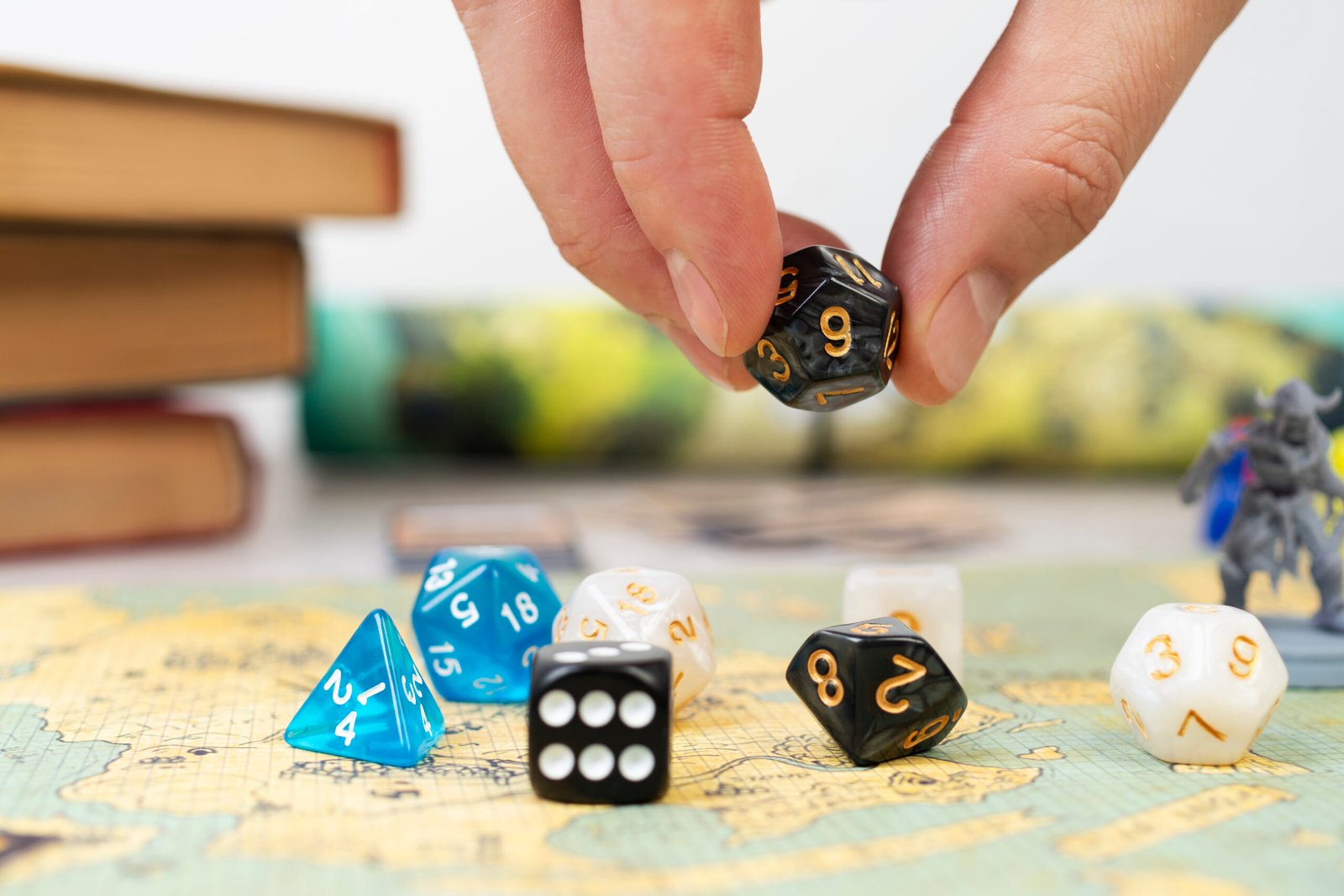
Table of Contents
ToggleFor decades, the clatter of dice and the thrill of a perfect roll have made Yahtzee one of the most beloved games in history. When this classic dice game found its way to Pogo.com, it evolved into something even more engaging—a vibrant online community where players could compete, earn badges, and climb ranks. While the digital landscape of Pogo has seen changes, including the recent retirement of some versions, the legacy and joy of playing “Pogo games Yahtzee” remain a hot topic for fans old and new. This comprehensive guide explores every facet of the game, from basic strategies and scoring mechanics to ranking systems and the future of the title on the platform. Whether you are a seasoned pro looking to master the “Super Yahtzee Meter” or a newcomer trying to understand the difference between “Classic Yahtzee” and “Yahtzee Party,” this article is your ultimate resource for everything related to this iconic game on Pogo.
Section 1: Understanding the Appeal of Pogo Games Yahtzee
The transition of Yahtzee from a physical scorecard and dice cup to a digital format on Pogo was a masterstroke in preserving a classic while enhancing its accessibility. The game’s fundamental premise remains unchanged: players roll five dice up to three times per turn, aiming to score combinations like “Three of a Kind,” “Full House,” and the elusive five-of-a-kind “Yahtzee” . However, Pogo supercharges this experience with social interaction, progression systems, and visual flair. The platform offers various versions, including the single-player “Yahtzee” (which features 20 ranks) and the multiplayer “Yahtzee Party,” which boasted up to 70 ranks before its recent retirement . This variety ensures that players can either hone their skills in a solo environment or compete against friends and strangers for tokens and bragging rights. The online format removes the need for physical dice and paper, allowing for instant play and a global community that keeps the spirit of the game alive and thriving.
Section 2: How to Play Yahtzee on Pogo: Rules and Mechanics
Whether you are playing the classic version or the party variant, the core mechanics remain deeply rooted in the official Hasbro rules. A game consists of 13 rounds, and in each round, a player rolls the dice. The strategy lies in deciding which dice to hold and which to re-roll to maximize the score for a chosen category . The scorecard is divided into two main sections: the Upper Section and the Lower Section. In the Upper Section, you score the sum of specific numbers (Ones, Twos, Threes, etc.). Achieving a subtotal of 63 points in this section earns a coveted 35-point bonus . The Lower Section is where the exciting combinations reside, such as “Full House” for 25 points, “Small Straight” for 30, “Large Straight” for 40, and “Chance” as a catch-all category for the total sum of the dice . The digital adaptation on Pogo streamlines this process, automatically calculating scores and highlighting available categories, which makes the game accessible to new players while remaining deep enough for strategic veterans.
Section 3: Scoring and Bonuses: Maximizing Your Points
To truly excel at Pogo games Yahtzee, one must master the scoring nuances and bonus mechanics. The standard scoring rules apply, but understanding when to push for a “Yahtzee” versus settling for a high “Chance” score is crucial for high-level play. The first Yahtzee (five-of-a-kind) in a game scores 50 points, but the rewards escalate rapidly . If a player rolls a second Yahtzee in the same game, it is treated as a “Joker” in some versions, allowing it to be scored in a different category—often yielding a massive 100-point bonus plus the value of the dice roll . This scoring depth creates a strategic layer where risk management and probability calculation are key. Additionally, versions like “Yahtzee Party” introduced a “Super Yahtzee Meter,” which filled up as players achieved Yahtzees, potentially unlocking bonuses or spins at the end of the game . The “Dancing Dice” and “Chilling Dice” badges were also popular incentives, requiring players to accumulate specific rank points rather than just focusing on high scores .
Section 4: Ranking Up and Earning Rewards
One of the major draws of playing Yahtzee on Pogo is the ranking and rewards system, which adds a layer of gamification beyond the standard dice game. Unlike simply playing for a high score, players are motivated to earn “Rank Points” to progress through levels and unlock exclusive badges. However, the criteria for earning these points have been a subject of much discussion within the community . For the single-player “Yahtzee” game, it was widely observed that players needed to achieve a score of at least 225 to earn a rank point, meaning that higher scores could even yield multiple points in a single game . Other modes introduced “Challenge” and “Tournament” levels where players faced AI opponents of varying difficulty, from “Novice” to “Genius.” Winning these matches required not only a high score but also efficient play, especially in timed challenge modes. These rank challenges offered unlockable rewards like different dice cups, dice skins, and boards, providing a tangible sense of progression that kept players engaged .
Section 5: Technical Aspects and Compatibility
For those interested in the tech behind the game, Pogo’s Yahtzee has seen various iterations over the years, including a “Pocket Pogo” handheld device that allowed players to carry the game on the go and connect to the Pogo website to earn badges . This physical-digital hybrid demonstrated Electronic Arts’ (EA) commitment to integrating the brand into multiple aspects of daily life. On the technical support side, players occasionally encountered issues, such as the game failing to count rank progress or glitches with the “Super Yahtzee” meter . The community often provided workarounds, such as resetting the game by going back to the main menu or ensuring they waited for the game to fully end before closing the window . For the modern player, ensuring your browser is updated and your internet connection is stable is generally sufficient to enjoy the game, although the platform has announced the retirement of some older versions as of January 2026 .
Section 6: The Future of Yahtzee on Pogo
As of early 2026, the landscape of Pogo games has shifted. Electronic Arts announced the retirement of specific titles, including “Yahtzee! Wild,” to focus on new adventures and games for the platform . This news was met with mixed reactions from the loyal community, with many expressing sadness over the loss of a daily ritual . However, the announcement also suggests that Pogo is not slowing down; they are merely pivoting to new content. While “Yahtzee! Wild” and potentially other versions have been sunset, the classic “Yahtzee” experience may still be available or evolve into a new format. For fans of the dice game, this is a pivotal moment. It suggests that while the specific iteration may change, the demand for classic games like Yahtzee on Pogo is still recognized. Players are encouraged to keep an eye on the official Pogo blog for announcements about new game releases and potential re-releases of popular classics.
Conclusion
Pogo Games Yahtzee has cemented its place as a cornerstone of online casual gaming. By taking a simple yet deep dice game and layering it with social features, ranking systems, and competitive modes, Pogo created an experience that kept players rolling the dice for years. From mastering the 50-point Yahtzee to navigating the 70 ranks of Yahtzee Party, the game offered a unique blend of luck, strategy, and community. Even with the recent retirements on the platform, the legacy of Pogo Yahtzee lives on in the memories of players who collected badges and competed against AI “Geniuses.” The game’s enduring appeal lies in its accessibility: anyone can pick it up, but only the strategists truly master it. As Pogo continues to evolve, the lessons learned from Yahtzee’s success will undoubtedly shape the future of games on the platform. Whether you are playing a classic version or waiting for a new iteration, the challenge of rolling a perfect game remains as exciting as ever.
Frequently Asked Questions (FAQ)
Q: What are the differences between “Yahtzee” and “Yahtzee Party” on Pogo?
The single-player “Yahtzee” focuses on a standard game with 20 ranks and is generally faster to play, while “Yahtzee Party” was designed for multiplayer interaction and featured a “Super Yahtzee Meter” along with 70 ranks . “Yahtzee Party” also had a unique bonus system where a second Yahtzee allowed for an additional 100-point bonus, requiring players to select an open category to secure the points .
Q: How do I earn rank points in Pogo Yahtzee?
In many versions, rank points are earned by achieving a minimum score of 225 points in a single game. Some players report that scoring higher than 225 can yield multiple rank points (e.g., a score between 225-249 gives one point, while over 250 gives two) . Other versions require winning matches against AI opponents in “Challenge” or “Tournament” modes.
Q: What is the “Yahtzee Bonus” and “Joker” rule?
The “Yahtzee Bonus” is awarded when you roll a second or third Yahtzee in the same game. It is typically worth 100 points. The “Joker” rule applies when you roll a Yahtzee but the corresponding number category (e.g., Sixes) is already filled. You must then score it in another available category like “Chance,” “Three of a Kind,” or a “Straight” .
Q: Why was Yahtzee removed from Pogo?
Electronic Arts announced the retirement of certain games, including “Yahtzee! Wild,” as part of a strategic shift to introduce new games and adventures for the Pogo platform. The retirement took effect in January 2026 .
Q: Can I still play Yahtzee on Pogo?
While “Yahtzee! Wild” was retired, other classic versions of Yahtzee may still be available on Pogo, depending on your region and the current status of the game library . It is best to check the official Pogo website for the most up-to-date game list.
Q: How do you get the 35-point bonus in Yahtzee?
The 35-point bonus is awarded automatically if the subtotal of your scores in the Upper Section (Ones through Sixes) reaches 63 or more by the end of the game .
Gaming
Cheat Card Game: Master the Art of Bluffing with These Expert Tips
Published
3 months agoon
July 30, 2026
Table of Contents
ToggleThe Cheat card game, known by its more colorful aliases “Bullshit” in the United States or “I Doubt It” in other circles, stands as one of the most thrilling and psychologically engaging party games ever devised with a standard deck of cards. It is a shedding-type game where the primary objective is deceptively simple: be the first player to discard every single card in your hand. However, the path to victory is paved with lies, calculated risks, and the sharp observation of your opponents’ tells. What makes Cheat so universally appealing is that it requires no special equipment, can accommodate a large group of players, and distills the high-stakes psychological warfare of poker into a fast-paced, raucous experience perfect for game nights .
The core mechanic of the game—playing cards face-down and declaring their rank—creates a perfect environment for deception . You are not just playing your hand; you are playing the players around the table. The tension builds with every turn: will you play truthfully and risk being falsely accused, or will you bluff and risk being caught? The decision to call “Cheat!” on a fellow player is a moment of high drama that can instantly change the fortunes of everyone involved, dumping a massive pile of penalty cards into an unlucky player’s hand . This guide will provide a comprehensive breakdown of the official rules, delve into advanced strategies for reading your opponents, and explain how to use psychological tactics to dominate the game and ensure you are the last one laughing with an empty hand. If you are looking for the ultimate authority on how to play Cheat, you have found your definitive resource.
Setting Up the Game: What You Need to Know
Before the bluffing and accusations can begin, it is essential to prepare the game correctly. One of the beauties of the Cheat card game is its minimal setup requirements, making it an ideal choice for spontaneous gatherings. The game is designed to be scalable, working just as well for a small group as it does for a large party .
The standard equipment for Cheat is a classic 52-card deck. However, the number of players dictates whether you need to incorporate additional decks. For a group of up to six players, a single deck is perfectly sufficient. As the player count increases, the number of cards per hand shrinks, reducing strategic options; therefore, for games with more than six players, it is highly recommended to shuffle in a second deck to ensure everyone has enough cards to maintain the strategic depth of the game . The cards are dealt evenly among all players, with the entire deck being distributed face down. It is entirely normal and acceptable if the deal does not come out perfectly even, as some players may end up with one or two more cards than others; this slight imbalance does not significantly affect the fairness of the game . Once the cards are dealt, players pick up their hands and arrange them secretly, preparing their strategy for the rounds ahead.
Determining the First Player
Establishing who goes first is a minor but important step. The most common method is to simply have the player to the left of the dealer start, or to randomly select a player to begin . Some variant rules suggest that the player holding the Ace of Spades should make the opening play, adding a specific starting point to the game’s sequence . Regardless of how you choose, the key is to establish a clear starting point so the turn order is understood by all. Once the first player is determined, the game proceeds in a clockwise direction, creating a predictable flow that is vital for following the sequence of ranks .
Understanding the Rank Sequence
The rules of Cheat dictate a rigid rank order that players must ostensibly follow. The sequence begins with Aces and moves upward: Twos, Threes, Fours, and so on up through the face cards, culminating in Kings. After a King is declared, the sequence loops back around to Aces again for the next turn . This cyclical nature ensures the game continues indefinitely until a player successfully sheds all their cards. It is crucial for every player to understand this order, as the “correct” play is always to play the next rank in the sequence, even though the reality of the cards laid down is often a complete fabrication.
How to Play Cheat: A Step-by-Step Breakdown
The gameplay of Cheat is where the magic happens, a perfect storm of strategic lying and calculated accusations. Each turn involves a ritual of placing cards and making a verbal claim, which is then subject to the scrutiny—or lack thereof—of the other players .
On a player’s turn, they must play one or more cards face-down into the central discard pile. Simultaneously, they must announce a rank and a quantity. For instance, a player might place two cards down and declare “Two Queens.” According to the rules of the game, the rank they announce must be the next in the sequence from the previous turn . The fundamental twist is that the actual cards placed face-down do not have to match the declared rank at all. Players are not just permitted to lie; they are expected to do so to progress the game, creating the game’s central tension . You can place down cards of any value—or even multiple cards that are all different—as long as you declare them to be the specific rank required by the turn order.
The Art of the Bluff and the Challenge
Once a player makes their declaration and places their cards down, the rest of the players have a brief window to decide if they believe the claim. If no one calls out the player, the turn simply passes to the next player, who must now declare the next rank in the sequence . However, if any player suspects foul play, they can challenge the declaration by shouting “Cheat!” (or “Bullshit!” or “I Doubt It!”) . This challenge stops the action and forces the cards just played to be revealed.
The resolution of a Cheat call is decisive. If the accused player is found to have been lying—for example, they declared “Two Queens” but revealed a Five and a Nine—then they are penalized and must pick up the entire central pile of cards, adding it to their hand . Conversely, if the accused player was telling the truth, the penalty falls on the challenger, who must pick up the entire pile as punishment for making a false accusation . This risk-reward dynamic is what makes the game so compelling; a successful call on a large pile can decimate an opponent’s progress, while a false accusation can be equally devastating to the challenger.
Advanced Strategies: How to Win at Cheat
Winning at Cheat consistently requires more than just a willingness to lie; it demands psychological acuity, impeccable timing, and a good memory for the cards that have been played. The best players treat the game as a battle of wits, using strategy to manipulate their opponents’ perceptions and decisions .
A fundamental error many players make is bluffing too frequently. If you are caught lying repeatedly, opponents will become conditioned to challenge you, making it nearly impossible to sneak a lie past them. The most effective strategy is to mix truth with lies, building a reputation for honesty by playing truthfully in the early rounds when the stakes are low . Once you have established yourself as a trustworthy player, you can cash in on this reputation by executing a critical bluff later in the game when the discard pile is massive and a successful play could win you the round. This “long con” approach is far more effective than chaotic, aggressive lying.
Reading Your Opponents and Card Counting
A crucial aspect of advanced play is the observation of your opponents’ behavior. In a game as psychologically charged as Cheat, players often exhibit “tells”—unconscious physical cues that betray their true intentions . A player who hesitates just a fraction of a second longer than usual, glances nervously at their cards after placing them, or adopts an overly casual tone when making a declaration is likely bluffing. Seasoned players develop a consistent, unreadable routine for every turn—placing cards with the same motion and announcing with the same tone—to avoid giving away any tells themselves .
Beyond psychological observation, there is a mathematical component to the game. By tracking which cards have been played and which are in your own hand, you can spot impossible claims. For example, if you are holding all four Fives in your hand, and another player announces they are playing three Fives, you know with absolute certainty that they are lying and can call “Cheat” without any fear of penalty . This type of logical deduction elevates the game from pure luck and bluffing to a strategic contest where memory and probability play a significant role. The decision of when to call Cheat is also a strategic one; it is often wiser to let a suspicious play slide when the pile is small, saving your challenge for a moment when the pile is large and the penalty for the loser will be catastrophic .
Common Variations of the Cheat Card Game
Like many classic card games, Cheat has spawned numerous variations that alter the rules to add complexity or change the pace of play. Understanding these variants can keep the game fresh for experienced players.
One of the most common variations changes the order in which cards must be played. Instead of moving up in rank (Aces to Kings), some groups play in a descending order, or even allow players to play the same rank or either higher or lower than the previous play . Another popular variation involves the announcement of the final card. In some rulesets, when a player is down to their last card, they must announce it to the table. If they fail to do so and are caught, they are penalized and must pick up the entire pile . Additionally, the game’s name often changes with the region—most commonly called “Bullshit” in the US—and the challenge phrase changes accordingly . These variations ensure that the core concept of the game can be adapted to suit different group preferences and skill levels.
Frequently Asked Questions (FAQ)
1. How many players do you need to play the Cheat card game?
The Cheat card game is best played with 3 to 10 players. It works with as few as two players, though the dynamics shift significantly, and is most enjoyable and strategic with a group of 4 to 6 participants . For larger groups, adding a second deck is essential to maintain a sufficient hand size for each player.
2. What happens when someone calls “Cheat”?
When a player calls “Cheat,” the last player’s played cards are revealed and counted. If the accused player lied about the rank or number of cards, they must pick up the entire discard pile. If they were telling the truth, the challenger who made the false accusation must pick up the pile . Play then continues from the next player.
3. Can you play Cheat with two decks?
Yes, it is highly recommended to use two decks of cards if you are playing with more than six players. Using a second deck ensures that there are enough cards to deal out so that each player has a strategic number of cards in their hand, rather than just a handful .
4. What are some good strategies for winning Cheat?
Key strategies include mixing truth with lies to remain unpredictable, developing a consistent “poker face” to avoid giving away tells, and tracking which cards have been played to spot impossible claims. The most effective strategy is often to build a reputation for honesty early on so you can successfully bluff when the stakes are high .
5. What is the objective of the Cheat card game?
The primary objective is to be the first player to discard all of the cards from your hand. You achieve this by playing cards face-down, declaring their rank, and successfully bluffing your way past other players without being challenged and proven wrong .
6. How do you start the game?
To start, the entire deck is dealt evenly among all players. Players then pick up their hands. The player to the left of the dealer typically begins by placing any cards face-down and declaring a rank, such as “Two Aces,” to start the sequence .
Conclusion
The Cheat card game remains one of the most enduring and enjoyable games you can play with a standard deck of cards, precisely because it leverages the most human of instincts: deception and detection. It is a game that is easy to learn, making it accessible to new players, yet strategically deep enough to provide endless entertainment for experienced gamers . The simple rules of playing cards face-down and declaring their value are a perfect vehicle for the game’s central drama, where a single suspicion can flip the game on its head and turn a winning hand into a losing one.
Mastering Cheat is about more than just luck; it is a discipline in psychology, timing, and observation. As this guide has outlined, the best players are those who can maintain an unreadable demeanor while carefully tracking their opponents’ habits and the cards that have been played. Whether you are looking for a fun icebreaker for a party, a high-stakes psychological challenge for game night, or just a way to pass the time with friends and family, Cheat offers a uniquely thrilling experience. So gather your friends, shuffle up a deck, and remember: trust no one, but always be ready to call their bluff.

People Crossword: A Complete Guide to Solving People-Themed Crossword Clues

Michigan Man $1M Lottery Win: What Happened and How the Million-Dollar Prize Was Won

Michelle Randolph Biography: Career, Movies, TV Shows and Rise to Fame

The Ultimate Guide to Watching “Трон Смотреть”: Exploring the Digital Frontier

The Ultimate Guide to IRB SDSU: Navigating Human Subjects ResearchThe Ultimate Guide to IRB SDSU: Navigating Human Subjects Research at San Diego State Universityat San Diego State University

Renee Andrietti: The Woman Behind Rock Legend Bob Seger’s First Marriage
Trending
 Entertainment4 months ago
The Ultimate Guide to Watching “Трон Смотреть”: Exploring the Digital Frontier
- Tech3 months ago
The Ultimate Guide to IRB SDSU: Navigating Human Subjects ResearchThe Ultimate Guide to IRB SDSU: Navigating Human Subjects Research at San Diego State Universityat San Diego State University
- Entertainment4 months ago
Renee Andrietti: The Woman Behind Rock Legend Bob Seger’s First Marriage
- art4 months ago
Gravity Points: The Complete Guide to Understanding and Calculating Wort Strength in Homebrewing
- Fashion4 months ago
Michelle Smallmon’s Marital Status: A Deep Dive into the Private Life of ESPN’s Rising Star
- Fashion4 months ago
Constantine Yankoglu: The Private Life Behind a Name People Keep Searching
- Business4 months ago
Voozon.com: The All-in-One Digital Growth Platform for Modern Businesses
- Gaming4 months ago
The Ultimate Guide to Kaddun Drag Blocks: Mastering the Art of Strategic Puzzle Gaming