Connect with us

Animal

The Weirdest Sharks in the Ocean: Exploring Nature’s Strangest Predators

Published

on

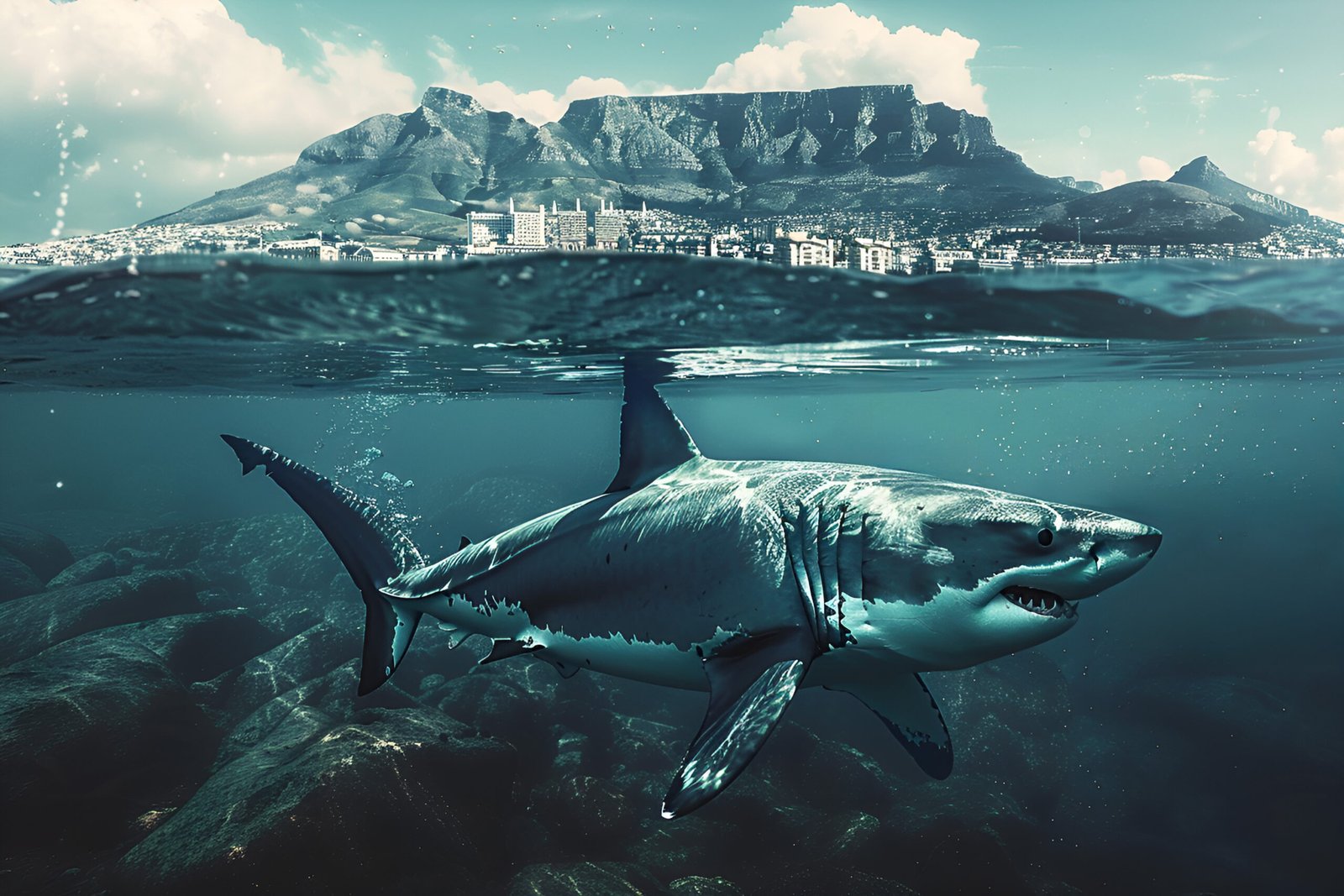
odd shark

Introduction

When we think of sharks, images of sleek, torpedo-shaped predators like the Great White often come to mind. However, the deep ocean harbors creatures that defy our conventional understanding of these ancient fish. From eel-like bodies with frilly gills to sharks with chainsaw-like snouts and others with jaws that shoot forward to capture prey, the weirdest sharks in the ocean represent some of nature’s most extraordinary evolutionary experiments. Many of these bizarre species are considered “living fossils,” having remained largely unchanged for tens of millions of years. This article explores the most unusual shark species in the world, revealing the fascinating adaptations that allow them to thrive in the ocean’s most extreme environments and why understanding these rare creatures is critical for marine conservation efforts .

The Frilled Shark: A Serpent from the Deep

Among the weirdest sharks, the Frilled Shark (Chlamydoselachus anguineus) stands out as perhaps the most bizarre. This deep-sea predator, whose lineage dates back approximately 80 million years, possesses an eel-like body that sets it apart from all other shark species . Its long, snake-like form gives it an appearance that seems more fitting for a mythical sea serpent than a modern fish. The creature earned its common name from the distinctive frilly edges of its gill slits, where the extended tips of its gill filaments project outward. Unlike most sharks that have five gill openings, the frilled shark possesses six, and the first pair of gill slits connect together under their throats, creating the appearance of a lacy collar. The species grows to around 2 meters in length, with females larger than males .

What truly distinguishes this species is its extraordinary dentition. The frilled shark’s mouth is filled with rows of three-pointed teeth, resembling miniature tridents or a Venus flytrap designed to ensnare prey . This unique tooth structure is essential for its hunting strategy, as the frilled shark feeds primarily on soft-bodied squid, fish, and other sharks. The combination of its large, terminally positioned jaws and hook-like dentition ensures that once prey enters its mouth, escape becomes nearly impossible. The frilled shark’s slow, languid swimming style and arched body shape have led to its frequent description as an alien-like creature, particularly in the famous 2007 footage captured off the coast of Japan . This video, which showed a sick specimen near the surface, sparked global fascination with the species and its “living fossil” status remains a topic of ongoing scientific discussion .

The Goblin Shark: A Prehistoric Horror

If any shark could be described as truly nightmarish, it would be the Goblin Shark (Mitsukurina owstoni). The sole surviving member of the Mitsukurinidae family, a lineage dating back approximately 125 million years, this creature is often considered the weirdest shark in existence . Its appearance is unsettling, featuring an elongated, paddle-like snout loaded with electroreceptors that detect the faint electrical fields of prey in the pitch-black deep ocean. The goblin shark’s pinkish-white coloration, resulting from blood vessels visible through its translucent skin, gives it a ghostly, ethereal appearance that makes it look like a creature from another world . Found at depths of up to 2 kilometers, the goblin shark was not filmed in its natural habitat until 2019, when a remotely operated vehicle captured footage near Jarvis Island in the Pacific Ocean .

The goblin shark’s most extraordinary feature is its protrusible jaw mechanism. Unlike most sharks, whose jaws are fixed, the goblin shark can shoot its jaws forward at speeds exceeding 3 meters per second, faster than any other shark’s bite . This lightning-fast extension allows the predator to snatch prey from a distance, compensating for its relatively slow swimming speed. The jaws contain nail-like teeth perfectly adapted for grasping and holding onto slippery deep-sea fish. The recent footage of goblin sharks in their natural environment provided crucial insights into their behavior and range, revealing that the species inhabits underwater mountain peaks thousands of kilometers from previously known locations . These discoveries underscore how little we still understand about these deep-sea wonders and highlight the importance of protecting their habitats from threats such as deep-sea mining and destructive fishing practices .

The Angular Roughshark: A Grunting Anomaly

The Angular Roughshark (Oxynotus centrina) represents a different kind of oddity in the shark world. Found in the deep waters of the eastern Atlantic and Mediterranean Sea, this species is distinguished by its unique, angular body shape that is unlike any other shark . Its body has a distinctive humped, almost pyramid-like appearance with high, triangular dorsal fins that give it a sharp-edged, boxy profile. The first dorsal fin, located just behind the head, is particularly tall and prominent, creating a silhouette that looks more like a strange deep-sea artifact than a shark. Growing to approximately 1.5 meters in length, the angular roughshark has rough, spiky skin covered in thorn-like dermal denticles that serve as protection against predators .

Perhaps the most fascinating behavior of the Angular Roughshark is its ability to produce noise when brought to the surface by fishers. This species makes a low grunting sound, possibly due to the release of air or water from its body, though the exact mechanism remains poorly understood . This auditory oddity, combined with its sluggish movements and preference for soft, muddy ocean floors at depths between 60 and 660 meters, makes the species a truly unique predator. The angular roughshark hunts by ambushing rather than chasing prey, feeding on bottom-dwelling creatures such as small fish, squid, and crustaceans. Its sharp, narrow teeth are specialized for grasping and crushing its prey . Unfortunately, this bizarre shark is classified as “Vulnerable” on the IUCN Red List, facing significant threats from deep-sea trawling and habitat destruction. Its slow reproductive rate makes it particularly vulnerable to overfishing, and conservation efforts are urgently needed to protect this unusual species .

More Deep-Sea Weirdness: Megamouth and Sawsharks

The ocean’s weirdness extends to species that have only recently been discovered, such as the Megamouth Shark (Megachasma pelagios). This rarely seen deep-sea filter-feeder has a massive, gaping mouth that can reach impressive sizes, lined with light-emitting photophores that attract plankton and jellyfish in the dark depths . The megamouth shark’s rubbery lips and glowing mouth lining represent an extraordinary evolutionary adaptation for deep-sea feeding. Since its discovery relatively recently, only around 100 sightings have ever been recorded, making it one of the most elusive sharks in existence .

Another contender for the title of weirdest shark is the Sawshark, which possesses a long, saw-like snout lined with teeth that it uses to slash through schools of fish . This rostrum, resembling a chainsaw, also features sensory barbels that detect movement in murky water, allowing the sawshark to hunt effectively in low-visibility environments. The wobbegong, or “carpet shark,” represents yet another approach to oddity, with its flat body, wild patterns, and fleshy whisker-like lobes that help it blend perfectly into the sea floor for ambush hunting . These species, along with the hammerhead sharks with their extraordinary T-shaped heads providing enhanced electroreception and 360-degree vision, demonstrate the remarkable diversity of evolutionary solutions that have emerged in the shark lineage . Each represents a unique adaptation to specific environmental niches, making them invaluable components of marine biodiversity.

The Evolutionary Journey of Unusual Sharks

Understanding these odd sharks requires looking back at their evolutionary history, which spans hundreds of millions of years. The oldest shark teeth date back to approximately 418 million years ago, belonging to Leonodus carlsi, found in what is today southwestern Europe . However, the evolutionary origins of sharks extend even deeper into the fossil record, with microfossils attributed to sharks from the Silurian period, around 419 million years ago . The frilled shark’s lineage, for instance, can be traced back to the Late Cretaceous period, about 80 million years ago, making these creatures some of the most ancient surviving shark lineages . Despite their ancient origins and primitive features, these sharks are not literal “living fossils” that have remained completely unchanged. Rather, they represent a body plan that has proven remarkably successful in the stable deep-sea environment, where selection pressures have been less intense than in shallower, more dynamic habitats.

The evolutionary success of these odd sharks is evident in their specialized adaptations. The goblin shark’s protrusible jaw, the frilled shark’s trident-like teeth, and the angular roughshark’s compressed, humped body are all solutions to the challenges of deep-sea predation. Deep-sea environments, characterized by darkness, extreme pressure, and limited food resources, have driven the evolution of these unusual features. The sensory adaptations, such as the electroreceptors on the goblin shark’s snout, and the energy-efficient hunting strategies employed by these slow-moving predators, demonstrate the intricate relationship between form and function in the natural world . As we continue to explore the deep ocean, it is likely that even more bizarre species will be discovered, further expanding our understanding of shark evolution and the incredible diversity of life on Earth.

Conservation Concerns

Despite their fascinating nature and ancient lineages, many of the weirdest sharks face significant conservation threats. The Frilled Shark is listed as “Near Threatened” on the IUCN Red List due to its slow reproduction and the increase in deep-water fishing activities . It has been speculated that the frilled shark’s gestation period may last as long as three and a half years, making it the longest of any vertebrate. Such slow reproductive rates make these sharks exceptionally vulnerable to population declines, as they cannot quickly recover from the impacts of fishing pressure. The Angular Roughshark, classified as “Vulnerable,” faces similar threats from deep-sea trawling and habitat destruction . Bycatch, where sharks are accidentally caught in nets and lines targeting other species, has become the most significant threat to many shark populations .

The conservation status of various shark species across Atlantic Canada illustrates the broader challenges facing these predators. Species such as the White Shark and Shortfin Mako Shark are classified as “Endangered,” while others like the Smooth Skate and Spiny Dogfish are listed as “Special Concern” . In regions such as Mukomuko District in Bengkulu, Indonesia, juvenile sharks including the Hammerhead Shark (Sphyrna lewini), classified as “Critically Endangered” on the IUCN Red List, continue to be caught in fisheries . These findings highlight the need for more sustainable fishing practices and improved management measures to protect these often misunderstood predators. Shark Awareness Day, celebrated annually, sheds light on the ocean’s most misunderstood predators and the vital importance of shark conservation . By raising awareness of the weirdest shark species, we can foster greater appreciation for their ecological roles and advocate for stronger protections.

Conclusion

The weirdest sharks in the ocean are living evidence of nature’s remarkable creativity, representing millions of years of evolutionary refinement in some of the planet’s most extreme environments. From the serpent-like Frilled Shark with its three-pointed teeth to the Goblin Shark with its lightning-fast protrusible jaws, and the Angular Roughshark that grunts when caught, these creatures challenge our perceptions of what sharks can be. They serve as powerful reminders that the ocean still holds countless mysteries and that our understanding of marine biodiversity remains incomplete. As we continue to explore the deep sea, the discovery of additional unusual species seems inevitable, each revealing new insights into the adaptations that allow life to flourish in the abyss.

The survival of these ancient and bizarre sharks depends on our commitment to marine conservation and sustainable fishing practices. By protecting their deep-sea habitats and reducing bycatch, we can ensure that future generations will have the opportunity to marvel at these extraordinary creatures. The weirdest sharks are not just curiosities to be admired from afar; they are integral components of marine ecosystems, playing crucial roles in maintaining the balance of ocean life. Their preservation represents our broader responsibility to protect the biodiversity that sustains our planet. Whether they are viewed as alien invaders from the deep or ancient relics of a prehistoric world, one thing is certain: the weirdest sharks deserve our admiration, respect, and protection.

Frequently Asked Questions (FAQ)

Q1: What is the weirdest shark in the world?

The Goblin Shark (Mitsukurina owstoni) is widely considered the weirdest shark due to its combination of unusual features: a pinkish-white ghost-like appearance, an elongated paddle-like snout, and protrusible jaws that can shoot forward faster than any other shark’s bite. It is the sole surviving member of an ancient lineage dating back approximately 125 million years and was not filmed in its natural habitat until 2019 .

Q2: Is the Frilled Shark a living fossil?

While Frilled Sharks have existed for approximately 80 million years and their body plan has remained largely unchanged, scientists caution against calling them literal “living fossils.” They represent an ancient lineage that has been remarkably successful in the deep-sea environment, but they are not the same individuals that existed millions of years ago. The species has evolved and adapted to its environment, even though its basic morphology has remained consistent over geological time scales .

Q3: Why do these sharks look so strange?

These sharks evolved their unusual features to adapt to the extreme conditions of the deep ocean, including darkness, high pressure, and limited food resources. The Goblin Shark’s snout houses electroreceptors to detect prey in darkness, its protrusible jaws allow it to catch prey from a distance, and its pale coloration is due to blood vessels visible through translucent skin. The Frilled Shark’s eel-like body and trident-shaped teeth are adaptations for catching and holding onto soft-bodied prey like squid in the deep sea. Each strange feature represents a solution to the challenges of deep-sea predation .

Q4: Are these weird sharks dangerous to humans?

None of the sharks discussed in this article pose a threat to humans. They are deep-sea species that rarely encounter people and have not evolved to prey on large terrestrial animals. The Goblin Shark, Frilled Shark, and Angular Roughshark are all deep-sea predators that feed on squid, small fish, and other marine creatures. They are generally harmless to humans and are more at risk from human activities than we are from them .

Q5: What conservation measures protect these unusual sharks?

Many of these species are listed on the IUCN Red List with statuses ranging from “Near Threatened” to “Vulnerable.” Conservation measures include reducing deep-sea trawling and bycatch, protecting critical habitats such as underwater mountain peaks, and implementing sustainable fishing practices. In some regions, certain shark species are protected from fishing, and international agreements aim to regulate the trade in shark products. However, much more work is needed to ensure the survival of these rare and ancient species .

Continue Reading

Animal

Zombie Crabs: The Body-Snatching Parasite That Turns Crustaceans into Unwitting Zombie Slaves

Published

on

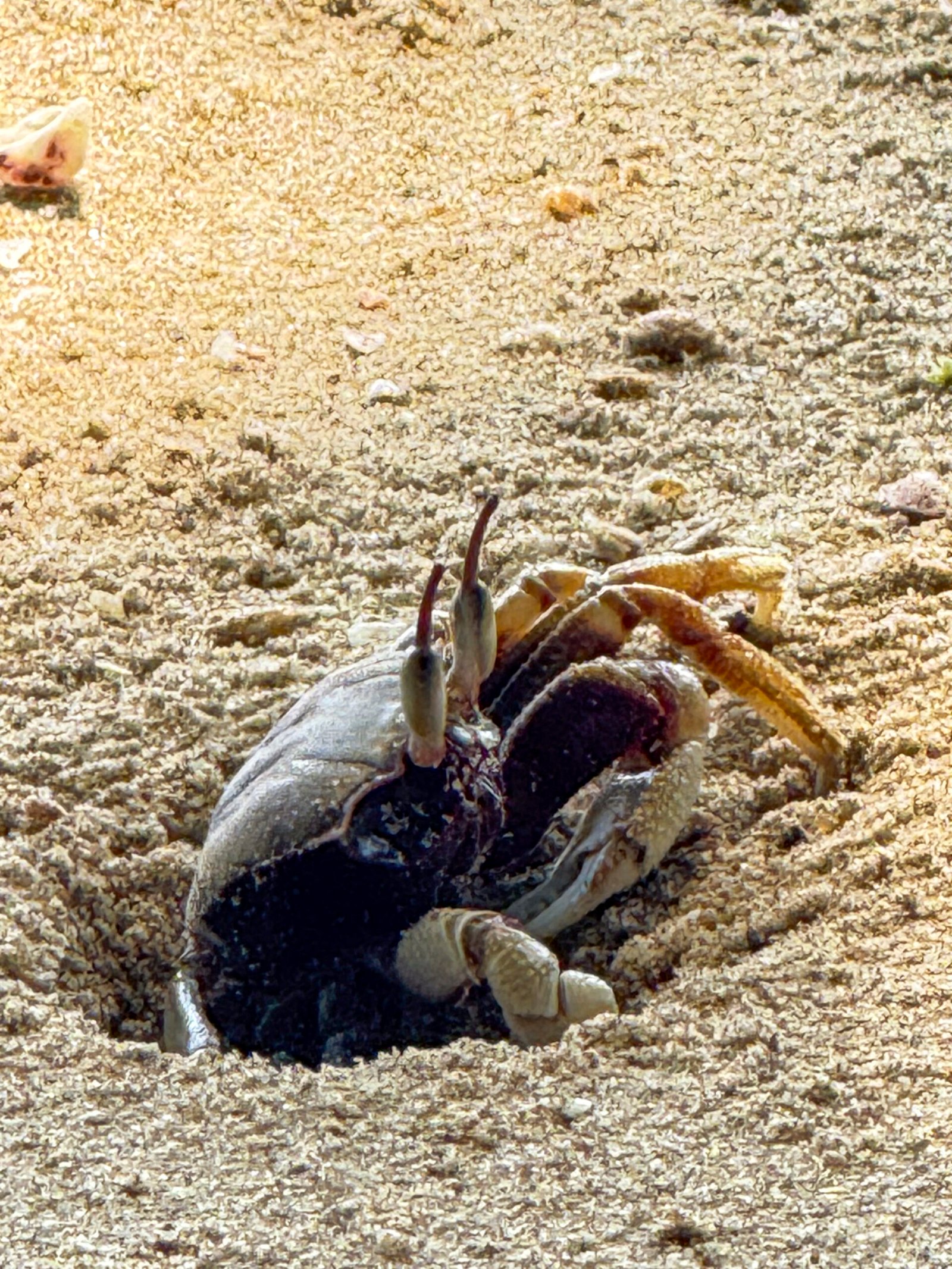
zombie crabs

The Body-Snatching Parasite That Turns Crustaceans into Unwitting Zombie Slaves

The natural world is filled with wonders that often blur the line between science fiction and reality, yet few phenomena are as unsettling and fascinating as the existence of zombie crabs. In the dark, murky waters of estuaries and oceans, a silent invasion takes place where a tiny parasitic barnacle infiltrates the body of a mud crab or king crab, fundamentally altering its biology, behavior, and reproductive functions to serve its own sinister purpose. This is not the plot of a B-grade horror movie but a genuine biological reality known as parasitic castration, where the infected crab is stripped of its ability to reproduce and instead becomes an unwitting nanny for the parasite’s offspring. The phenomenon of zombie crabs represents a masterclass in evolutionary manipulation, showcasing how a seemingly simple organism can hijack the complex nervous system of a crab, turning it into a mindless vehicle dedicated solely to the propagation of its invader. As we delve into this subject, we will uncover the intricate lifecycle of the Sacculina and Loxothylacus panopaei barnacles, explore the ecological implications of their invasive spread, and understand why these infected crabs, often referred to as zombie crabs, are a critical subject of study for marine biologists concerned with the health of our oceans.

Key Facts About Zombie Crabs

FeatureDescription
ParasiteSacculina or Loxothylacus panopaei (Loxo)
HostPrimarily mud crabs and king crabs
Infection MechanismInjects cells that grow into root-like tendrils throughout the crab’s body
Key EffectParasitic castration; the crab loses reproductive ability
Behavior ChangeCares for parasite’s egg sac as if it were its own young
Scientific TermParasitic castration, host manipulation

The Unsettling Science Behind Zombie Crabs and Their Parasitic Controllers

The transformation of a crab into a zombie crab is perhaps one of the most gruesome and awe-inspiring processes in the animal kingdom, a true testament to the power of parasitism. This process is primarily orchestrated by a species of parasitic barnacle belonging to the genus Sacculina or the specific species Loxothylacus panopaei, often referred to simply as Loxo. The journey begins at a vulnerable stage for the crab, usually when it has just molted and its new exoskeleton is still soft. A female parasite larva, floating in the water column, locates its host and crawls across the crab’s shell until it discovers a chink in the armor—often a joint or a hair follicle . At this point, the larva undergoes a radical transformation, ejecting its protective shell and reducing itself to a mere gelatinous blob that is injected directly into the crab’s bloodstream . This is where the true horror begins, as the parasite is no longer a distinct creature but a spreading infection that takes root from the inside out. The slug-like female parasite begins to grow long, branching tendrils or roots that spread throughout the crab’s entire body cavity, extending even to the base of the crab’s eyestalks . This intricate network of tendrils acts as a feeding system, absorbing nutrients directly from the host’s body, effectively turning the crab into a living food source for its invisible master. The parasite’s roots wrap around the crab’s internal organs, completely integrating with its host. During this process, the parasite renders the crab infertile, castrating it to ensure that the crab’s energy is not wasted on its own reproductive functions but is entirely devoted to the parasite’s needs . The crab stops molting and growing, activities that would otherwise use up energy, instead becoming a mere vessel for its parasitic rider . This complete takeover of the crab’s body and its metabolic processes is what fundamentally establishes the crab as a “zombie.”

As the parasite reaches maturity, it pushes outwards, creating a sac-like growth known as an externa on the underside of the crab’s abdomen . This sac is the reproductive body of the parasite, and it is into this that a male parasite, essentially a free-floating sperm factory, will later inject its own cells to fertilize the eggs within the sac . The parasitized crab is now fully “zombified,” and it is in its behavior that the parasite’s manipulative power is most visible. Regardless of whether the original crab was male or female, the infected crab will now treat this foreign egg sac as if it were its own clutch of eggs . The crab will tirelessly care for the parasite’s brood, cleaning the sac to prevent fungal growth and aerating it by flapping its abdomen in the water to ensure the developing larvae receive adequate oxygen . This is especially pronounced in male crabs, which undergo a phenomenon called “male feminization,” where their behavior and even their physical shape are altered to mimic female brooding behavior . The infected crab loses all interest in its own mating and survival, dedicating its existence to the successful incubation and release of the parasite’s young. Approximately every 10 days, a single zombie crab can release thousands of parasitic larvae into the ocean, perpetuating the cycle and seeking new hosts to infect . The crab becomes a helpless vehicle, a drone living solely to ensure the propagation of the species that has enslaved it . The sheer efficiency of this takeover highlights the brutal and effective nature of this parasitic relationship, where the host’s biological imperative is hijacked and redirected for the benefit of the invader.

Ecological Impact: The Invasion of the “Zombie Crab” Phenomenon in Marine Ecosystems

The spread of the parasitic barnacle responsible for zombie crabs is not merely a biological curiosity; it represents a significant ecological threat, particularly in areas where the parasite is an invasive species. The most studied and concerning case involves the parasite Loxothylacus panopaei (Loxo) and its invasion of the Chesapeake Bay and other Atlantic estuaries. Native to the Gulf of Mexico, the Caribbean, and parts of Florida, Loxo was unintentionally introduced to the Chesapeake Bay in the 1960s when oysters were shipped from the Gulf to bolster the Bay’s failing oyster industry . Since it was introduced, the parasite has spread extensively, with infection rates in some parts of the Bay reaching up to 90% of the mud crab population . In stark contrast, in its native Gulf of Mexico, Loxo infects only about 5% of crabs, because the local crabs have co-evolved with the parasite and developed resistance . This disparity in infection rates is a textbook example of the damage an invasive species can cause, as the local crab populations in the Chesapeake have not had the evolutionary time to develop defenses against this parasitic invader. The ecological implications of this are profound, as the targeted host crabs, typically white-fingered mud crabs (Rhithropanopeus harrissii), are a keystone species in these estuarine food webs . They are vital predators of smaller organisms and serve as a crucial food source for larger predators, including fish and birds. A dramatic decline in their population due to parasitic castration could create a cascade of negative effects throughout the ecosystem, destabilizing the food web .

Beyond the immediate demographic impact on crab populations, the presence of zombie crabs also has wider implications for the evolutionary pressures acting on the host species. Scientists are actively studying how these crab populations might be adapting to the presence of the parasite. Researchers like Carolyn Tepolt of the Smithsonian Environmental Research Center are using high-throughput genetic sequencing to identify genes that are turned on or off by the parasite and to pinpoint genes that might confer resistance . By comparing the genetics of crabs from the parasite’s native range (Gulf of Mexico), recently invaded areas (mid-Atlantic), and areas where the parasite has not yet arrived (New England), scientists are trying to understand how quickly crabs can evolve resistance and what the genetic signatures of this adaptation look like . This research is critical for predicting the future of these ecosystems. The work by scientists, including April Blakeslee at East Carolina University, who dubs infected crabs “reproductively dead,” is not just academic; it is vital for conservation and management . Through rigorous monitoring and public education efforts, like the exhibit at the North Carolina Estuarium, the goal is to raise awareness about how human activities can inadvertently spread invasive species and parasites . Furthermore, the study of these parasitic interactions provides invaluable insight into the evolutionary arms race between hosts and parasites, demonstrating the profound and often terrifying ways organisms can manipulate one another for survival. The phenomenon of zombie crabs is therefore a compelling and urgent subject, prompting a reevaluation of the balance within marine habitats and underscoring the fragility of these environments.

Frequently Asked Questions (FAQ) About Zombie Crabs

What exactly is a “zombie crab”?

A “zombie crab” is a popular nickname given to a crab that has been parasitized by a type of barnacle, specifically Sacculina or Loxothylacus panopaei. The parasite invades the crab’s body, castrates it, and alters its behavior so the crab cares for the parasite’s eggs as if they were its own. The term “zombie” refers to how the parasite takes over the crab’s body and mind, turning it into a vessel for its own reproduction .

How does a crab become a zombie crab?

Infection occurs when a female parasite larva finds a crab, often one that has just molted and has a soft shell. The larva injects itself into the crab’s body, shedding its own shell in the process. Inside, it grows root-like tendrils throughout the crab. This process is incredibly efficient, allowing the parasite to take control of the crab’s physiology .

Is the “zombie crab” parasite harmful to humans?

No, there is no risk to humans. The parasite is highly specialized to infect crustaceans and cannot survive or reproduce in a human body. The parasite stays within the crab’s body cavity and does not infect humans who might come into contact with an infected crab or eat cooked crab meat . However, it is advised that if the crab appears infected, you avoid eating the body cavity, as it “wouldn’t look like something you wanted to eat” .

Can the crab survive or recover from the infection?

Once infected, the crab cannot recover. The parasite’s tendrils are integrated throughout the host’s body, and the crab is essentially a vessel for the parasite. The crab will continue to live for a period, often about 45 days in a lab setting, but it can no longer molt or reproduce . It will spend its remaining existence caring for the parasite’s young .

Why are zombie crabs a concern for marine biologists?

They are a concern because the parasite can be an invasive species that decimates native crab populations . Mud crabs are a critical part of the estuarine food web, and the castration of a large percentage of the population can have cascading ecological effects. Scientists are monitoring these populations and studying how crabs might evolve resistance . It is a fascinating and important natural experiment in host-parasite coevolution.

Continue Reading

Trending